The charges for handling cross-border transfers are mainly in the following ways:
I. Types and criteria of fees
One is the transfer of funds. In general, remittances are subject to a minimum and maximum fee of one tenth of the amount sent。
Domestic banks usually have a ceiling of 1,000 yuan or several hundred yuan yuan. It's a roof
The second is telecommunications. Some banks are also called cable charges. It is the cost of sending messages to offshore banks because of remittances。
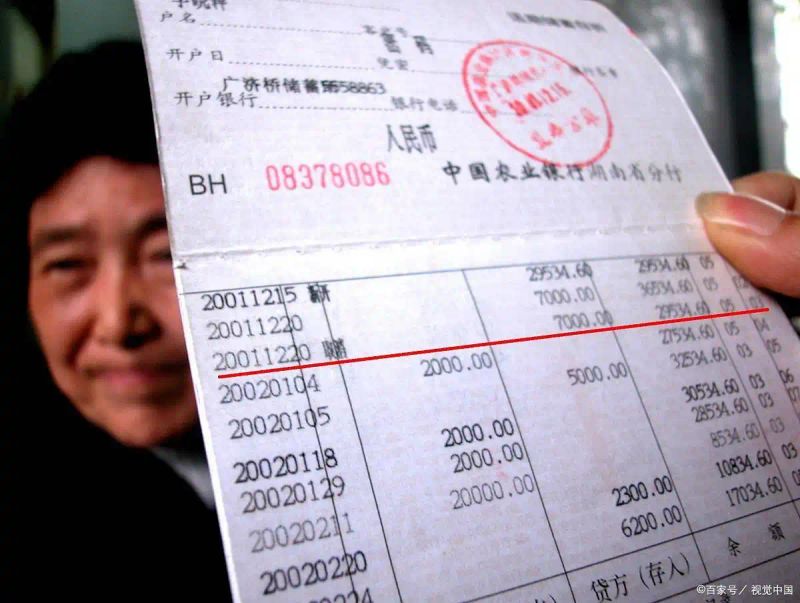
This fee is paid in fixed amounts, regardless of the amount of money you remit. It also varies from bank to bank。
Third, transit costs. If cross-border remittances require one or more transit routes, they are charged a corresponding fee。
There are several factors in the size of this cost: remittances and middle-line agreements, the size of remittances, etc. It may also be free of charge under agreements between remittance and transit banks。
Ii. How charges are deducted
Remittances are divided into in- and out-of-pocket charges. This means that charges are deducted from the principal of the transfer

Extrapolation means the non-use of the principal of the remittance and the alternative expenditure of the sender. Remittances usually have the option of withholding the principal from the original amount
There is also a way to pay in full. The advantage of choosing this option is that the amount of the remittance can reach the account designated by the recipient in full
All costs are borne by the senders themselves and are in the form of debits, which are paid by the senders separately。
The most common is tuition fees sent abroad for studies. School fees must be set at a specified amount and transfers must be reduced。
Therefore, when parents transfer school fees, they choose to pay the full amount, and they bear the cost of all remittance and transit banks themselves, ensuring that the funds are paid in full。

Iii. Notes
The transfer costs described above are only some of the costs that may arise from cross-border transfers, and may be due to different payment lines, different amounts of remittances
Even the policies of the same bank vary over time. It would therefore be preferable to consult the network of relevant banks or to confirm them by other means when sending remittances。
At the same time, it was suggested that banks with significant preferential margins be selected for cross-border remittances in order to save transaction costs。