



An imitation of a 250-cc four-barrel engine was born in the 1980s, the most zealous period in the motorbike, with major factories putting up with the latest technology and competing for the construction of a highly performing car. In this intense competition, an eight-year cbr250 rr, known as the honda 4-strike 250cc model, was produced as the culmination of a conglomeration。
Honda 4-honda 250cc 4-cbr series
The boom in motorcycles in the 1980s, with intense competition in the market, contributed to the evolution of vehicle-type leaps from 250 to 400 cc. Of these, the 250 cc range received particular attention, which was closely linked to the then japanese driver's licence system, since it was possible to ride the distance with a "medium driver's licence". In addition, the 250-cc-range vehicle type does not require regular vehicle inspections, which allow major factories to devote all their energy to research and development, with new cars almost every year, leading to a technical competition。
For the first time, the four-strike four-cylinder engine was applied at a 250-cc range, led by suzuki “gs250fw” in 1983. The vehicle, gs 250fw, was carrying a four-barrel engine with a water-cold dohc-ii airgate with a maximum horsepower of 36ps. Subsequently, in 1985, yamaha launched the "fz250 phazer", which carries a cold dohc four-barrel engine with maximum horse power up to 45ps/14500rpm, showing stronger performance。
In the second year of phazer's appearance, in 1986, honda introduced the mc14 type "cbr250four", also carrying a cold-water dohc 4-barrel engine with a maximum horsepower of 45 ps/14500rpm and a maximum twist of 2. 5 kgm/10500rpm, with output specifications almost equivalent to phazer, but honda further adopted the most advanced technologies at the time, such as cam gears. On the hull side, cbr250four used aluminium alloy diamond racks, compared to the steel frame of phazer, and carried 17 inches of radon, which was gradually becoming popular at the time, at a new sale price of j$ 549,000, 50,000 more than phazer。
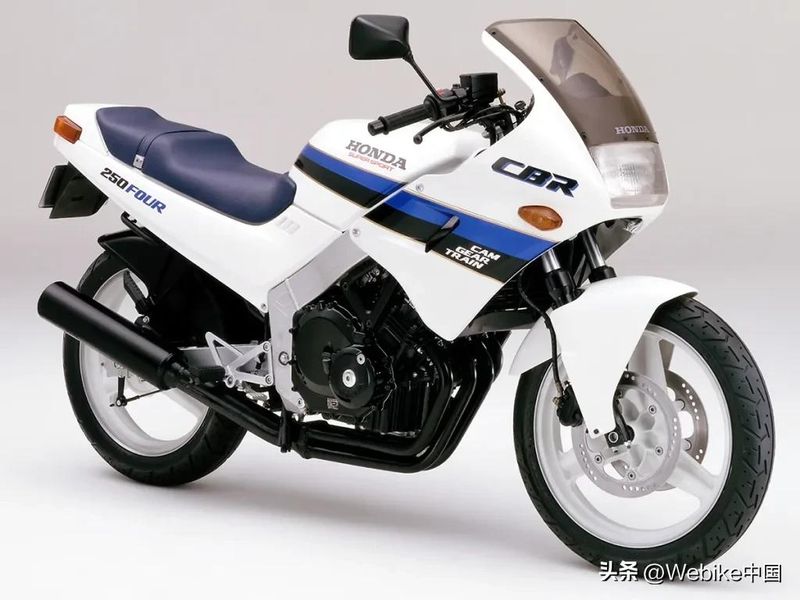
The original mc14 "cbr250four" carries the dohc 4-barrel engine with a cam gear system that produces the maximum horsepower of 45 ps and uses aluminium alloy racks。
In december 1986, yamaha launched the "fzr250" with a double headlight, a full-blown hood and a 17-inch rim, which further enhanced its motor performance. The following year, in 1987, honda published mc17 cbr250r, which continued at the timeThe design style of the nda cbr series is known as "hurricane". Although its frame and engine basic structure are the same as that of cbr 250four, the overall performance is made more combative by increasing the caliber of the oil, upgrading the high-capacity stainless steel exhaust system and changing the rear brakes to disk brakes。
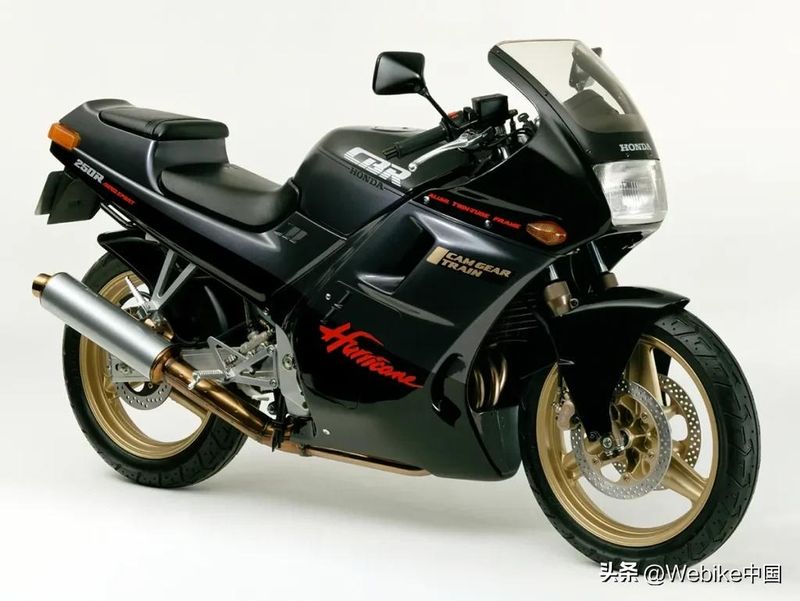
The cbr250r of mc17 is based on the mc14 and is equipped with a full air mechanic design shroud, which is entitled "hurricane"。
However, the cbr250r hurricane introduced a complete change in 1988 to the mc19 cbr250r. Its engine is still based on the mc14e model, but its appearance design has led to significant changes, with the same dual headlight design as the rival fzr250, and the overall body shape is more of a racing style. The section of the frame was changed to an aluminum alloy with a heterogeneity of an alien pentagon, and the brake system was reinforced by a larger pre-brake disk, along with an increase in the width of the later tyre and increased control stability。
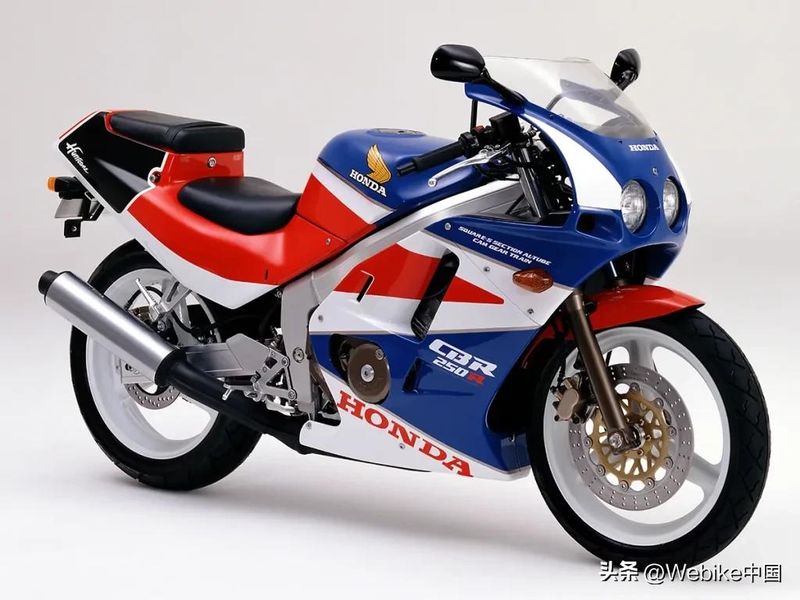
Mc19 cbr250r uses a new vehicle frame and follows the double headlights of the brother cbr400rr。
In 1989, the four-cylinder 250cc replicated a period of intense competition. Yamaha introduced fzr250r with aluminium alloy frames, suzuki with gsx-r250r, and kawasaki with zxr250, which is the culmination of the technology at this distance in each plant. In the face of this heavy fighting, honda made a general change to the mc19 and introduced the mc22 cbr250rr in 1990。
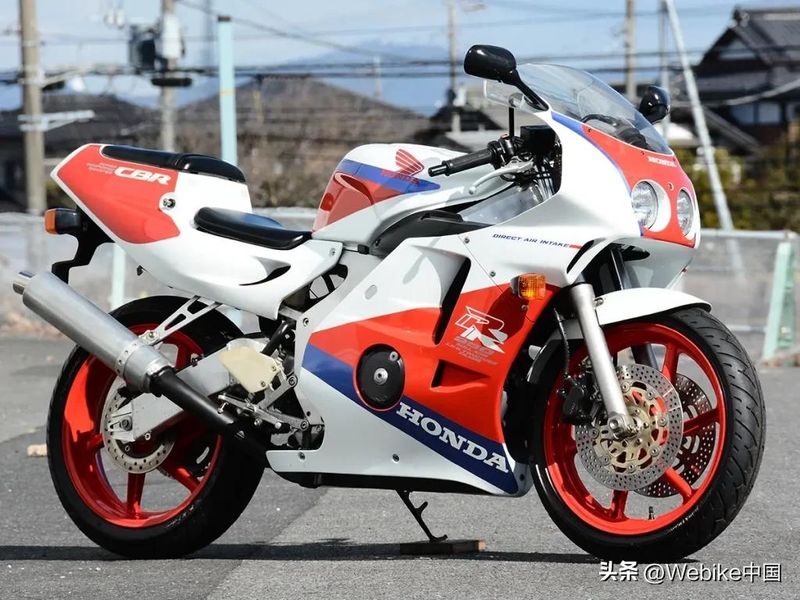
The mc22 cbr250rr introduced a new frame of more concentrated quality and upgraded the front brakes to two-disk brakes and evolved into a full-size racing model。
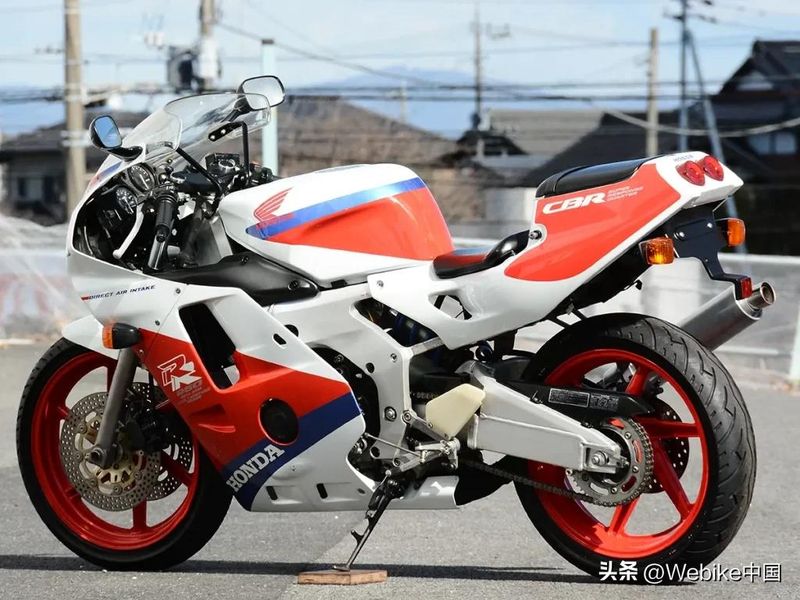
Aluminium alloy mounted with an aluminum alloy and a body with a full current mask can be said to have been built at no cost。
Mc22 cbr250rr carries the mc14 engine and the body is completely new
As the fourth generation of the mc14 engine model, the mc22 cbr250rr, with its "high ingenuity" as its core concept for development, pursues a high sense of integration between the driver and the vehicle. To achieve this goal, the various parts of the body have been fully redesigned。
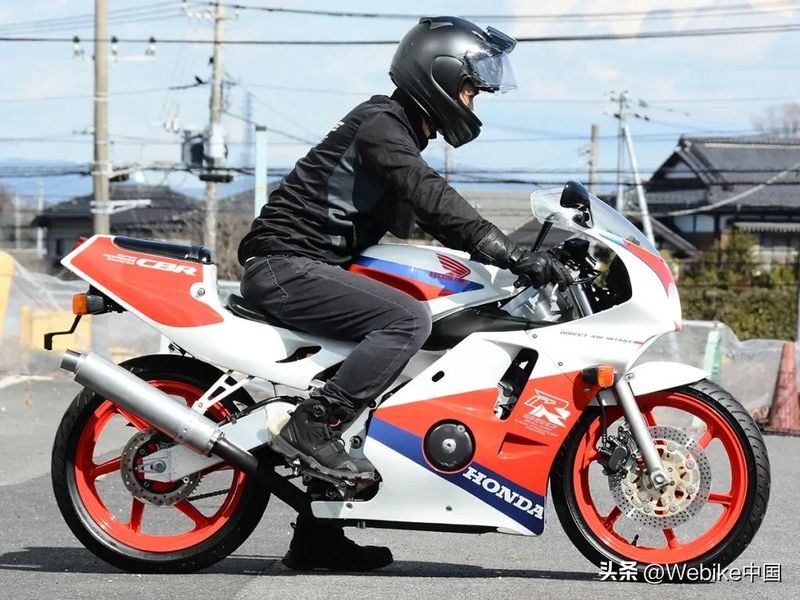
The car was compact and light, with hands in a position higher than that of a vehicle such as the nsr, and provided a more comfortable cycling position, although expensive as a racing car。
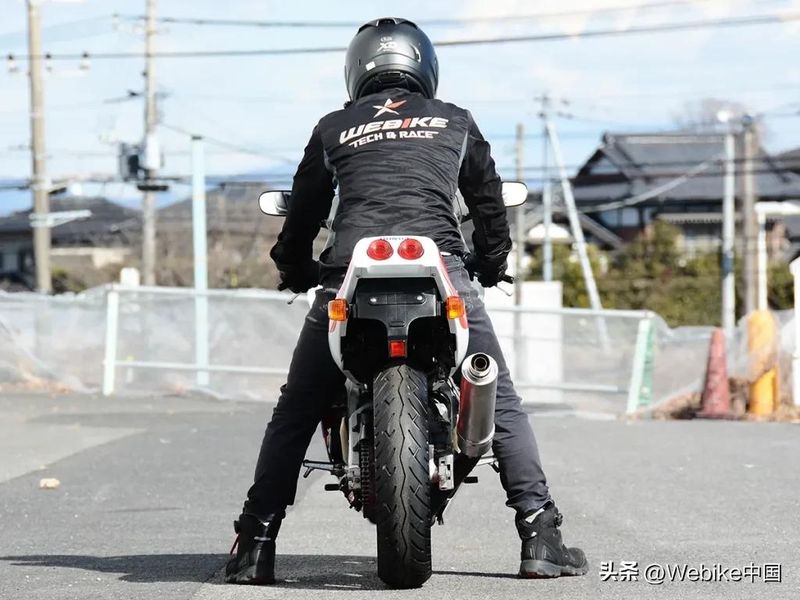
When knights of 171 cm height and weight of 65kg sat, their feet were completely flat, their body was light and controlled。
The mc22 design uses a two-vertener and the seat is designed in a single-seat style that presents a typical model of a racing car, but the evolution of its practicality cannot be ignored. The back seat, which can be opened through a chain, has a useful storage space of 5. 5 l, with an acceptable back seat pole, and can be used as a combination of goods, fully examining the convenience of daily use。
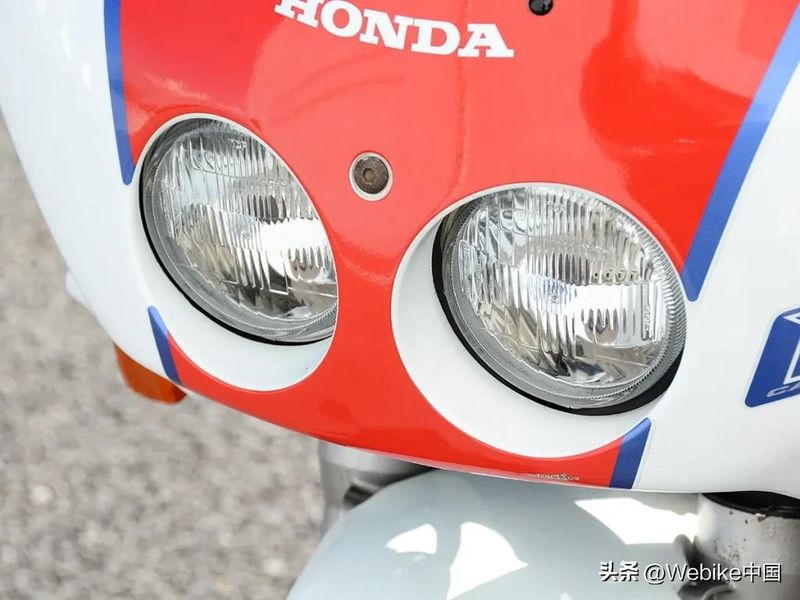
Double headlights with a durable racing style are designed to be fully motorized in front of the car。
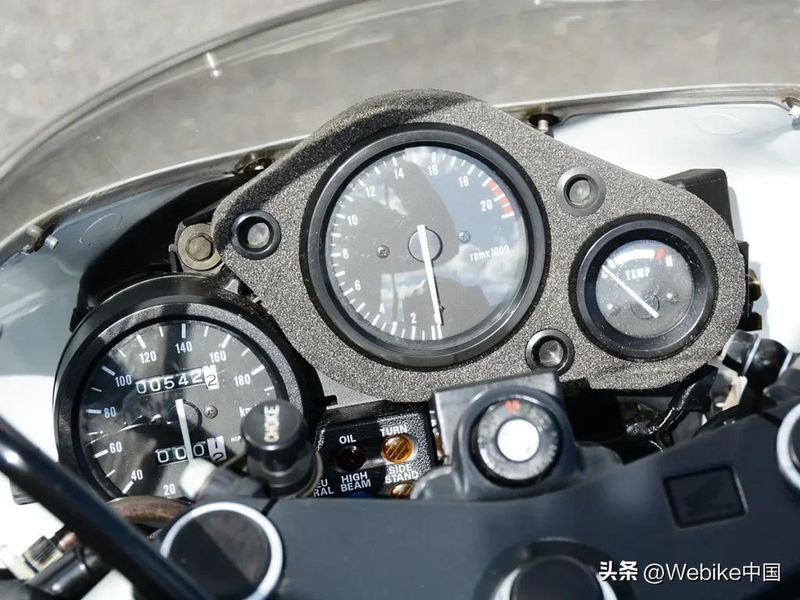
Using a three-round instrument, the central configuration speed sheet, with a maximum marking of 20,000 rpm, displays a race-off atmosphere with a sponge around the instrument。
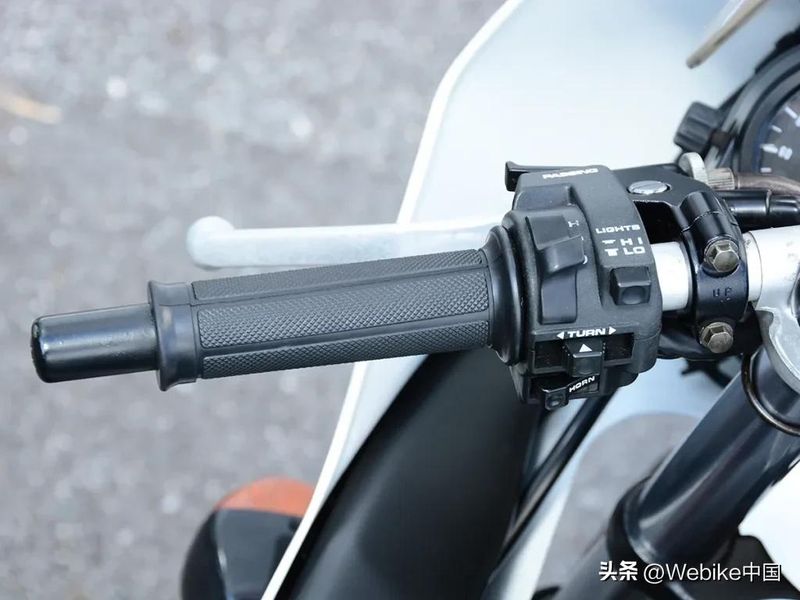
Switches are tightly integrated in the switch box on the left hand. The clutch is designed for the lasso type。
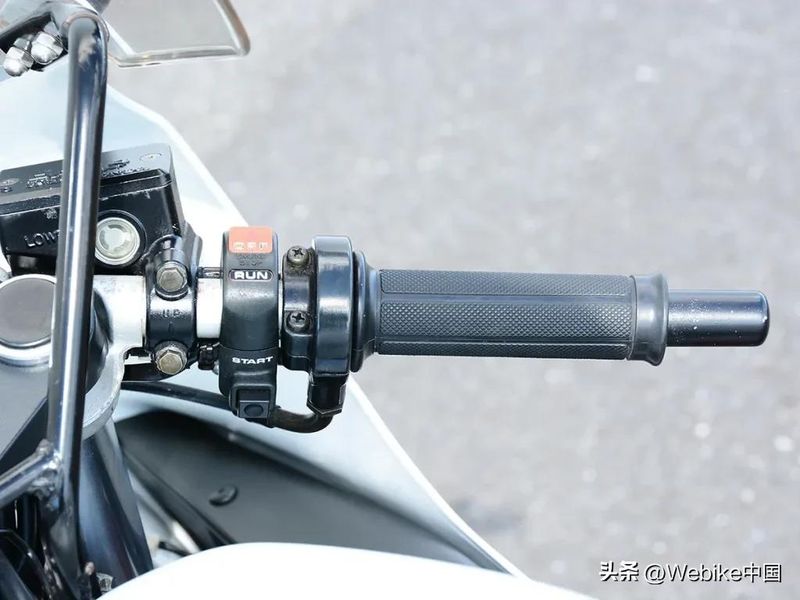
The right side is designed for split switch boxes and gas handlers to create a more car-like image。
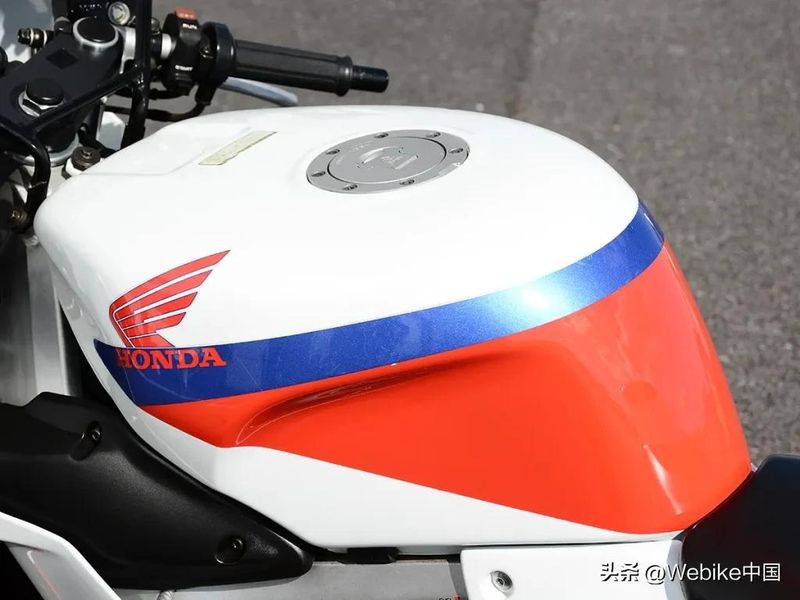
The tank knee holding area is designed to be cut and emptied in line with a simulator. The capacity is 13l and the demand is fully met。
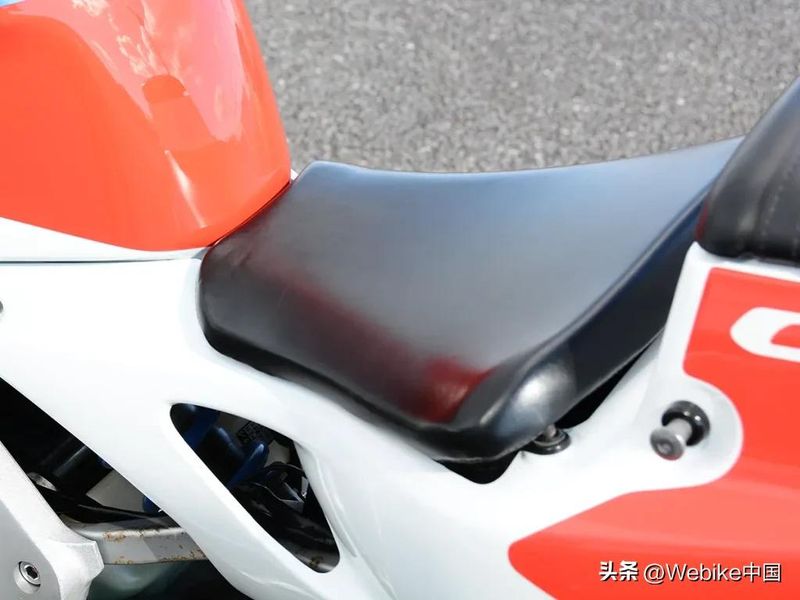
Seats are designed to be simple and compact, conform to the style of racing cars and have a significant high- and low-level difference between seats and the back seat。
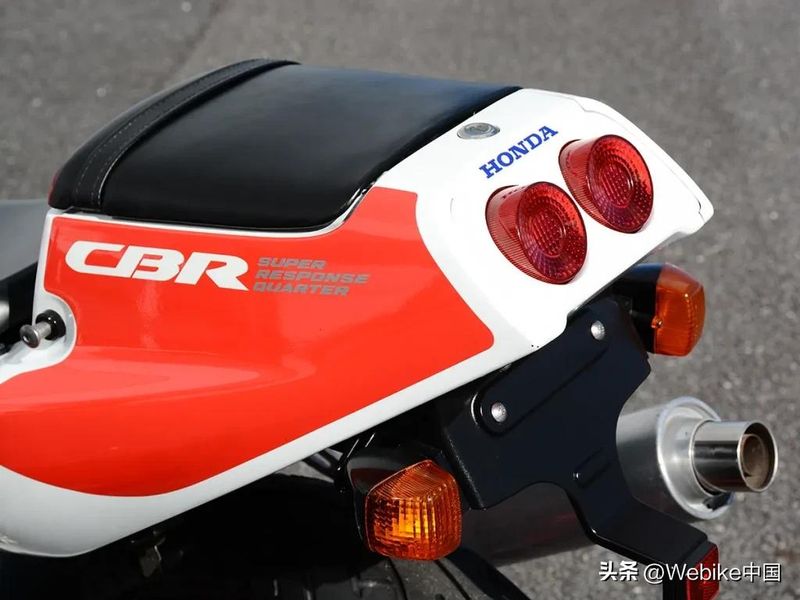
The back seat can be opened through a chain, with functional storage space below the seat. A round double-tail lamp is also a feature。
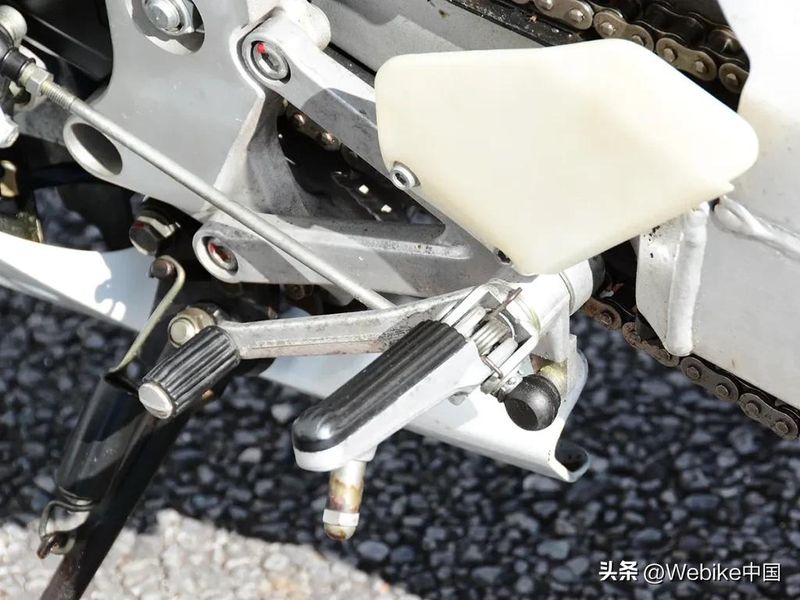
Aluminum is used mainly around pedals, but resins are used on heel panels to add to the racing atmosphere。
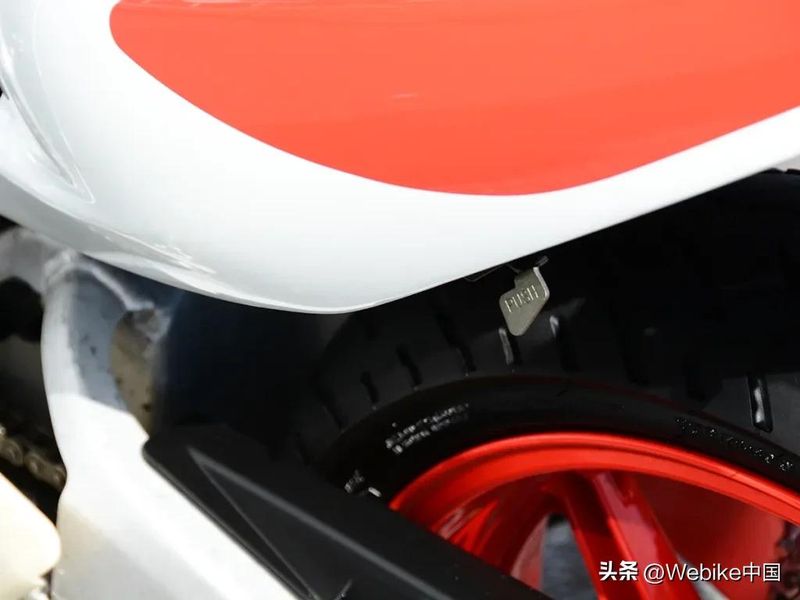
The seat of the hull is accompanied by a pole marked "push"。
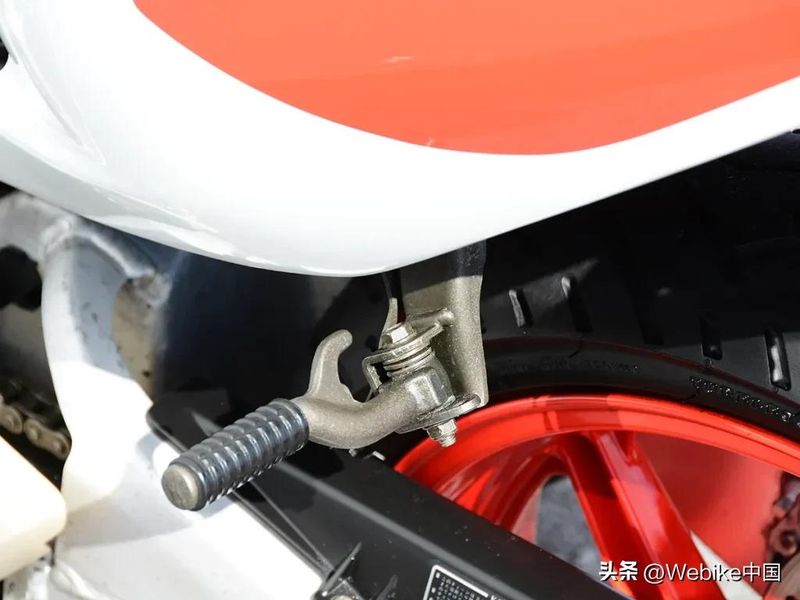
The operation of this puller allows the internal folding of a recoiled recoil to eject。
The engine is based on the mc14e type and achieves efficient filling efficiency by placing almost a straight line in the design from the air filter, the oiler, and the gas flow sequence to the combustion chamber, with the newly designed air portal port shape. The medium- and low-speed response was improved by reinforcing the rigidity of the poles and curved axes. It also promotes fresh air imports required for combustion, using direct gas intake from previous currents, thus increasing the efficiency of combustion. The original maximum horsepower of the engine was 45ps/15000rpm and the maximum twist 2. 5 kgm/12000rpm, but after a change in 1994 the maximum horsepower was adjusted to 40 ps/14500rpm and the maximum twist was 2. 4 kgm/11500rpm. The mc14e engine was also used in street vehicles jade and hornet, which were produced until 2007。
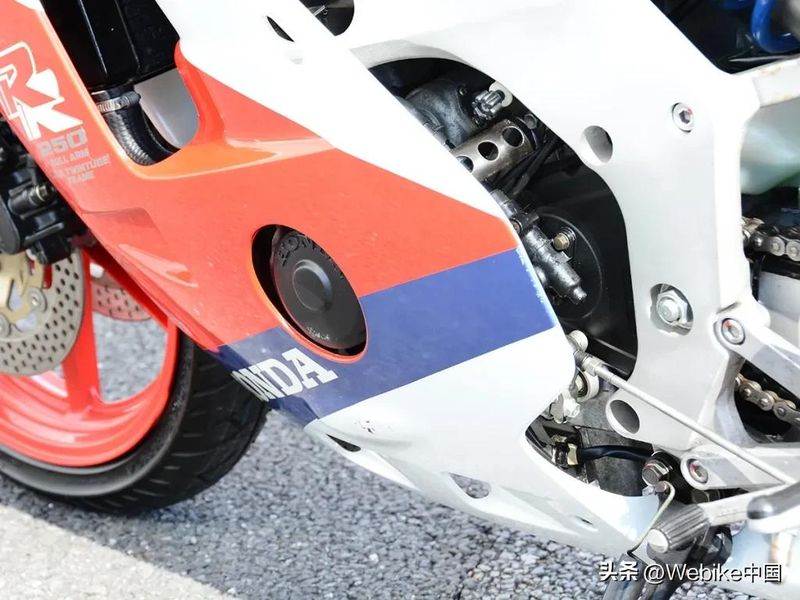
The engine, which is located under the hood, is taken from the original mc14e type and has been refined several times. Its maximum horsepower is 45ps/15000rpm。
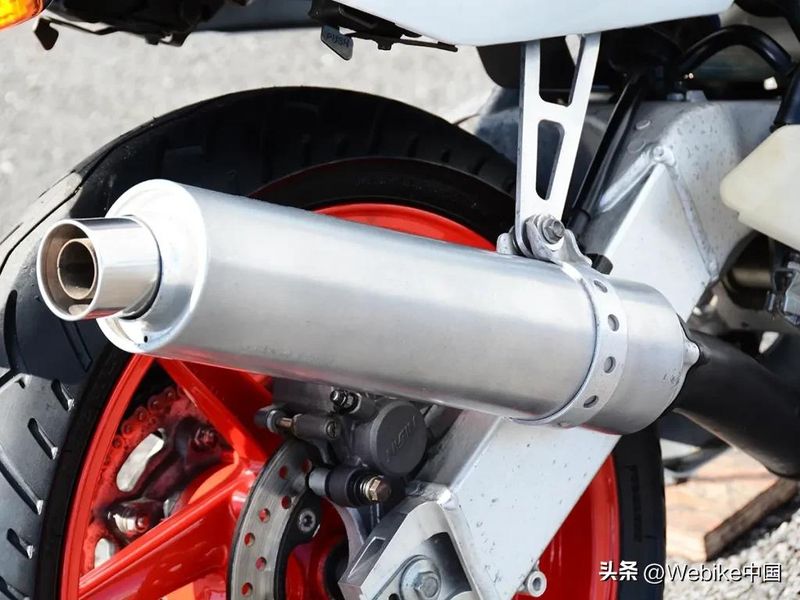
The exhaust system is designed in a competitive style with an independent silencer, capable of producing high venting waves。
For the frame, lcg (low center of gravity) has been used for low-heavy aluminium alloy double-barreling and has carefully designed a strong aluminium alloy rear arm to make the distribution of the vents more efficient. At the same time, six light-quantified aluminum alloyers were selected to reduce the downward weight of the spring, with a combination of pre-17/70-17 and post-140/60-17 wide-banded irradiated tyres. In addition, the two-disk brake system was used for the front wheel, which effectively enhanced the brake power。
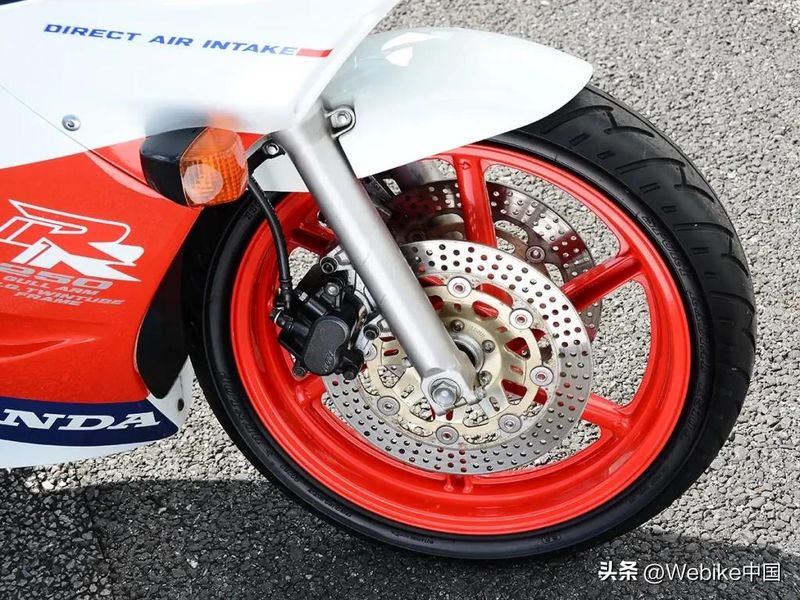
The fork is of high intensity and is equipped with six light-weight aluminium alloy casters。
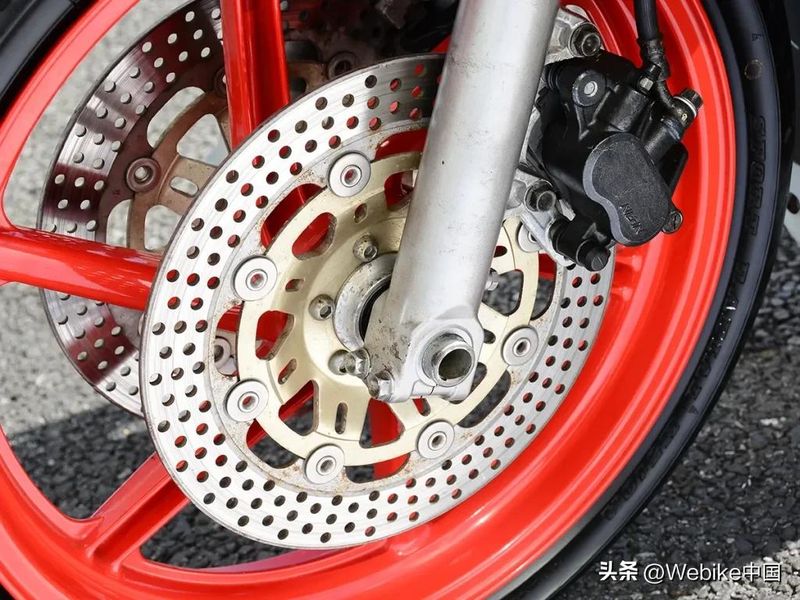
The brake system is a two-disk system with excellent control and brake strength。
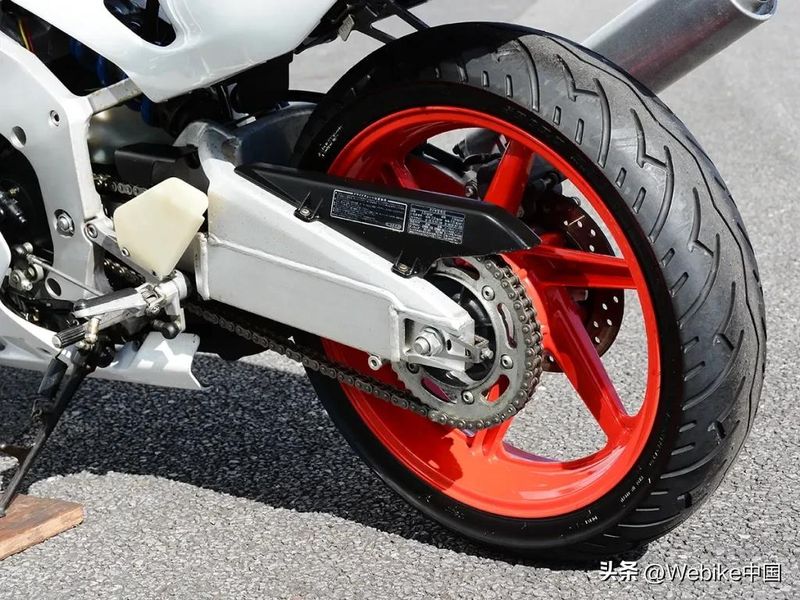
A light-quantitative and rigid aluminium structure with a large bending of the right side to form a gull-like shaking arm increases the freedom of the exhaust system。
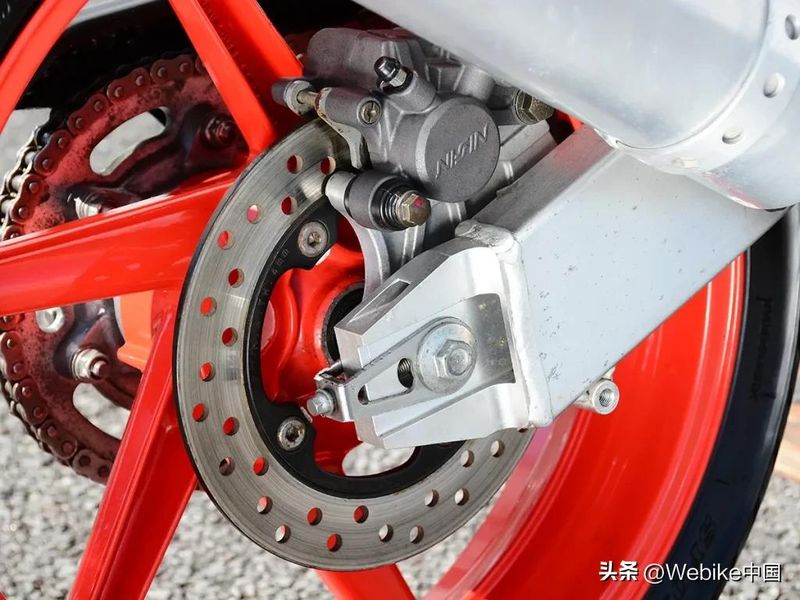
The rear brakes are designed for single-pistols. The rear wheel, like the front wheel, uses six aluminium alloy casters。
The mc14 type is fully re-programmed annually, while the mc22 type is only slightly modified and produced until 2000. Despite the fact that street traffic has made the development of racing cars less active than in the past, there is still some demand in the market. After almost 10 years of production, the mc22 cbr250rr became the historic model for the build-up of the honda 4-strike technology. After the mc22 stopover, the name "cbr" disappeared at a distance of 250 cc, but in 2011 the mc41 cbr250r re-emerged with a single-cylinder engine and introduced mc51 cbr250 rr with a double-cylinder engine in 2017, again leading the 250 cc range market。
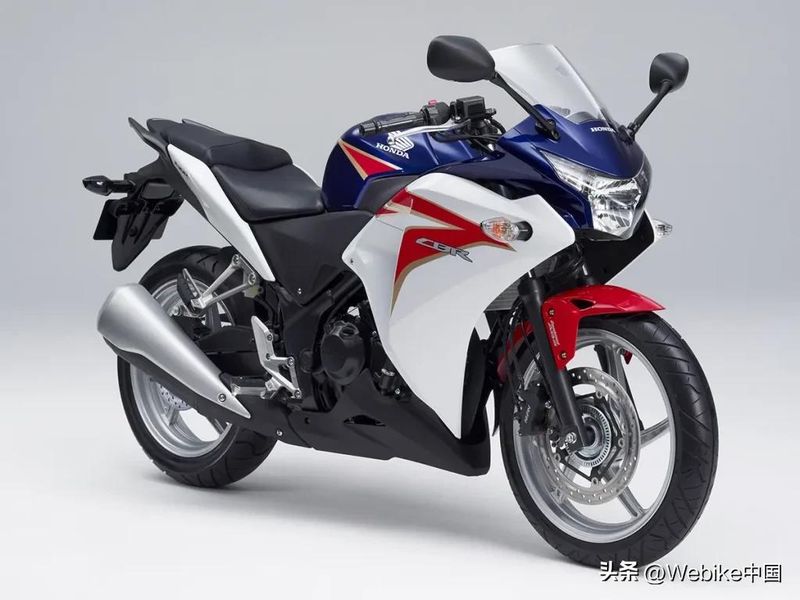
Mc41 cbr250r, which was reinstated in 2011, carries a single-cylinder engine with a steel frame。
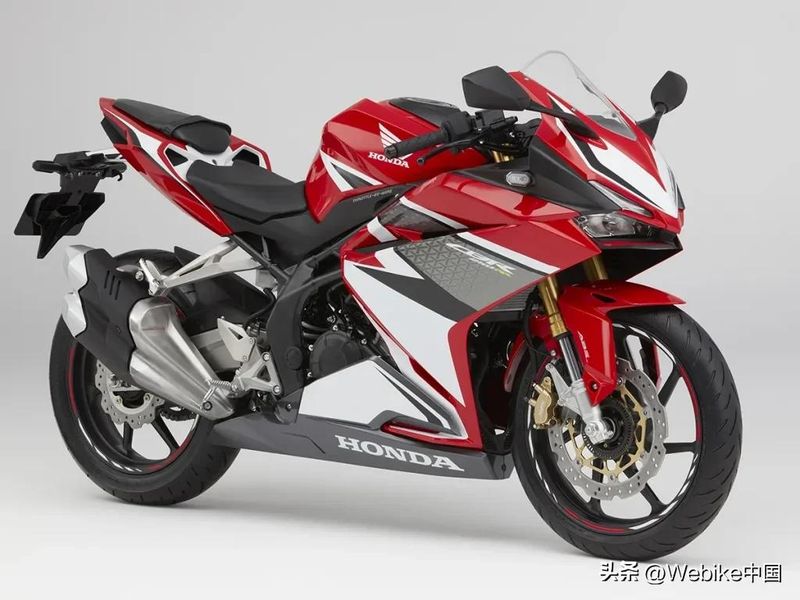
The mc51 cbr250rr, launched in 2017, carries a 38ps parallel double-barrel engine, which is more dynamic。
1990 cbr250rr main specifications:
*all length x all width x all height: 1975 x 675 x 1080 mm
Axis: 1345mm
- seat height: 725 mm
Car weight: 157kg
Engine: cold water four-string dohc four-barrel 249cc
· max: 45ps/15000rpm
・maximum twitch: 2. 5 kgm/12000rpm
.. Voicebox: back-to-back 6
• tank capacity: 13l
* brake: front = disc, back = disc
• tyre: ex = 110/70-17, post = 140/60-17
· price: 599,000 yen (at current prices)









