


A brief introduction to the concept of music teaching methods
The educational system has been improving as a result of the development of the times, and many efforts have been made by musicians. In order to comply with the requirements of the reform of teaching, new high school music curriculum standards have been introduced and the role of music appreciation classes in high school music education has become increasingly important. An analysis of the current situation in high school music appreciation classes and an examination of the shortcomings in high school music appreciation teaching, with a view to proposing a number of programmes to promote better development of high school music appreciation teaching in the context of teaching practice
In the high school music appreciation teaching, the focus of which is on learning about traditional music, understanding its sources and analyzing its artistic feelings, and teaching about it, is an effective improvement in students ' musical understanding and appreciation. So how can high school music appreciation be better developed?
I. Transfer of music arters to studies
Music appreciation is not enough on the basis of the interest of the students themselves. It is necessary to guide them to a deep understanding of the content of the work of music, and the feelings inherent in the work of music can be felt in a tangible way so that the goals of appreciation can be achieved. The standards and methods of appreciation of different musical styles must be accurately understood。
When we appreciate songs, we can achieve the goals of appreciation by intuitive understanding of their content through lyrics. This has a higher demand for students ' literary and cultural literacy when the lyrics are more profound or obscure. It is important not only to have a certain quality of music, but also to have a clear understanding of the relevant aspects of the work, such as the context of the times, the aims of the creation, national customs, the style of the composer and so on, so that the content of the work can be understood in depth。
In recent times, light music music is characterized by a single image, so that we can have a simple understanding of the title, imagine it and make it feel the content and emotions. For example, the piano solo, "the shepherd's flute", is played by hor greentine, a title that allows us to understand its content simply. The understanding of large instrument music should begin with an understanding of the age background of the work, the author's status, and music without title. The appreciation of musical works without titles is one side of the contemporary context. In addition, there is a need for in-depth understanding and appreciation of the work in conjunction with the musical narratives. For example, the violin concert, leung sang-bor and zhou young tai, which was adapted to chinese folklore's sad love story, has developed a unique admiralism of the chinese people through the use of folk music, taking into account the sequence of events, and summarizing the work. In retrospect, students are guided to follow the sequence: “by the grass bridge — three years with the window — reading together — the kiosk — separately — forced marriage — encounters on the stage — resistance to marriage — entering the grave — and turning into butterflies”, in which the content of music is understood。
Ii. Exploiting the arts of music education
High school music appreciation classes are more complex and involve different musical works from time to time. Due to intellectual limitations, students cannot be interested in both content and content. They usually combine their interests and preferences with different learning attitudes to different musicals. A more positive attitude is shown in the face of an appreciation of the music of interest to itself; vice versa, irritating. Thus, in teaching, the teacher may first introduce a guide and effectively stimulate the student's interest in learning. The guide here is the language in which teachers import new subjects, the first procedure to start teaching. For example, when teaching folk songs, teachers hear students talking about how they feel about folk songs before school, feeling boring, boring and not interested in this part. In this way, teachers must make full use of the pre-school guide, starting with the collection of relevant information and the design of teaching methods. In the course of the course, the teacher can begin with two lines of music: the song of mount limon, the moon of the fifteen, which allows students to try to taste and explore the differences between them, after which the teacher explained that the moon of the fifteen was developed mainly on the basis of the basic development of the song of the shandong people, and evolved to make the teaching more effective。
Iii. Methodology of implementing a comprehensive experience
The way music is appreciated is done mostly by hearing. However, the involvement of other senses is also more effective. Thus, the author explores an integrated approach to experience, which is implemented mainly by integrating students with multiple senses into music learning and understanding music during participation. A holistic approach to experience can generally be understood in the following ways: first, through classroom teaching. The rhythm of music can be simulated by high-fives, foot bumps, light-hit desks, etc. The second is through musical performances. For example, students are guided to listen carefully to musical works of different ethnicities and styles, and music is presented in another form, such as dance, taking into account their own level of perception. In the course of teaching " minority music " , teachers can direct students to study the dance movements of different ethnic groups in conjunction with the music of different ethnic groups, so that students can have a good sense of their musical characteristics. The third is research-based learning experience. For example, for students in the first grade, we can arrange research on the theme of local folk songs. The students are divided into study groups, surveys of the history of the production and development of local folk songs, and exchanges based on effective collection of music material。
Iv. Possible methodology
The music we speak about is listened to carefully, so that the rhythms and rhythms of the music can be transmitted to people, so that they can hear the changes in the composer's heart through songs and feel the essence of the music they create. Comparative appreciation is the most common method used in lessons of appreciation, which are based on the principle that students listen to, understand and understand music through the teacher's lectures in the classroom. There is a big difference between playing and playing, which allows students to get the beauty of music. A comparison is made between the parts of a musical. In one piece, the different bands give different emotions. Emotion is inspired by the shock of the composer's heart. In particular, music highlights the accent and use of the rhythm of composers ' emotions, through which viewers can experience real emotional change. For example, in the appreciation teaching of the song " prayer for girls " , teachers can introduce multimedia devices to enable students to experience the sound of music when it is played. Teachers can guide students to focus on the rhythm and rhythm of music, as well as the accent part of music, so that they can actually feel the rhythm and strength of music. Teachers can use a talking method to organize discussions among students, to guide them to discover the changes in them, to say what they feel, and to compare the perceptions and images of the various components. There is also a comparison of the different forms of performance of the same musical。
In the light of the above, the introduction of music appreciation classes in high schools is significant and requires music teachers to introduce continuous innovations in teaching methods and teaching ideas。
I'm talking about the concept of the method of teaching music
Under the new curriculum reform, it is emphasized that the teaching process is an interactive process developed jointly by teachers and students. It focuses not only on imparting knowledge and developing abilities, fostering the independence, creativity and autonomy of students, but also on giving students a full experience of the beauty of music and its rich emotional and musical expressions. In this new era, the fatigue of students in music recognition classes has become a major challenge for teachers. This paper develops students ' interest in music recognition courses from the perspective of implementing new curricular changes。
Introduction
Our traditional music quality curriculum, mainly in the form of ducking, is still intrinsically separate. The main manifestation is the passive learning of students and the mechanical teaching of classroom models by teachers, which leads to the fatigue of students in the teaching of music. In addition to improving the professional literacy of teachers, it is of the utmost importance to develop students ' interest in music appreciation classes。
Ii. Good music lessons and interest are key to success
"music is the melody of everything." music is life, life is music, and for our students, music is an art that they love, fear, know and don't know. Music classroom teaching, which should no longer be dull, monotonous and fixed, should become active and liberal in a single model taught by teachers. Let the students feel the music and love it!
(i) motivation with “interest”
In the teaching of music, teachers first need to understand the objectives of the curriculum for the various sections of the curriculum. Second, appreciation of teaching follows a pattern of appreciation, and again, according to age characteristics, selection of works should be appropriately expanded. Finally, it stimulates motivations with “joke” and “beautiful”。
To stimulate interest through games, which are often easy and pleasant, is not opposed to seriousness. In the teaching of songs, students are given an appropriate situational situation and have good results。
1. Creating situations in the form of games
"music is the soul of dance." music is inextricably linked to performance, and in order to give full expression to the content of the song, good results can be achieved through a visible performance。
Teaching example: when we take the dance " white hair " class, we can tell the stories of white hair before creating the scene. Four image roles: heil, yang bailai, huang shi-jin, and mu jin-ji, each played by students, not only through the tragic experiences of yang bai lo and his sons and daughters, but also through the acute contradictions between landowners and farmers, the 8th road army and the new society!
2. Teaching in the form of games
The spirit of the game has not only its outer form, but also its intrinsic spiritual character. I have introduced the spirit of play in teaching practice, inspired students and autonomously increased knowledge while enhancing their interest in learning。
3. Interactive teaching in the form of games
In the game, the gamers are fully committed to the game, open to each other and open to each other, thus continuing integration and communication. Through the overall interaction between teachers and students in the music teaching process, a change in the traditional “i want to learn” is a “i want to learn” for students to be proactive and participatory, thus giving true expression to their dominant position. In the teaching of “interactive” teaching methods, teachers are integrated into the pupils' studies, and teachers are the main subjects, so as to achieve optimal integration of teaching and learning。
(ii) motivation through “physical dynamics”
Music is the soul of a physical motion, and any training of a physical motion is accompanied by music, but it cannot simply be understood as an imitation of music, nor can it be understood as an accompaniment of action. In the process of physical motion, it should always be remembered that music is the ultimate purpose to be represented by physical motion. All body activity is just a medium, a platform for understanding and expression of music through their own bodies. In the context of physical activities, students are trained in the habits and abilities of listening to music, and students are actively involved and fully involved in music activities and express their understanding of music and its re-creation through body-activation and improvisation。
The world's most famous music education system places virtuosoism in considerable importance, such as the dalcrothal, orph's basic body action teaching, voice teaching, etc. Modular pedagogy has been widely applied in the country's music education practice, often combining it with creative teaching to develop students ' creativity and performance。
(iii) active continuation of interest in “out-of-school music activities”
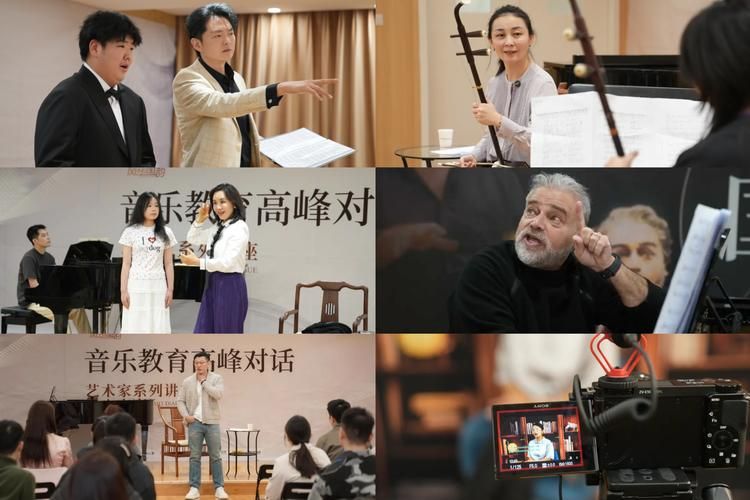
Extra-curricular music activities are all types of music education activities outside the classroom, and students are given purposeful, organized, planned and special extracurricular activities. It improves the quality of the music of the students, develops their sense of music and their ability to express it, meets their need to learn music, and develops their personality and talents. The aesthetics of the pottery students provide a dynamic and effective moral education and foster collectiveism. (b) to enrich the after-school cultural life of students, to stimulate the school atmosphere and to promote the development of their physical and mental health. (c) increasing the knowledge of music, broadening the view of music, building on practical experience and consolidating the knowledge and skills acquired in classroom music teaching。
Concluding remarks
In line with the concept of the new curriculum, teachers must use effective resources to create a good classroom situation, with emphasis on highlighting the aestheticism of music, stimulating the musical performance, practical abilities and musical creativity of the students, stimulating the interests, reaching out to the students as a whole, developing their imagination, creativity, fostering the participation, cooperation and ability of the students, focusing on their own learning, creating an equal and interactive teacher-student relationship, enabling the students to experience music, explore music, express music in a lively, interesting, relaxed and harmonious learning environment, and to “enjoy” motivations, enjoyment with “pretty”, and actively acquire knowledge in an atmosphere where they are happy and active。
I'm talking about the concept of the method of teaching music
Music is the art that most directly expresses people's emotions and increases their richness, so in music appreciation teaching, teachers focus on students' emotional experience of music, emphasizing cultural implications and weakening technological implications. Through appropriate guidance, the students ' primary role is fully realized, the students'sense of participation is mobilized, the space for thinking is broadened, emotional experience is deepened, the students ' ability to feel, imagine, understand and appreciate music is developed, and the correct aesthetic and life vision is developed. The lack of musical beauty and emotional experience in music appreciation of traditional teaching models requires teachers to constantly explore, re-execut, explore and explore new teaching models in the course of teaching practice, with a view to constantly increasing the level of appreciation. Here are a few of my thoughts in appreciation of the teaching。
I. Use of inspirational teaching to stimulate interest in learning music and the enthusiasm for music
Interest is the best teacher, the driving force of learning. In order to stimulate the interest and desire that students appreciate, it is first necessary to create an atmosphere of appreciation and imagination in the classroom, such as drawings and drawings, linguistic depictions, musical renderings, etc., which will provide students with a space for full association, imagination and reflection and, through the guidance of teachers, will lead students into situations that correspond to the style and content of their musical work, so that their hearing and vision will be mobilized, and they will soon enter the role and pave the way for greater appreciation of their emotions and interests. For example, teachers can use literature, history stories and the like to get students interested in learning and to stimulate positive thinking. In view of the ancient song "the waters," i used it as background music to show a series of relevant pictures on the screen, while drawing the sound of the song's origins, namely, the "clock period and zubutu". And then i found that the students were listening with great attention, and it was clear from their eyes and faces that they were interested, that their desire for knowledge had been aroused, and that they could not wait to see it further。
Ii. Introduction of visualism to reduce the distance between students and music
The teachings of the gambas are not suitable for music appreciation, in which the theoretical teaching is combined with demonstration performances, so that students feel music more intuitively and in a real sense. For example, in the course “piano music advocating”, when i lecture on the pronunciation and internal construction of the piano, i put students in the front line to observe the piano, while i play music or pop music music that students like, know and hear, so that they can talk first after they have visual concepts; in view of the popular song " embroidery pack " , and in order for students to learn about the different styles of folk songs in different parts of the world, i have achieved good pedagogical results by showing the " embroidery pack " in yunnan and shanxi。
A brief introduction to the concept of music teaching methods
At first sight, a busy half-year has passed. The six-month cycle of teaching has been marked by achievements and shortcomings. This semester i was teaching music and dance classes in the second and fifth grades. This term is summarized。
I. Achievements in classroom teaching
In music teaching, i have focused on the individual development of students as a fundamental educational goal. Returning studies to students. First grade classes should be colorful. In the classroom, i have developed a small stage, taking into account the characteristics of lower-grade students, to teach you a little bit about it. Let students show their talent. They are given full performance. In this semester. I have organized home-made instruments for students to use old bottles of rice and all kinds of food to make all kinds of music. This instrument was very effective in class. In the higher grades of education, there are some of the most popular internet songs available today, depending on the student situation. This method is more lively in my music class than ever before, with a high level of enthusiasm and learning atmosphere。
2. The teaching aspect of dance. In the dance class. First of all, i train students in basic dances, exercise in the ground, body activities in various parts, basic steps in latin. Then i taught students the style of folk dance. The basic steps of latin dance are taught with passion. It's not like i'm going to have to go to school. It can be said that dance training enables students to improve their health and morale. Improve coordination of actions. There's been a lot of improvement. Through a semester of study, we have begun rehearsing two programmes, and at the end of the final semester i have done a great deal of mobilization to ensure that no student is lost next semester。
Shortcomings
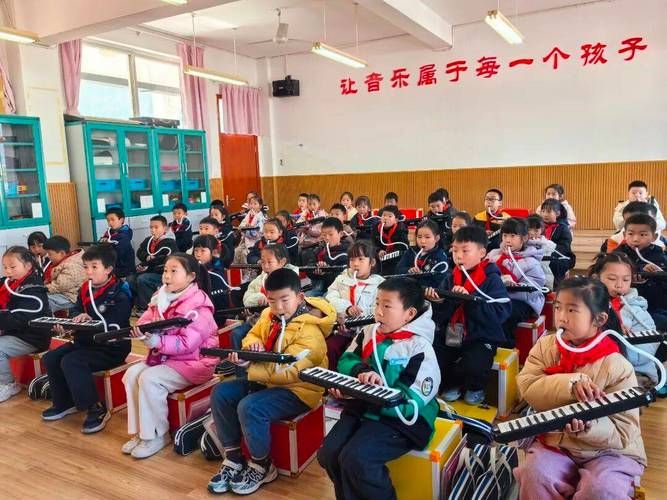
In the course of this semester, i consider the teaching to be insufficiently sophisticated and focused on the development of interest. There is, however, a lack of teaching of the music of students. The relationship between music-related disciplines is not well managed. Students do not have enough emotional mobilization to sing. Creative activities have also been ineffective. Students are poorly evaluated. The music experience of the students as a whole is appreciated, demonstrated and less productive. The cultural literacy of students should be strengthened. In dance teaching. Parents are not sufficiently aware of dance. Students are not sufficiently motivated to participate in dance training. The majority of students have poor basic jobs. No solid basic work. It's very difficult to rehearse finished programming。
A brief introduction to the concept of music teaching methods
Summary of contents: music is the art of hearing, and all practices of musical art must depend on hearing. This characteristic of the music arts determines that the teaching of music must be based on listening, with the development of students ' musical hearing and their ability to feel good about music as the primary task of music teaching as the basis for further learning about other aspects of music. Therefore, the music curriculum must firmly base all teaching activities on listening, since listening is the beginning and foundation of all musical practical activities, and hearing perception is a prerequisite for learning music。
Keywords: to stimulate interest, develop habits, develop hearing
I've heard a music lesson, summer pond. In this music class, teachers use multimedia teaching tools and inspiring language to make the learning atmosphere in the classroom lively, as well as a variety of musical events, such as appreciation, singing, games, performances, etc., in which children are busy and happy. But when teachers sing by name, we find that a lot of children sing without being able to remember the lyrics or the rhythm of the songs. Why is that?
“feeling and appreciation are important areas of music learning, the foundation of the whole musical activity, and an effective way of developing the aesthetic skills of students. The development of a good musical sense and appreciation is important for enriching emotions, improving cultural literacy and improving physical and mental health. The teaching shall stimulate the interest of students in listening to music, develop a good habit of listening to music and develop experience in its appreciation.” the words " standards for music courses " have given me answers -- that is the nature of music. Music is the art of hearing, and all the practices of music must depend on hearing. This characteristic of the music arts determines that the teaching of music must be based on listening, with the development of students ' musical hearing and their ability to feel good about music as the primary task of music teaching as the basis for further learning about other aspects of music. Therefore, the music curriculum must firmly base all teaching activities on listening, since listening is the beginning and foundation of all musical practical activities, and hearing perception is a prerequisite for learning music。
“if you want to understand music better than listening to music, there is no substitute for listening to music.” it is therefore only by closely focusing on the sound and teaching of music that it will be possible to conform to the rules of music and art, and only by developing a good listening habits for students will it be possible to multiply the impact of music teaching. How, then, can students develop good listening habits and abilities?
First of all, we want to stimulate the interest of students in listening to music。
(1) in classroom teaching, effective language incentives are an important factor in motivating students to learn, as well as important ways and means of preparing students to listen to their habits. Too often, a word of praise and a smile can yield tangible educational results. The students who are able to listen carefully to music and hum are hailed as "the musical elves with amazing ears". And those who are able to listen to others and imitate them, say, "you have learned others' virtues. Your hearing is not simple!" and so on, and it is the habit of students to listen to them when they insist on the proper evaluation。
(2) in practical terms, and in accordance with the psychological demands of the students to listen to music, we can choose the musical works that are relevant to the content of the teaching and which the students are happy to accept, so that they listen carefully and compare them, from passive to active listening, and thus enjoy listening. For example, the design of the country road teaching activities. It's a school folk song whose melody jumps and gets so excited. In order to enable students to feel the features of the school folk song, i have not only led them to sing " country roads " , but also selected songs that students are very familiar with, such as " childhood, scavengers " , which lead them to listen carefully, analyse and compare, identify the similarities in these works, stimulate their emotions and, in emotional experiences, give them a real sense of the style of the home-grown music work and its presentation。
(3) appropriate role transformation can also stimulate interest in listening to music. For example, in the classroom, students are allowed to act as a small teacher, who are very active and free to speak after listening carefully to others。
(4) in the classroom, our teachers can also use modern teaching tools such as multimedia to create a music landscape that brings children into the music landscape, with fine tastes, and stimulates interest. Multimedia teaching can satisfy the full range of students'sensory organs, give them tremendous traction, achieve high standards of audio-visual synchronization and guide students to listen silently to the beauty of music. For example, in the teaching of the moon of clouds, i used multimedia to broadcast animated lessons, starting with visual and hearing perceptions, listening to music in the scenes, and watching the images in the music, based on the peaceful and peaceful senses of the night as shown by the songs, and on the images of the clouds and the moon chasing back and down. This beautiful scene and atmosphere, deeply moving students, not only fully mobilizes their attention, stimulates their musical learning interest and enables them to listen to music in silence, but also inspires them to express the emotional feelings and feelings of songs with soft, beautiful songs。
Secondly, we must actively lead students to listen. Music classes are music carriers, where music knowledge skills are taught and music is experienced. When students realize the importance of listening, we should also teach them how to listen and build their capacity to listen to music. Students can only listen if they know how to listen to music more seriously. Thus, before listening to music, teachers ask simple and enlightening questions that lead students to listen with purpose, interest and thought, to listen to music's beats, to feel the mood for music, to feel the effects of sound, to understand the rhythm, etc. Students are given a step-by-step approach from an early age, allowing them to listen to the problems, solve them and spark their minds. For example, in the course of the "smiling bulca" appreciation teaching, i asked before the students first listened to music: "give a name to the work and tell us why." with this problem in mind, students are very careful and excited about listening to music, and some even dance with music. At the end of the music, the students were very active, with their hands high, and the names given to the work were rich, “happy day”, “funt dance”, “happy space travel”, etc., all of which were filled with joy and joy. When asked why the students named it, all the children answered almost the same because they felt the speed of the music, the rhythm and the melody。
Finally, our teachers must be constant and persistent. In addition to the conscious reminder and training of students to develop a learning habit of listening, in the course of a normal course of instruction, we must train students to listen to each of the courses, so that they can truly listen. As long as we persevere and remain confident that our students will develop good listening habits and abilities. For example, in some deviating performances, teachers tend to divide their movements without listening to music, while students do so mechanically following their passwords and do not use their body moves to express their feelings. So before the show, our teachers should also direct students to listen carefully to the rhythm, speed, emotions and expressions of music, so that they can act better。
The development of a good sense of hearing is important not only for music appreciation but also as a prerequisite for learning the skills of musical performance. Singing, playing, and so on are the leading roles of the hearing, so on, so on, so on, so on and so forth, so on, so on and so forth, so on and so forth, so on and so forth. When we help students develop the habit and ability to listen to music, you find it surprising that, because they listen, with their imaginary wings flying freely, they are able to measure musical works and express them; because they listen, their imagination and creativity have increased; because they listen, they sing songs, their voices are moving; because listening makes the hard points of songs very easy, and students are no longer mechanical as parrots。
Let us begin with listening. Let the students have a sense of beauty in listening, understand beauty, appreciate beauty, create beauty, and embody an educational philosophy centred on aesthetics. To improve students' aesthetic skills from a shallow perspective. For students, “lifetime love, learning and enjoying music”









