


The offshore oil rig, which was not built on the foundations of the seabed, is more like a ship, floating in the ocean. The waves are so big, why can't they stay stable
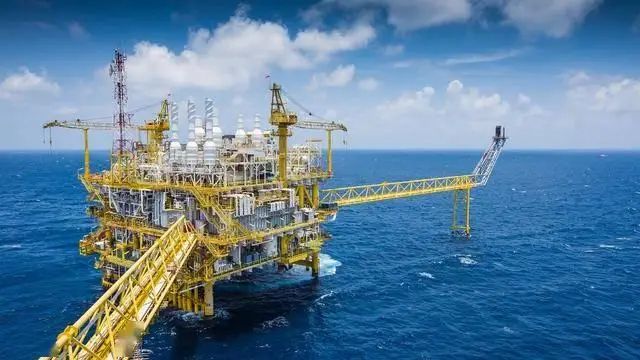
Most of the modern deep-sea drilling platforms are semi-submarine and are well designed, combining buoyancy with stability。
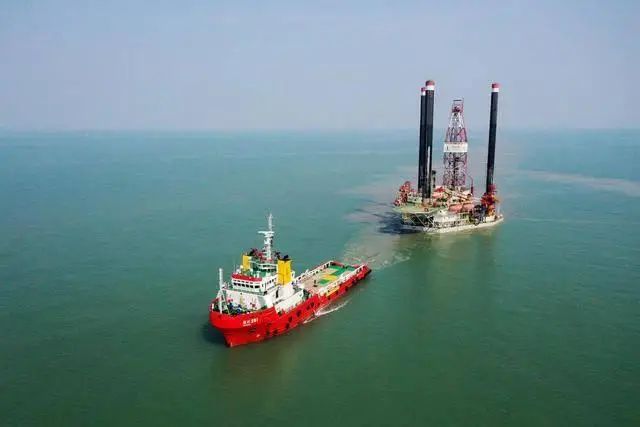
Once the rigs are assembled at the docks, the large objects are slowly towed by tugboats to the intended operational areas. Upon arrival, the platform was immersed deep into the sea floor through an anchoring system, which was initially fixed. The sea is not a calm lake, and rising waves a few metres high can cause continuous shaking of the platform, which is extremely detrimental to mining operations and clearly requires further stability。
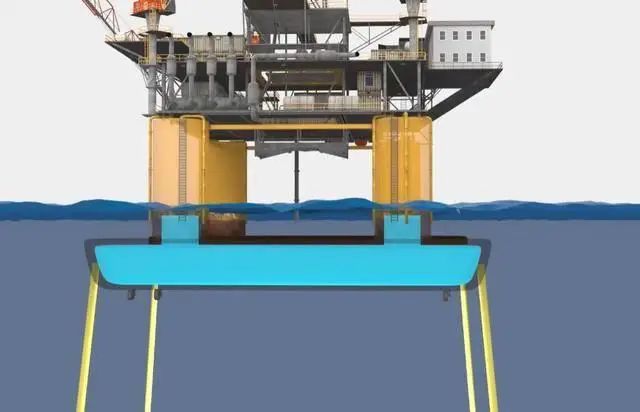
At the bottom of a semi-submarine platform, the floater is injected into the sea and sunk below the sea surface when greater stability is required. As a result, the focus of the platform was moved to the surface of the sea, which greatly enhanced the ability to resist waves and ensured that the rigs were stable. Even with the waves, the platforms are very small up and down, and they are almost invisible。
Let's look at the general structure of the offshore oil rig。
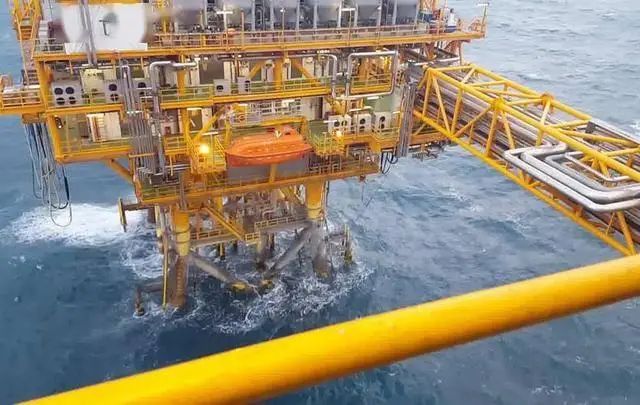
The rigs are surrounded by cranes whose main task is to pick up materials and equipment from the supply ship. The core area of the rig is the living area of the crew, where the facilities are complete, from the dining room, the bedroom to the toilet, which ensures the basic needs of the staff。
The living zone is usually accompanied by a large apron, which is where the helicopter takes off and off, and the main route for crew to and from the platform to land. In the lower floor of the platform, lifeboats are also equipped to prepare for occasional needs to ensure the rapid evacuation of crew during emergencies。
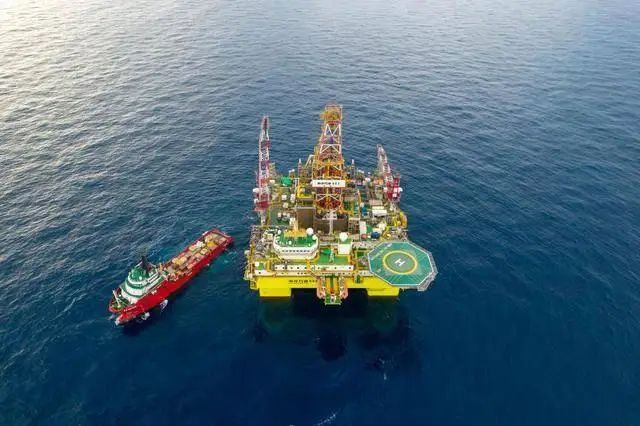
At the corner of the rig, there is a torch tower standing, usually made of steel frames, which is the highest point of the entire rig and which is not a lighthouse to guide the ship. During the extraction process, crude oil is often accompanied by flammable gases, and if not addressed in a timely manner, there is a risk of an explosion of an electrostatic charge, which poses a serious threat to operational safety. The purpose of the torch towers is to light these gases and burn them in advance, and sometimes the flames from the burning towers are very large, and the burning time is long, requiring water to cool them。
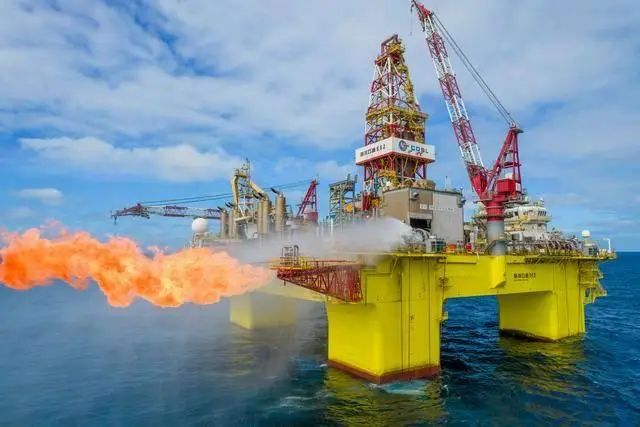
How did a platform floating above the sea pull up oil from the sea floor? All this is due to the drilling system at the platform centre。
First, staff would use towers to hang rigs, including drills and tubes. The drills were placed in a tube, which was decentralized to the sea floor together, and when they reached their intended position, the drills were activated and the drilling began downward. At the same time, the tube will be gradually decentralized as the drill is advanced, and the drilling system will pressurize the water pumped up and then inject high pressure water into the well, flushing out the debris generated by the drilling well。
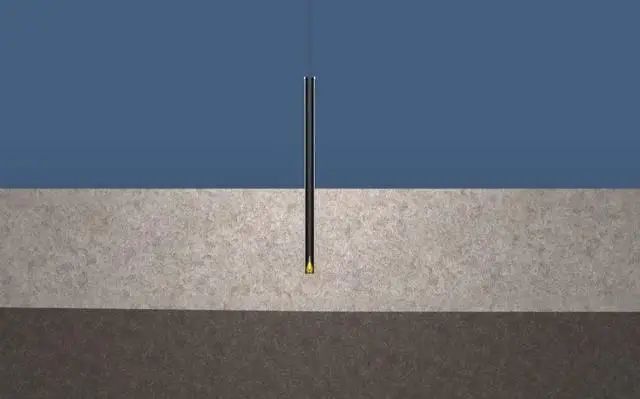
As drilling depths increase, the tube will stop diving, while the drill will continue down until it reaches the intended oil layer. At this point, the drill will be recovered, followed by a slightly smaller-diametric tube and cemented into it. When cement is condensed, a strong corridor is formed. The process will be repeated and the diameter of the tube will be reduced accordingly for each deep layer until it eventually reaches the oil layer。
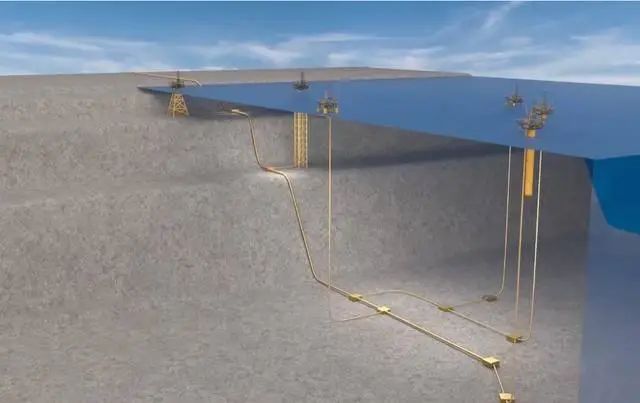
The drilling of wells on the seabed and the installation of blow-outs are essential. The seabed is different from the land, where conditions are good for mining in some places, where the oil can be extracted from the ground for more than a dozen metres or even slowly seep from the seams, with shallow wells and without groundwater, less pressure。
Undersea oil, however, is subject to intense pressure from seawater, which flows directly to the seabed hundreds of metres deep, but which, if not properly controlled, can lead to serious safety incidents and marine pollution, with crude oil floating on the surface of the sea, difficult to clean up and wide-ranging。
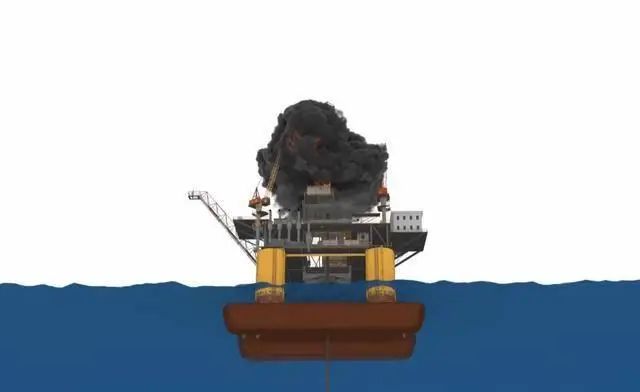
The anti-well blow-out unit of the offshore oil rig consists mainly of two ring pistons in the upper part and multiple gates in the lower part. When the piston is tightened, the wellheads can be closely closed to prevent oil spills, while the lower gate boards are primarily responsible for controlling oil pressure and ensuring that they fluctuate within a safe environment. The presence of this device provides security for the exploitation of oil at sea。
When oil is successfully extracted from the seabed, it is transported through pipelines to processing plants onshore and, of course, can be transported by ships。
On the shore, crude oil undergoes a complex series of processing and refining, converting crude oil into gasoline, kerosene, heavy oil, diesel and asphalt through distillation. The offshore oil rig is currently the best in several nordic countries, and china has been working on this device in recent years. For example, ocean oil 981, china's first autonomously designed and built ultra-deep semi-submarine drilling platform, can drill oil wells at a depth of 3,000 metres, up to 15,000 metres, updating several world records。
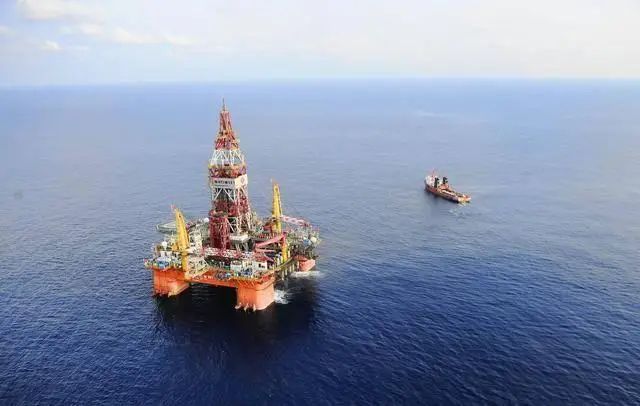
The south china sea, which is rich in oil and gas deposits, is a super-pore basin, with an optimistic estimate of about 55 billion tons. What kind of concept is that? It can be used by china for a century. If we want to do something good, we must be able to maintain the interests of the south china sea better if we have a good offshore oil rig。









