



Oil is one of the most important fossil energy sources in the world today, and it is not easy to extract it from the ground, especially since many oil is not stored on land, but buried deep below the seafloor。
How can oil buried deep under the sea be extracted? It's going to use the offshore rig. On the surface, the offshore drilling platforms are similar, but in practice they can be broadly divided into three categories. The first category consists of fixed platforms, which are generally located near the coastline and within waters no more than 500 metres deep. Fixed platforms, by definition, are firmly anchored under the sea floor using huge steel or concrete stakes, with the natural benefit of being very secure, even if the climate in the area is harsh。
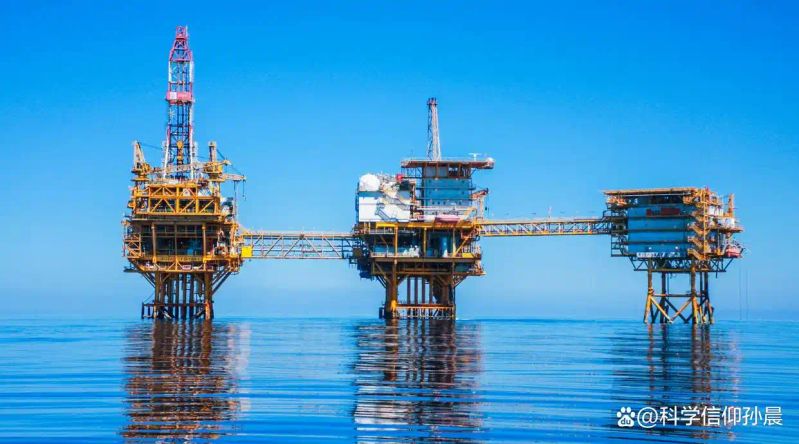
The second type is the response tower platform, which is usually built in a water depth of 450 to 1,500 metres。
On the surface, it appears that the balconies platform is, like a fixed platform, fixed to the sea floor, but the balconies platform is built on materials that are completely different from the fixed platform, using flexible elements such as soft legs or axle-directors that can reduce the impact of waves in deep-sea areas and avoid resonance. The third category is floating platforms, which are needed if oil is located in deeper waters. This is not because the response tower platform does not have the means to reach deeper sea areas, but because, as the depth increases, the cost increases rapidly, compared to the fact that floating platforms are much more economical。
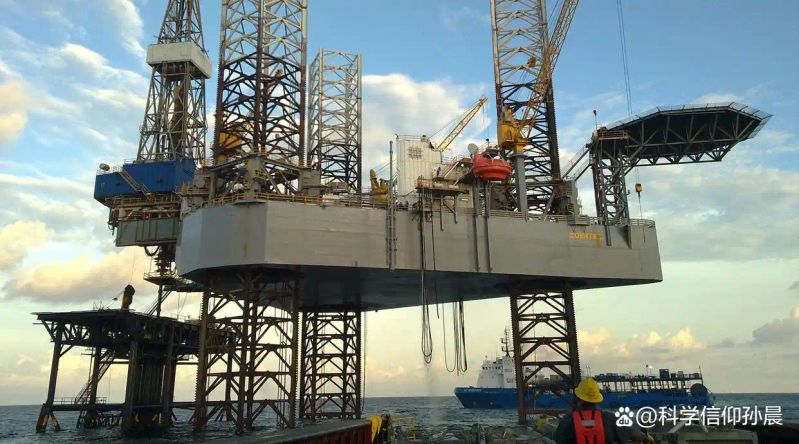
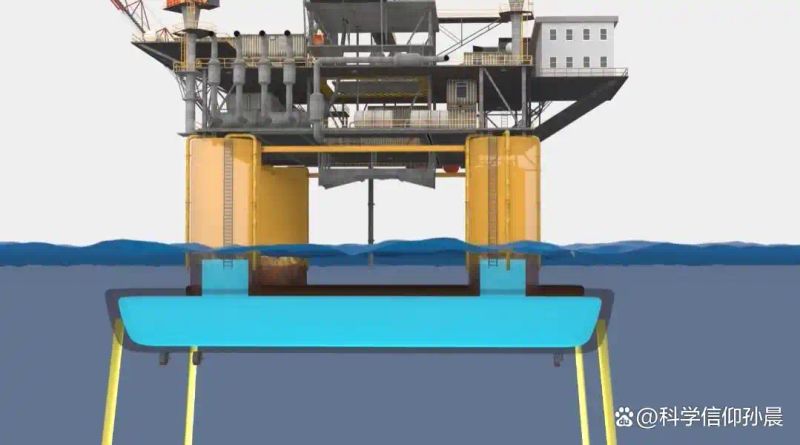
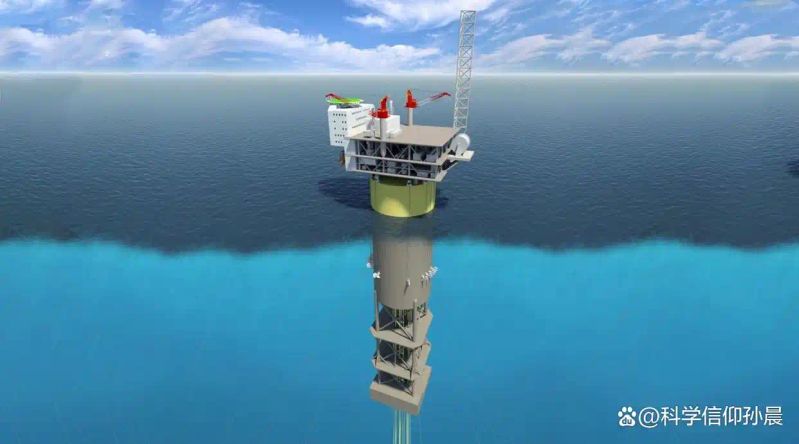
The floating platform is underneath a giant float that can provide buoyancy for the entire platform。
When the floating platform reaches its designated position, the platform is fixed to the sea floor using anchors or positioning devices, and water is injected inside the float to adjust the platform's buoyancy. This is due to the fact that the platform remains relatively stable, regardless of the size of the sea storm, as a result of heavy sea waves and the heavy majority of its weight after sinking. Some floating platforms are also equipped with propellers to fine-tune the direction of the platform。
Either platform, the drilling methods are essentially the same。
In the first place, a drill column is brought down to the seabed in order to ensure that the drill can reach the designated position precisely. The drill will be placed in a large tube called a “set” and when the drill reaches the sea floor, it will begin drilling downwards, when the fluid will be injected into it. The main effects of this visceral fluid are three-fold: cooling and lubricating drills, preventing well walls from falling, and enabling excavation of excavated soil and rocks. Drilling fluid is not a one-time application and, after venting through the head nozzles, it returns to the platform with mud debris along the circular space between the drilling column and the wellhead wall and is re-used after filtering。
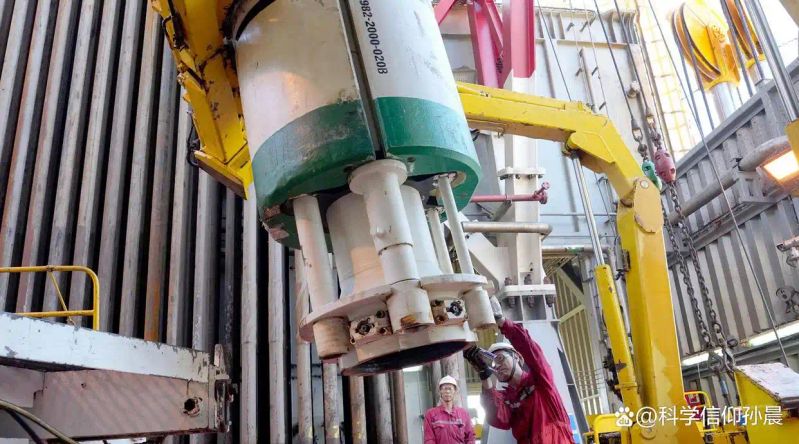
When a certain depth is reached, the tube will not continue down, leaving a drill to continue drilling down, which will then be removed, followed by a smaller tube and repeated over and over again。
Despite a pipe connection, the drilling tunnel may still have problems with leaks in well fluids and the collapse of well walls, so there is also a process called “confirmation wells”. In short, the cement is injected with a tube, which, when it reaches the bottom, spills over and fills with a ring between the tube and the well wall, and then condensed into a cement column, called the “sets column”, which can be firmly anchored on the well wall and eliminates the problem of leaking well fluids and falling well walls。
The most dangerous step was taken when the drills approached the oil storage area。
Because of the potential for enormous pressure on seabed oil, it is very dangerous that high-pressure oil should suddenly come out of platform wellheads, which could well blow-outs. In order to prevent this from happening, an anti-jet protection device will be installed in advance at the platform's wellhead, consisting of two ring seals and multiple pipe shears, which, when tightened, can be sealed at the wellhead, which can be cut off from the drill column and permanently sealed. Such a device would put an end to the danger altogether and would eventually be able to transport the extracted oil back through the pipeline。
# high-quality and well-written incentives #









