


In the global trading system, tariffs have long been widely used as an important policy tool to regulate trade flows, protect domestic industries and increase fiscal revenues. In recent years, however, there has been an increasing number of voices pointing out that tariff policies may in some cases actually harm the interests of the implementing country itself. This view is not empty, but is based on an in-depth analysis of the multifaceted economic, political and social impacts。
Tariffs, in short, are taxes levied by a government on imports and exports, which may be based on the value, quantity or weight of the goods. On the face of it, tariffs appear to be a win-win strategy: governments increase fiscal revenues by imposing tariffs while protecting domestic industries from the impact of low-priced foreign goods. However, this seemingly simple logic hides complex economic patterns and dynamics of international relations, which together determine the practical effects of tariff policies。
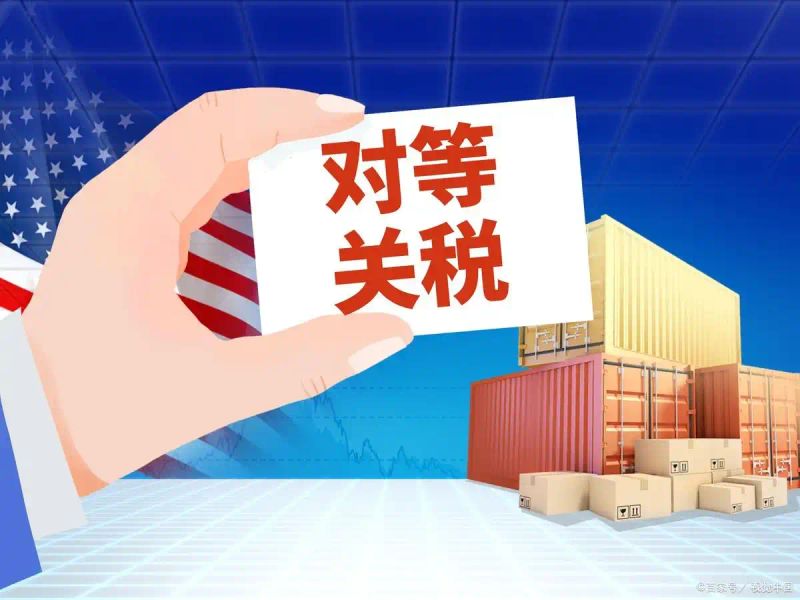
First, the protection of domestic industries by tariffs is not always positive. While it is true that high tariffs can increase the cost of imported goods and make foreign goods more expensive in domestic markets, thereby encouraging consumers to switch to domestically produced alternatives, such protection is often temporary and may have a number of negative effects. On the one hand, long-term tariff protection may result in domestic firms losing the incentive to innovate and becoming comfortable with inefficient production, as their protection in the market reduces competitive pressures. This “greenhouse effect” not only undermines the long-term competitiveness of enterprises, but may also lead to a decline in resource allocation efficiency and an overall erosion of social welfare. On the other hand, tariff protection may also distort the structure of the national economy, leading to excessive resource flows to protected sectors, while other sectors lag behind because of lack of resources and competition. Such structural imbalances ultimately undermine the overall economic health of the country。
Second, tariff policies may trigger retaliatory measures by trading partners to the detriment of both export sectors. In a globalized world, economies are closely interconnected and trade relations are complex. Tariffs imposed by one country on another's commodities are often counter-measured by the other, such as higher tariff rates for the corresponding goods or other trade barriers. Such “tariff battles” not only lead to a reduction in trade volumes, but may also undermine long-established trade relations and harm the export sectors of both parties. Moreover, trade disputes could escalate into political conflicts, affecting diplomatic relations among states and regional stability。
The effects of tariff policies on consumers should also not be overlooked. As tariffs usually increase the cost of imported goods, these costs are often ultimately borne by consumers. Therefore, high tariffs may lead to higher prices for imported goods, thereby affecting consumers ' purchasing power and choices. In some cases, tariffs may also lead to price increases across the relevant industrial chain, further increasing the burden on consumers. This price transfer effect not only harms consumers, but may also inhibit the growth of domestic consumer demand and have a negative impact on economic development。
In addition, tariff policies could undermine the international division of labour and global supply chains. In the context of globalization, countries share resources and complement strengths through international division of labour and global supply chains. Tariff policies tend to block the comparative advantages of this international division of labour, leading to higher production costs and more complex supply chain risks for enterprises. For enterprises that rely on imported spare parts or raw materials, rising tariffs may lead to sharp increases in their production costs, which in turn affect their market competitiveness and profitability. Such supply chain crises not only harm the interests of enterprises, but may also have an impact on the entire economic system。
In central europe, for example, tariffs imposed on china’s electric automobiles would not only protect the national automobile industry, as it had said, but would further undermine its international competitiveness. European auto manufacturers are already facing transformational challenges, with tariff escalation leading to higher costs for vehicle parts imported by them, and cooperation between the two sides in high-end manufacturing technology being severely hampered. This artificial supply chain crisis will eventually lead to the loss of technological innovation opportunities in europe, and the goal of industrial transformation upgrading will be doomed to failure. Moreover, sacrificing the trade chain in the electric automobile industry in central europe would further exacerbate divisions within the european union and undermine its process of economic integration。
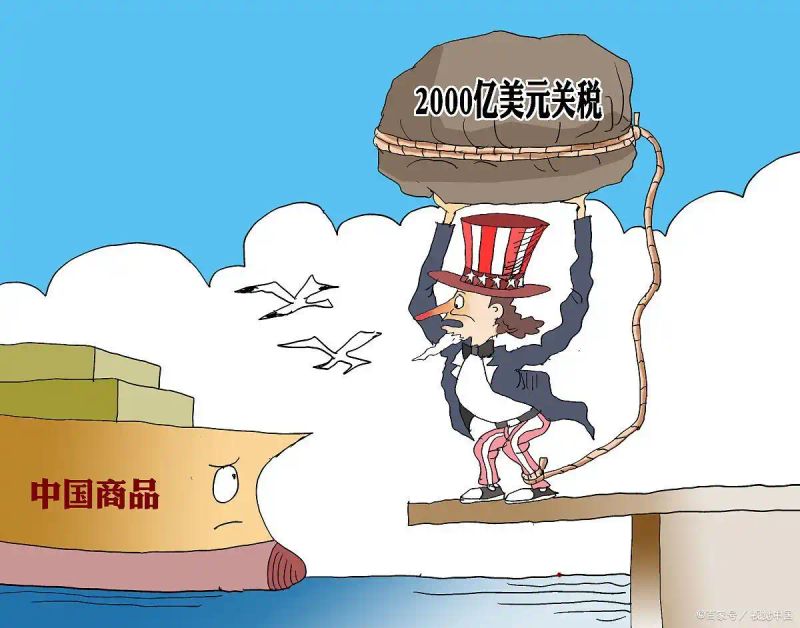
#ten days of customs war # look at the tariff dispute between china and the united states. The united states had announced high tariffs on goods exported to the united states, a policy that was not only contrary to wto provisions and seriously undermined the legitimate interests of wto members, but also undermined the multilateral trading system and the international economic and trade order. China has taken counter-measures to that effect by imposing additional duties on all imports from the united states on the basis of existing tariffs. This “customs war” has not only led to a significant reduction in trade between the two sides, but has also triggered widespread political and economic conflict. United states enterprises have suffered significant economic losses as a result of tariff increases, while china has demonstrated its ability to respond by precisely hitting the united states agricultural states and key industrial sectors. This dispute not only undermines the economic interests of both parties, but also threatens the stability of the global trading order. However, tariff policies are not without merit. In specific cases, tariffs can be an important tool for governments in implementing trade policies, regulating trade balances, protecting infant industries or responding to unfair trade practices. For example, in the face of foreign commodity dumping, governments can protect their enterprises from low-price competition by imposing anti-dumping duties. In addition, tariff policies such as preferential tariffs can also promote trade cooperation and economic development among specific countries. Overall, however, the design and implementation of tariff policies need to carefully weigh the benefits and disadvantages. Governments should formulate scientifically sound tariff policies that take full account of domestic and external economic circumstances, industrial competitiveness, consumer interests and international trade rules. At the same time, countries should strengthen international cooperation and consultation to safeguard the stability and prosperity of the multilateral trading system. In a globalized world, economic interdependence and common development have become irreversible. As an important component of the international trading system, tariff policies should be designed and implemented with greater emphasis on balancing interests and promoting common development. Sustainable development and shared prosperity in the global economy can be achieved only through enhanced international cooperation and consultation and through the promotion of new types of international relations that are open, inclusive, inclusive, balanced and win-win. Thus, in the long run, tariff policies are not always in the interests of the implementing countries themselves. In some cases, it may have a number of negative effects that undermine the comparative advantages of domestic industries, consumer interests and international division of labour. Governments should therefore carefully design and implement tariff policies, take full account of the advantages and disadvantages, and strengthen international cooperation and consultation to jointly preserve the stability and prosperity of the multilateral trading system. Only then can sustainable development and shared prosperity in the global economy be achieved. Sustainable economic development and shared prosperity。









