


In the design of air-conditioning systems, electro-inflation valves are used as electronic control elements because of their high accuracy, speed, accuracy and obvious energy-saving effects. Their use in refrigeration systems allows for optimal control of systems and extensive applications in refrigeration air-conditioning. And how does the electro-inflation valve work? How does it work? How does it work。
Research on electro-inflation valves started in japan as early as the late 1970s, when they were driven up and down by the application of different voltage (0~12v) heat on two-metal slices. The expansion valves were significantly defective and were not subsequently used. Research and development of electro-inflation valves were carried out in the 1980s in countries other than japan, mainly for electromagnetic and electric (step-by-step) electro-inflation valves。
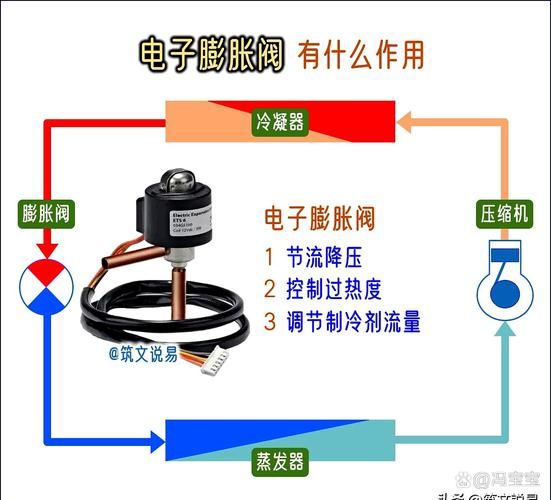
Electromagnetic expansion valves are open before the electromagnetic loops go through, and the opening of valves depends on the controlled voltage imposed on them, thus regulating the flow of the swelling valves. The valve was responsive, but needed electricity to work in the refrigeration system。
The electro-inflation valve is an electro-inflation valve driven by a step-by-step motor, which, by placing a logical numerical signal on the step-by-step generator, enables the step-by-step motor to move forward or backwards through a thread-by-line drive valve, thereby altering the volume of the flow of the valve in order to control the flow。
This electro-inflation valve can be divided into two types of direct motion and deceleration. The direct motion type is the step-by-step drive valve, and the deceleration type is the step-by-step power that drives the movement of the valve through the gear-by-go gear group. Large thrusts can be generated through gear-retarding gear sets, so that this is currently the mode used for many pace-driven electro-inflation valves。
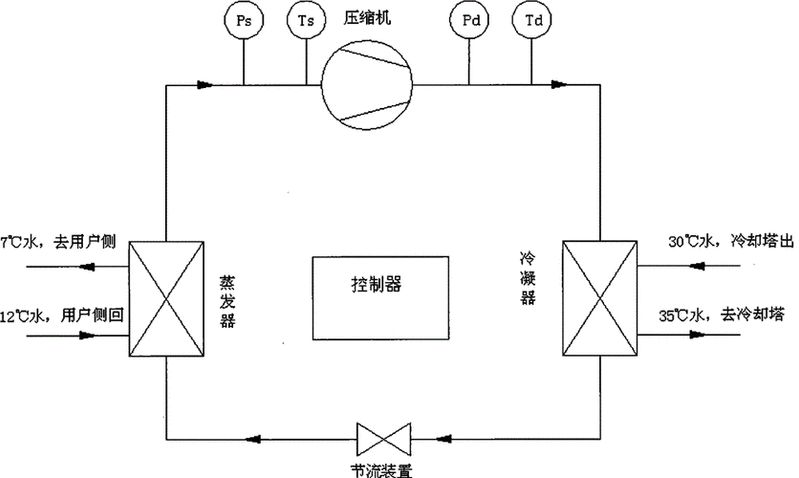
Electronic expansion valves take a variety of forms, but they need to be controlled by telecommunications, which makes it possible to implement modern micromachine controls in the refrigeration cycle. At the same time, each form of electronic expansion valve has its own advantages due to differences in systems and control methods. However, step-by-step electro-inflation valves are used for more refrigeration systems because they are more suitable for micromachine control and have better stability。
Owing to the fast and high precision characteristics of electro-inflating valve sampling, advanced controls to achieve comfort, energy efficiency, etc. Control objectives have become more widespread in small and medium-sized refrigeration equipment, especially in household air-conditioning systems。
Outdoor evaporation units are often frosted because of the heat condition of domestic air conditioning, while the traditional frosting is the conversion of the four valves and the application of a reverse cycle to defrost, which lasts approximately 11 minutes, with high indoor temperature fluctuations; the electro-inflating valves were fully open during the frosting period and had an empty ratio of 0. 5 with an indoor winder switch, which was controlled by the outdoor winder, reduced by less than half the time of the frosting, and reduced by less than half the temperature of the indoor heat exchanger, thus saving the removal energy and increasing the comfort of the interior。
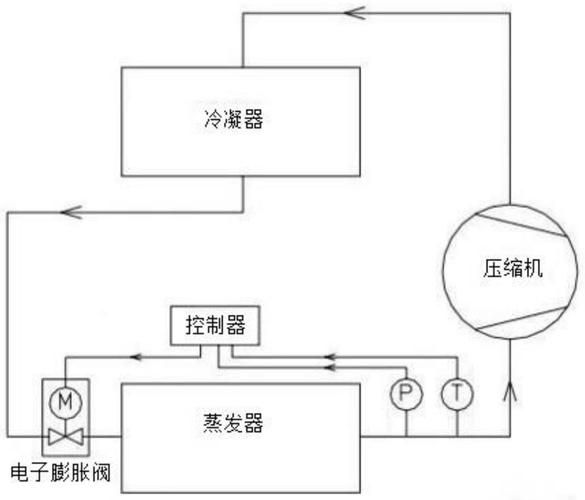
The use of electro-inflation valves to control compressor exhaust temperatures can prevent adverse effects on systemic performance due to higher vent temperatures, while special safety protections can be saved, costs saved and efficiency improved。
Refrigeration systems employing electro-inflating valves, with all-off of expansion valves at the time of stoppage, to prevent cryogenic fluids from condensing into evaporation units, resulting in energy losses at re-start; before it goes on, the expansion valves are fully opened to balance the system at high and low pressure sides, and the system is then turned on, which both achieves light-loading of compressors and reduces the heat loss caused by the release and suspension of compressors, saving about 6 per cent of electricity costs。









