


International crude oil prices have fallen significantly since mid-2014, from over $100 per barrel in june to below the current $50, a drop of up to 50 per cent. Currently, oil prices are still not stable, markets are still looking for new equilibrium points, and downward trends are evident. Taken together, the “new normal” of low international oil prices in this round is largely due to weak demand and excess supply and demand fundamentals. The weak growth of the world economy has led to a reduction in oil consumption in various countries, while a substantial increase in non-conventional oil production is the underlying cause of increased market supply。
Change began in the united states. Technological innovations have contributed to technological advances in oil exploitation, and breakthroughs in horizontal drilling, hydro-fissile pressure and three-dimensional seismic exploration technology have significantly reduced the cost of extracting hydrocarbons from shale formations. Over the past five years, united states oil production has increased by 3. 5 million barrels per day, from 6 million barrels per day to the current 9. 5 million barrels, and half of the increase in global crude oil production has come from the united states, the largest source of global oil supply. The united states energy intelligence agency (iea) predicts that in 2015 united states crude oil production will exceed 10 million barrels per day, and that it will be possible to surpass saudi arabia and russia and regain the world's first oil producer. At the same time, opec member states, which are saudi-dominated, have been able to rely on low-cost mining advantages and “shale oil” from the united states to defend the “oil power” of the arab chiefs. Differences between the supply and demand sides have led to a continuous downward examination of crude oil prices。
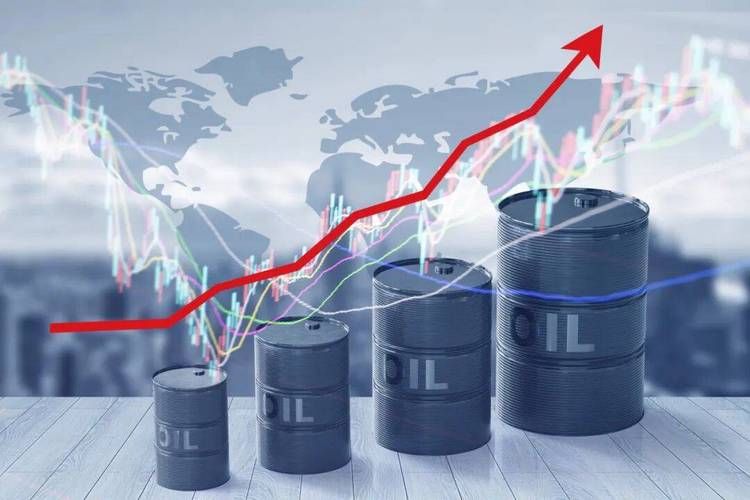
As the world's largest consumer of energy, the second largest importer of crude oil, and the largest manufacturing power, oil is referred to as the blood of industry. Is the collapse of crude oil prices good or bad for china's economy
At the consumer level, falling oil prices increase consumer purchasing power, resulting in increased demand. With 60 per cent of our crude oil consumption dependent on imports, the fall in oil prices has a “cost dividend” effect. The most intuitive perceptions stem from lower transport costs, such as the continued decline in domestic gasoline, from more than $8 per litre to less than $6 per litre, the obvious benefits of taxi drivers and private car owners and the consequent decline in public transport spending. Declining oil prices have also reduced transport costs and domestic aviation fuel costs will be eliminated。
In addition, lower prices for petroleum products will reduce prices for agrochemicals, plastics and fibres, as well as prices for vegetables, manufactured industrial products and textiles。

At the production level of enterprises, the volatility of oil prices has also led to a series of reactions to production costs in various sectors, which can be described as “the joy of others”. Overall, lower oil prices are beneficial for downstream oil-consuming enterprises because of lower inputs, lower expenditures and increased profits, such as in the aviation, automobile manufacturing, textile and clothing industries, logistics storage and chemical fibre industries. However, revenues from upstream oil exploration and development enterprises will be significantly reduced, and it will be difficult for mid-stream refining firms to benefit from lower crude oil costs. The oil and gas industry, as a finished oil-producing industry, has undoubtedly suffered the most from the fall in the price of its own products. Weak market demand lowers the price of finished oil, which ultimately undermines the profits of refineries, and the previously high-priced stock of oil can have a negative impact on inventory value. Given the alternative relationship between new and conventional energy sources, and for the new energy sectors, it is not good news that falling oil prices over the years have slowed down investment in new energy industries. Cheap oil prices lead to relatively higher development costs for investment in new energy sectors, such as wind and photovoltaic power, and discourage further investment。
At the macro level of the functioning of the national economy, falling oil prices have also helped to reduce inflationary pressures in china, boost its balance-of-payments capacity and accelerate GDP growth. Since oil prices, such as petrol and diesel, are themselves part of the consumer price index (cpi) and the producer price index (ppi), the decline in oil prices directly affects these price indices. In terms of balance of payments, the fall in oil prices has led to the redistribution of income among net oil exporters to net oil importers. The revenues of large net oil exporters, such as saudi arabia, russia, etc., would decline, while net oil-importing countries, such as china, japan, india and the republic of korea, would have correspondingly reduced spending on purchases. Statistics show that in 2014 the country imported 300 million tons of crude oil. On the one hand, the fall in international oil prices would directly reduce our import payments and increase our trade surplus; on the other hand, the fall in international oil prices would slightly increase our economic growth and thus our actual imports. The world bank recently measured the impact of a 10 per cent drop in oil prices on china's GDP in the range of 0. 1 per cent to 0. 2 per cent. The decline in oil prices has had a smaller impact on our GDP than in some other countries because coal accounts for two thirds of our energy consumption structure, while oil accounts for less than 20 per cent。
At the level of international economic cooperation, it is mixed. On the one hand, with the continued decline in crude oil prices, some less productive energy enterprises will go bankrupt, favouring chinese energy firms to go out and buy cheap energy assets; on the other hand, given the increasing scale of investment by chinese energy firms in the offshore oil industry since the 2008 financial crisis, the fall in oil prices will affect the return on investment, while china faces the risk of investment defaults in countries such as venezuela. From the perspective of china's overall energy security, the fall in oil prices has helped china's oil companies to “grow up oil” and increase their strategic reserves. As early as 2003, china began to prepare its oil reserves and plans to complete the construction of hardware facilities, such as oil depots, in three phases over a period of 15 years, with a strategic oil reserve capacity equivalent to 90 days of net crude oil imports projected for 2020. The moment of opportunity, the “low-intake” is certainly a great opportunity。

Overall, the fall in oil prices is more likely for china. As global supply exceeds demand, the international oil market is shifting from seller to buyer markets, with the financial and commodity attributes of oil diminishing. According to the international energy agency (iea), international oil prices will remain weak until 2016. The united states energy intelligence agency has also significantly reduced oil price projections, with the united states benchmark crude oil price projected to average $55 per barrel in 2015, well below the 2014 average price of $93 per barrel. As a major consumer of energy, china should seize the opportunity to accelerate the restructuring of its energy resources, upgrade its diversified oil supply channels and enhance its energy voice。
(author: associate professor, institute of international relations, people's university of china, research fellow, institute of national development and strategy)









