


Since march, international oil prices have been plunging. Entered may, although there was a rebound. As at 13 november, light crude oil futures delivered by the united states new york commodity exchange in june had increased by 6. 79 per cent but still received only $25. 78 per barrel。
On 20 april, the may contract price for light crude oil (wti) futures in west texas, united states, fell by over 300 per cent and received $37. 63 per barrel for the first time since 1983, when oil futures were traded at the new york commodity exchange。
Oil prices are the thermometers of the world economy. Is the current low oil prices a short-term shock or will it continue for some time? What is the impact of low oil prices on our economy? How should we respond then? In this regard, the economic daily journalist interviewed the experts。
Low oil prices will last for some time
“the new coronary virus pandemic has hit the global energy system the hardest in more than 70 years.” according to the global energy assessment recently published by the international energy agency (iea), global energy demand will decline by 6 per cent by 2020, seven times as much as in the 2008 global financial crisis, equivalent to india's third largest energy consumer。
There is no doubt that the direct trigger for this year's fall in oil prices is the global epidemic of the new crown virus. According to dong xio, a researcher at the national open institute of the university of foreign economics and trade and a professor at the international institute of economics and trade, after march, the new coronary epidemic spread in several countries abroad, the suspension of businesses and the reduction of residents' presence, which led to a significant reduction in the demand for crude oil, and the pre-period oil stock was almost saturated。
As of 14 may, 214 countries and territories around the globe had cumulatively diagnosed 4. 42 million new coronary pneumonia infections and 297,000 deaths, including 1. 43 million cases in the united states。
In the april oil monthly, the international energy agency projected that global oil demand would fall by 9. 3 million barrels per day in 2020, at a record low。
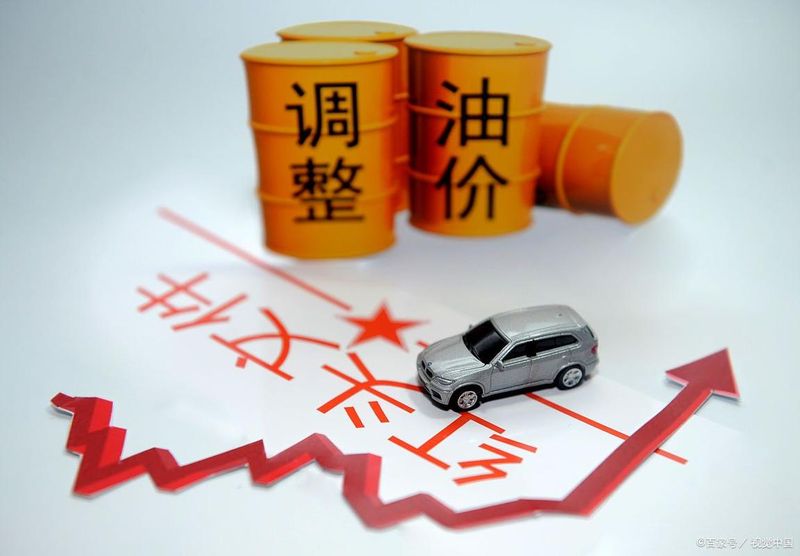
According to lim boqiang, director of the china energy policy research institute at xiamen university, the deep-seated reason for the collapse of oil prices is the imbalance in the global oil supply and demand structure. In recent years, major technological breakthroughs have accelerated the growth of the shale oil industry in the united states, which has to a large extent squeezed out the space available for the reduction of opec and russia, resulting in significant changes in global energy patterns。
It is because of these complexities that, earlier this year, neither opec nor non-opec oil-exporting countries were willing to reduce their production, triggering a wave of price wars in the international crude oil market and accelerating the sharp fall in crude oil prices. Ultimately, the parties reached an oil cut-off agreement that would result in an average of 9. 7 million barrels per day from may, the highest rate in the history of the opec derogation, equivalent to one tenth of the global supply of crude oil。
“improving the supply side led to a recovery in oil prices in may, but did not address the core issues”. Lindbergh indicated。
Indeed, global oil supply and demand conflicts remain intractable. On the one hand, new technologies have led to significant increases in united states crude oil production and rapid export growth, while on the other hand, in the context of carbon reduction, the development of alternative sources of energy, such as renewable energy and electric cars, has slowed the demand for oil。
According to dong xio-sung, the expansion of alternative energy sources has even led to the establishment of exit timetables for fuel trucks in some countries, and demand from developing countries has slowed down, with changes from the demand side leading to a potential peak in oil consumption in the coming years。
He indicated that the current opec production-led oil price hike would not be high for some time to come and that there was a greater likelihood that it would last between $30 and $50。
In practice, this view is representative. On 26 april, the former president of china's petrochemical board, fu sung-yu, stated at an online forum that oil prices would continue to shake down over the next one to three years. Over the coming years, oil prices will be below $50 per barrel, although this may still be below the production costs of many oil-producing countries。
The impact on our economy has been mixed
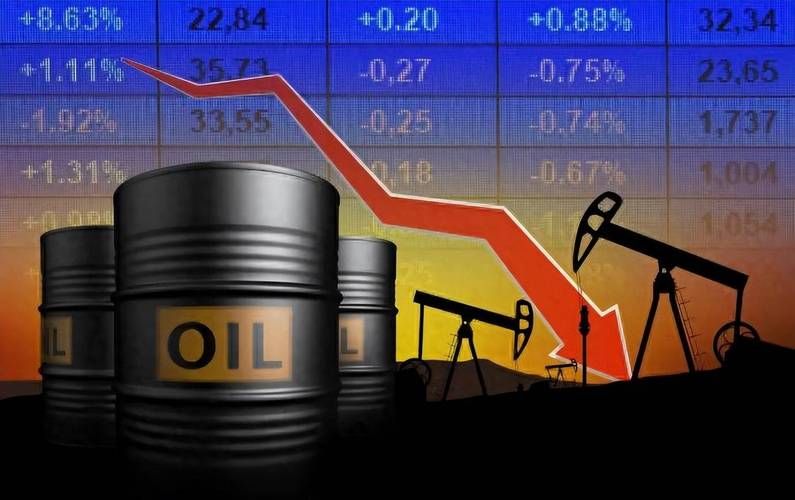
“the fall in oil prices can balance the balance of payments and reduce our foreign exchange expenditures.” dong xiu indicated。
Our country is a net importer of oil, with a high external dependence of 70. 8 per cent. The data show that in 2019 our total imports amounted to $20. 7 trillion, oil imports to $24. 4 billion or 11. 6 per cent of our total imports, oil imports to 3. 7 billion barrels and average import prices to $64. 97 per barrel。
Dong xio-sung indicated that if crude oil prices stabilized at $35 per barrel in 2020 and imports remained at the same level as last year, we would save $110 billion in expenditure。
At the same time, low oil prices will reduce the cost of operating the economy and society. Oil is both a primary energy source and a basic chemical material, with a long industrial chain, and oil price trends have a greater impact on other energy prices and industries。
In the international market, the price of natural gas has been low since this year. The u. S. Chia business institute recently announced that, starting on 18 may, part of the gas futures would be marked as affordable negative prices. The international energy agency (iea) has published a report that natural gas demand will decline by 5 per cent by 2020, which will be the largest decline in consumption in the year since the development of the gas scale。
The price of coal this year is equally high. Overseas agencies believe that there are no signs of a rebound in demand in the global coal market in the short term, and that there is little chance of a rebound in prices。
In the case of my country, recent data released by the national institute of statistics show that the consumer price index (cpi) increased by 3. 3 per cent in april, while the price index for industrial producers (ppi) decreased by 3. 1 per cent in april and by 1. 6 percentage points in comparison with the previous month。
Of these, the decline in ppi was more affected by the sharp fall in crude oil prices. The data show a 35. 7 per cent drop in the price of our oil and gas extraction industry in april; a 9 per cent drop in the price of the oil, coal and other fuel processing industry; and a 3 per cent drop in the price of the chemical raw materials and chemicals manufacturing industry. The combined effect of the three sectors was a decline of about 0. 76 percentage points in ppi, or nearly 60 per cent of the total reduction in ppi。
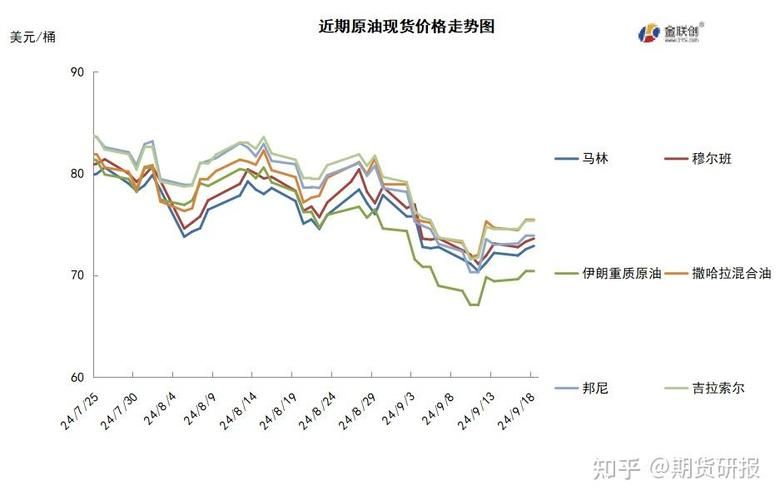
Dong xio-sung indicated that the fall in oil prices was beneficial for industries such as transport but not for the hydrocarbon industry, particularly upstream. Since our oil and gas exploration and development costs are higher than current oil prices, there is a certain scale of crude oil production costs of around $50 per barrel, with low oil prices having a greater impact on upstream operations。
According to the experts concerned, no matter how low the international price of oil or gas, our oil and gas supply cannot be handed over entirely to the international market, and it is essential to maintain the basic stability of domestic hydrocarbon exploration and exploitation and to avoid a surge in domestic energy production。
At the same time, for renewable energy and alternative energy, represented by electric cars, falling oil prices reduced the economic viability of alternative energy sources and would face a more severe market test. At the global level, renewable energy and electric vehicles, for example, were developing on the basis of certain government subsidies, and limited industrial development would be detrimental to the restructuring of the energy structure。
Take the time and be flexible
“we should pay close attention to the financial implications of oil price trends and respond accordingly.” dong su-sung indicated that oil prices were closely linked to financial markets. In the united states, the development of shale oil and gas is highly correlated with financial markets, with a large amount of wall street capital invested in the industry and, in the face of lower oil prices, some shale oil and gas companies have gone bankrupt。
For its part, limbergh stated that low oil prices were a good time to increase the strategic reserves of oil, but that a real problem was the lack of adequate reserve facilities. Although we have accelerated the construction of our reserve facilities in recent years, as a major oil-dependent country of up to 70 per cent, consideration could be given to integrating them into infrastructure development and increasing the capacity of our strategic oil reserves。
The dong xiu rule suggests that, in order to continue improving the oil reserve system and the reserve mechanism, the introduction of private enterprises and the construction of private oil reserves could be considered. At the same time, consideration could be given to launching market-based reforms in due course to further liberalize the prices of finished oil。
For several major oil companies, the reduction of efficiency gains is justified. President wang dong-jin of china sea oil stated that cost control would be fully advanced this year, building on the 9 per cent decline in the total cost of barrel oil in 2019, which had reached a new low of nearly 10 years, and continuing his efforts to reduce the cost of barrel oil by at least 10 per cent in total。









