


Author: professor at nanjing university of finance and economics, chief expert at the modern services think tank
The supply-demand relationship in the international crude oil market is a central factor in determining the trend in international crude oil prices, but the pandemic has significantly lowered international demand for crude oil, leading to low international oil prices. Without a significant improvement in the epidemic, low oil prices will be a longer process. Historically, low oil prices have generally ended in 1-3 years, and this round of low oil prices has, of course, to be premised on the recovery of international productive life, during which time low oil price volatility will be normal。
I. Performance of international crude oil futures price shocks
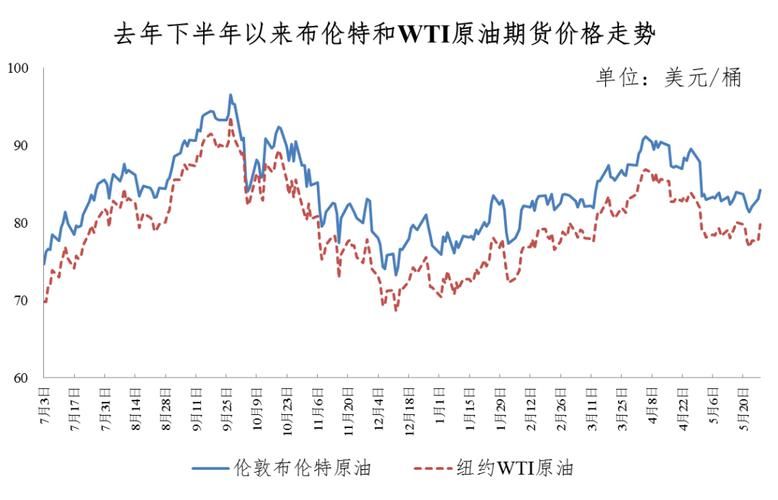
In the early hours of beijing time on 21 april 2020, the wti oil futures report delivered by the new york commodity exchange in may was $37. 63 per barrel, a decline of 305. 97 per cent. The direct reason for the fall in the price of crude oil futures is the fact that the crude oil futures contract is about to expire in may, but the market has reached its limit for buyers to store crude oil, and the seller prefers to allow the buyer to receive excess crude oil at the expense of hoarding it into his own hands, to perform this rare and dramatic act. And for the first time, the price of the crude oil futures trade was negative, and the global population was once again witnessing history。
Reasons for the shock in international crude oil futures prices
There are complex economic and political factors behind any economic phenomenon, and there are many reasons for this huge future price shock for crude oil。
One is the decline in market demand. The impact of the new coronary pneumonia epidemic has been significant, resulting in shrinking demand for oil, and excessive pressure on crude oil storage is a direct cause of the sharp fall in prices. In the case of excess crude oil production, there is a severe shortage of storage space and continued wait-and-seeness by a large number of buyers, resulting in a serious shortage of external demand. It is known that traders have “floating” more than 160 million barrels of crude oil at sea。
Second is the increase in crude oil supply. The risk of a sharp fall in demand and prices for crude oil as a result of the outbreak of the new coronary pneumonia epidemic has long been anticipated in the world, with the saudi-led opec and russian-led non-opec finally concluding a production reduction agreement (the parties agreed to a combined reduction of 9. 7 million barrels per day from 1 may, representing about 10 per cent of global supply). However, oil producers' previous practices of increasing production and price competition have created a serious supply-spill situation in the crude oil market, and this supply-demand imbalance has set the price of oil in motion. As a result, the implementation of the reduction agreement has not yet been awaited and the price of crude oil futures has fallen sharply。
Iii. Impact of the fall in international crude oil prices on china
(i) macroeconomic dimension
Low oil prices are beneficial for economic recovery in the post-emergence period, with the most basic impact being low cost. For investments in oil-based manufacturing, especially chemical industries such as plastics and rubber, lower oil prices have helped to ease the cost pressures on former raw materials. For hard currency — masks — during the epidemic, the essential raw materials are unwieldy, demand increases in the rest of the world as a result of the difficult fight against the disease, and the fall in crude oil prices will benefit the profits of the medical equipment industry. For other sectors, however, external demand remains inadequate, given that the epidemic has not yet ended. Thus, despite the low cost of raw materials, it is difficult to return to a ceiling at an average annual growth rate of 9. 7 per cent after the reform and opening up. As a result, lower crude oil prices have had very limited positive effects on steady employment growth in the chinese economy. In order to recover the economic shock caused by the new coronary pneumonia epidemic, the central party has put in place a combination of fiscal, monetary and other spheres, including tax reductions. This has contributed significantly to increasing economic confidence. With regard to foreign trade, a substantial drop in oil prices would effectively reduce china's import expenditure and would contribute to an increase in the current account surplus. Low crude oil prices are generally beneficial for the implementation of the central combined boxing. However, there is still a need to guard against deflation risks, as well as losses and even failures in oil and gas production enterprises。
(ii) energy security dimensions
The energy structure of our “coal-rich and gas-rich” has long been well known. The same is true for energy dependency. Data from the bp world energy statistics yearbook 2019 show that china's external dependence on oil and gas is 72 per cent and 43 per cent, respectively, and energy security remains a concern. Moreover, existing studies have concluded that production technologies in the industrial sector in china are generally biased towards fossil energy and that enterprises are strongly inclined to increase the consumption of oil, gas and coal in the production process. Oil and gas supplies are severely inadequate and external dependence remains high, and the sharp drop in oil prices may further increase the preference of industrial enterprises for fossil energy. It is therefore a serious challenge for my country to move from high-speed to a high-quality development process。
This oil price shock provides a good buffer against china's energy restructuring and optimization. For too long, under strong policy constraints, energy restructuring can distort the configuration of the elements of enterprise production, with unavoidable economic costs. The current oil price shock has provided a good cushion for the country to accelerate the restructuring of its energy consumption, with lower oil prices for enterprises and a significant reduction in socio-economic costs. Compared with rising oil prices, china could take full advantage of this low oil price opportunity, which would lead to a structural transformation of energy consumption and thus lower the cost of renewable energy diffusion。
In addition to oil, natural gas is difficult to maintain as a fossil energy source with high external dependence. There is an alternative relationship between natural gas and oil as a different category of energy. Oil demand is bound to rise if oil prices are stabilized at a low level in the long term, resulting in a decline in the demand for natural gas, where there is an alternative relationship, leading to lower gas prices. China's natural gas dependency has exceeded 40 per cent. In december 2019, russia officially began supplying gas to our country through the gas pipeline of the central and eastern russian line, which provides a stable gas supply to our country. From the signing of the agreement in 2014 to the opening of the pipeline in 2015, the chinese-russian-east gas pipeline entered china for five years from the city of hei river in heilongjiang province, via heilongjiang, jilin, inner mongolia, liaoning, hebei, tianjin, shandong, jiangsu, shanghai provinces, cities and autonomous regions, all 511 km long. As at 25 april, 840 million cubic metres of natural gas had been channelled to the country. China is a major consumer of natural gas, and natural gas suppliers from australia and the united states compete intensely in the chinese market. With lower oil prices, the reduced price of natural gas as a result of the substitution effect has helped our country to further increase its natural gas reserves. At present, china is known to have built 27 gas reservoirs, with a capacity of up to 12 billion cubic metres. This number will be further expanded in the future。
The supply of coal is also not promising. Our vast reserves of energy, such as coal, have long been oversupplyed and the pressure on production capacity has abated slightly after structural reforms on the supply side, yet the outbreak of a new coronary pneumonia epidemic has led to a further increase in excess capacity in coal enterprises. On 5 february 2016, the state council issued its opinions on overcapacity reduction in the coal industry, which states that within three to five years, the coal industry will withdraw from production capacity of approximately 500 million tons and restructure it by about 500 million tons. According to statistics, by the end of 2018, the coal industry had managed to eliminate 810 million tons of capacity, essentially balancing supply and demand. However, low oil prices have led to increased demand for oil, and the demand for coal as an alternative will naturally decline. As a result, profit margins in the coal sector are likely to fall further and overcapacity pressures are likely to return。
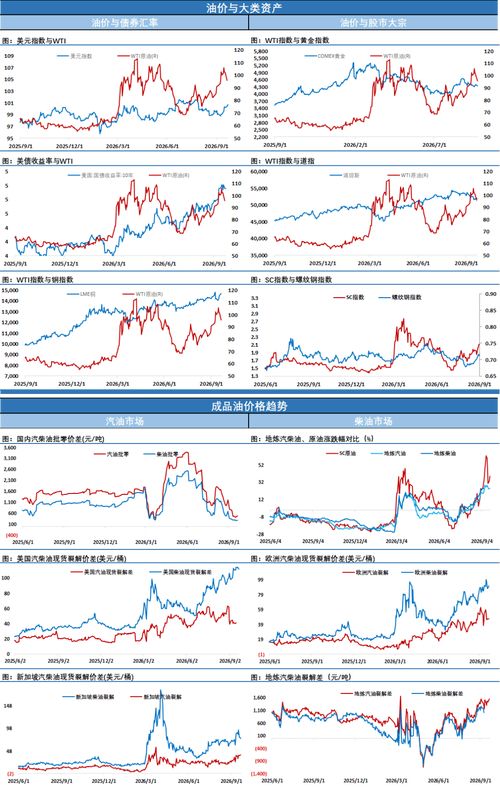
At present, china has made extensive rehabilitation efforts, and the anticipated retaliatory consumption will boost the demand for energy, which will also be greater for both the oil and gas sectors. Our epidemic has reached its end, and despite the resurgence of energy demand by a large number of trade unions, the epidemic abroad is not promising and still needs a long time to struggle against it. In the short term, the lack of demand in overseas markets has become a reality, so that the oil gap will not be large in the short term and china's energy market supply and demand will be relatively stable。
(iii) economic operating risk dimension
From a historical point of view, low and stable oil prices in the 1950s to the 1970s have led to a period of rapid growth in western capitalist countries. After world war ii, the rapid recovery of the economy was largely dependent on the development of heavy industries and was therefore more oil-dependent. The oil crisis of the mid-1970s caused serious problems of stagnation. Today, however, china is in a critical period of industrial restructuring, and manufacturing still accounts for a high share of GDP and is more dependent on oil. On the face of it, the sharp fall in oil prices has more benefits than disadvantages for economic development. However, oil prices and financial risks are always closely linked, and in this vast system no one can escape fate, such as medium-size crude oil products, and many investors suffer losses. There is therefore still a need to focus on potential significant risks。
The sharp drop in crude oil prices has led to an increase in the rate of non-performing loans by oil-producing enterprises, which may further lead to an increase in the risk to debt-holding institutions, with the risk of successive collapses in debt and stock markets and an increase in the risk of financial crisis. With china’s increased openness to external markets, financial integration has increased worldwide, particularly in the light of the current growth in the size of trade and the high level of capital flows, which have led to a marked transmission effect on national stock and debt market volatility. In the context of the interplay between stock and debt markets, the subsequent effects of the sharp fall in the price of crude oil futures could affect china's conceptual position. While our stock market is currently relatively stable as a whole and the above-listed index is much less volatile than the european-american stock market during the same period, increased external financial risk could have a direct impact on the confidence of chinese investors. It was therefore crucial to build positive development expectations in investor minds and to revive investor optimism. More regulatory pressure was placed on the chinese financial sector than in the past. In order to guard against the financial crisis, the chinese government must first restore economic confidence, send out strong signals of intervention through a series of strong fiscal and monetary policies, and truly build confidence in the real and virtual economy is the focus of the fight against external financial risks and the key to the second half of the epidemic。
The most difficult aspect of the epidemic was small and medium-sized enterprises (smes), and the targeted reduction strategy adopted by the government, although highly targeted, was still difficult to prevent credit flows from flowing back into the market. This has led to the following: on the one hand, the difficulties in financing smes have not improved effectively and, on the other hand, the fundamental objective of the party's central government to “no housing” has not been effectively implemented. Thus, strong intervention and strict regulation in the financial regulatory sector are fundamental guarantees for the rapid restoration of real economic confidence. Financial institutions should be more effective in fulfilling the “services” character of investment financing activities, with blood transfusions for small and medium-sized enterprises, based on the principle of dedication and profitability, in order to take advantage of the macro-real economy and avoid “over-absorption” of the “self-destructing great wall”. Central regulators should also actively use modern information technology and big data tracking techniques to scrutinize financial flows contrary to central policies。
(iv) consumer welfare dimension
Can consumers obtain unlimitedly low prices for finished oil when crude oil prices are low? The answer is no. On 13 january 2016, the national development commission published the oil price management scheme. Among them, lower limits have been set for the price regulation of finished oils in order to improve the mechanisms for their formation. The floor level has been set at $40 per barrel, i. E., when the price of crude oil in the international market, on which the price of finished oil is attached, is lower than $40 per barrel, the price of finished oil in domestic products is no longer reduced. This also means that the cost of steam and diesel fuel faced by the owner remains at low prices for a long time, which is an improvement in welfare for consumers。
When oil is considered less than $40, the policy dividends obtained by oil companies will be used for low-carbon, energy-efficient and energy-security reserves. The oil price management scheme, published in 2016, provides for the establishment of a reserve for oil price regulation risks. When the price of crude oil on the international market is below the us$ 40 regulatory floor, the price of raw oil is fully included in the risk reserve, and special accounts are set up for use with state approval, mainly for energy-saving mitigation, upgrading the quality of oil and safeguarding the safety of oil supplies. This can be seen as conducive to subsequent low-carbon development and environmental protection。
Issues to focus on in an era of low oil prices
In the face of a strong enough government, the oil price shock is like a shock, but the following issues still need adequate attention:
1. Protection against the operational risks of oil-related enterprises
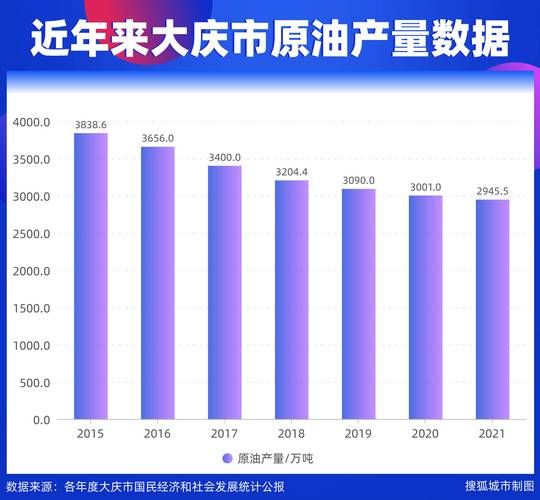
Low oil prices often result in significant loss of liquid assets and reduced profitability for oil enterprises, and without adequate financing some high-risk exploration projects will be significantly reduced and ongoing hydrocarbon exploration projects may have to be halted. This tends to lead to an incalculable asset base for our hydrocarbon resources, to the detriment of the rational use of existing hydrocarbon resources and to the future stabilization of china's hydrocarbon supply. The maintenance of basic stability in hydrocarbon exploration and exploitation is therefore an important task. In the case of lower crude oil prices, the state is required to support hydrocarbon enterprises in carrying out resource exploration projects through the oil price management risk reserve to ensure the proper exploitation of hydrocarbon resources. Further support for subsequent exploration projects could also be provided through, inter alia, concessional credit resources。
There is a greater need to guarantee reasonable hydrocarbon consumption when oil prices are low and to ensure the proper operation of oil and gas enterprises. Low oil prices are undoubtedly a very bad case for marketing enterprises, with low retail profitability, wholesale losses, and the risk of serious financial overhang, which may even lead to corporate bankruptcy, which may lead to an increase in bank bad debts and an escalation of financial risk. Thus, the state needs to pay attention to the survival of oil and gas enterprises and help them to survive by providing adequate financial subsidies。
2. Increase national strategic reserves and increase reserve space
Oil prices have fallen sharply to negative values, yet oil companies may not have been able to buy these low-priced crude oils, which is usually a trade price for financial instruments. Negative oil prices are future prices only, not spot prices. Thus, even if the price of crude oil futures is negative, this does not mean that the gas station will give red packages to the owner while refuelling the car. It was the light crude oil futures contract in may that fell to a negative value, not the spot price of crude oil, nor the price of finished oil. However, even maintaining the price of crude oil at around $20 per barrel is low in history. This is clearly in the interest of increasing our oil reserves. However, an increase in oil reserves requires attention to two key issues, namely, costs, which include transport costs, management costs and the cost of stock depletion. In addition to generally recognized economic transport and management costs, oil still loses large volatile light hydrocarbon components in the reserve process, an abnormal loss that is difficult to control. Secondly, there is the issue of security, with the flammable nature of oil, which needs to be strictly managed in the storage process. Oil spills can cause serious environmental pollution, damage to ecological chains, and may even threaten human life; managers of oil reserves need to be vigilant at all times in choosing suitable pipeline designs to monitor the physical characteristics of pipelines, such as delivery pressure, temperature, etc。
3. Sustained increase in critical technology and equipment coverage
Taking advantage of the low price of oil, the development of technologies for oil and gas production and use could be enhanced. On the one hand, there is a need to upgrade current oil and gas production technologies, both for oil and gas exploration technology and for equipment upgrades, and for catalyst upgrades in petroleum refining, low-carbon and desulphurization technologies. On the other hand, oil- and gas-use technologies can be updated and upgraded. China's current energy efficiency is still below that of developed countries, and reducing the consumption of oil and natural gas by industrial enterprises through increased investment in research and development would help reduce energy efficiency. China has proposed energy-saving targets for the reduction of energy consumption per unit of GDP in its 11th five-year plan, yet existing studies suggest that the distortion of factor input structures could result in a decrease in overall factor productivity. This low oil price phase, on the other hand, can alleviate the pain of corporate productivity losses caused by energy restructuring. Therefore, reducing technological bias in fossil energy at the overall level would benefit energy security and environmental protection in future countries。









