


1. 1 concept and definition of sensors
1. 1. 1 concept of sensors
Sensors are the tentacles of humans to discover information from nature, which originate from the word “feel”。
Sensor is a device or device capable of regularly converting a specific detected signal into a form of a usable signal output to meet the requirements of transmission, processing, recording, display and control of information。
1. 1. 2 definition of sensors
Sensors are devices or devices that are capable of (or responsive to) being measured and converted to usable output signals according to certain patterns. In a broad sense, a sensor means a device that acts as a signal detection in the measurement device and the input into the control system. Sensors are narrowly defined as devices or devices capable of converting external non-electric information into telecommunications output。
Role of 1. 2 sensors
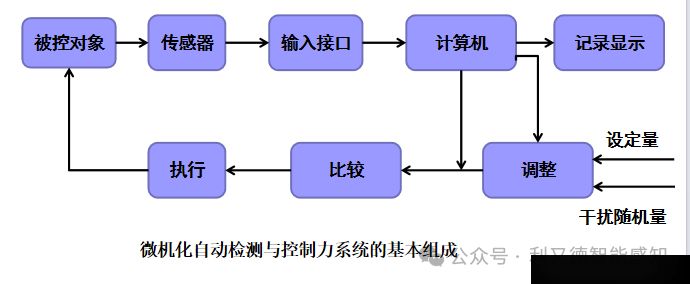
(1) the role of sensors in industrial automation systems
(2) the role of sensors in aerospace
(3) the role of sensors in resource detection and environmental protection
(4) the role of sensors in the field of medicine
(5) role of sensors in home-based electronics
(6) the role of sensors in the military field
1. 3 basic composition of sensors
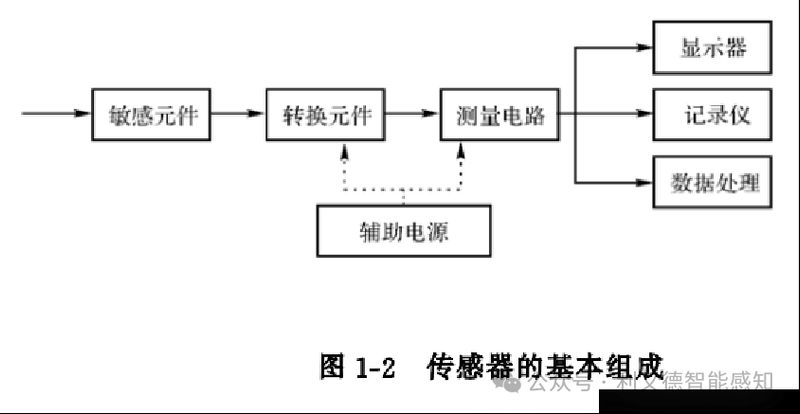
Sensors typically consist of two basic components: sensitive elements and transformation elements。
It should be noted that not all sensors include sensitive and transformational components, and some sensors do not require pre-modified sensitive elements such as heat-sensitive electrical resistance, photoelectronics, etc。
1. 4 classification of sensors
1. 4. 1 classification by input (detected object)
The input amount is the object that is detected, and the sensor can be classified according to this method into three main categories: physical, chemical and biomass。
Sensors can be divided into analogue sensors and digital sensors by output volume。
Simulation sensors are those whose output signals are simulated. Digital sensors are those whose output signals are numerical。
1. 4. 2 classification by output
Sensors can be divided into analogue sensors and digital sensors by output volume. Simulation sensors are those whose output signals are simulated. Digital sensors are those whose output signals are numerical。
1. 4. 3 classification by fundamental effects
Sensors can be divided into physical, chemical and biological types based on the underlying effects implied by sensor technology。
1. 4. 4 classification by rationale
Sensors can be named according to their working principles, such as mutation sensors, capacitating sensors, electro-sensors, voltage sensors, thermoelectric sensors, etc。
1. 4. 5 classification by energy transformation relationship
The sensor can be divided into an energy transformer sensor and an energy control sensor depending on the energy transformation relationship。
1. 5 basic properties of sensors
The sensor is the basic device for the sensor function, the input and output relationship characteristics of the sensor are the basic characteristics of the sensor and the external characteristics of the internal parameter function of the sensor, which are determined by the different internal structure parameters of the sensor。
1. 5. 1 static properties of sensors
The static properties of sensors are the output and input relationships when measured values are stable。
Linearity
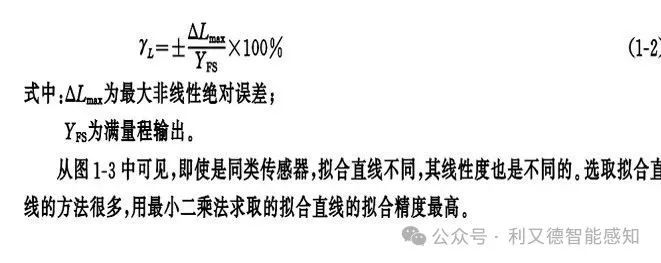
The linearity of the sensor is the degree of linearity of the quantitative relationship between the output and input of the sensor. Output and input relationships can be divided into linear and non-linear properties。
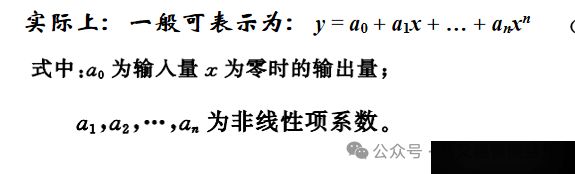
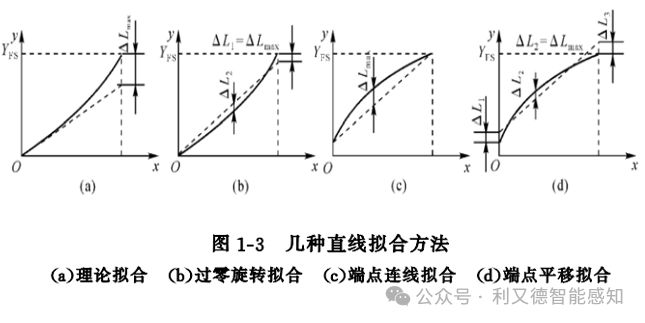
The deviation between the actual properties curve and the proposed line is referred to as the non-linear error (or linearity) of the sensor, usually expressed as a relative error。
Sensitivity
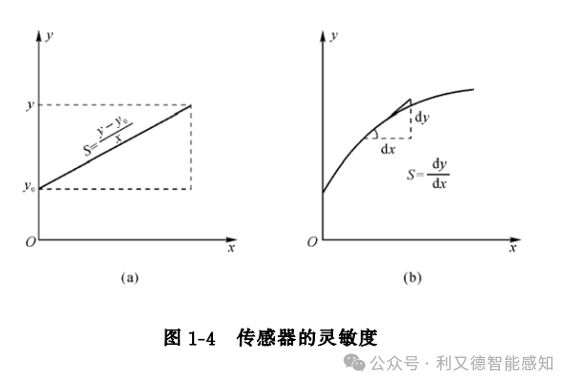
Sensitivity of the sensor is the ratio of output to input changes caused by the output change upon reaching a stable working state, i. E
3. Delay
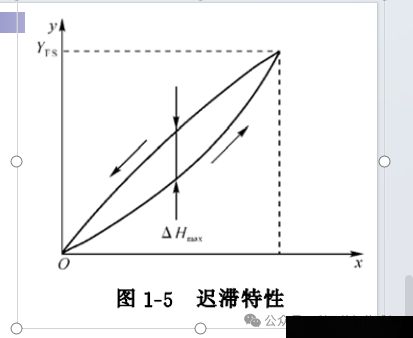
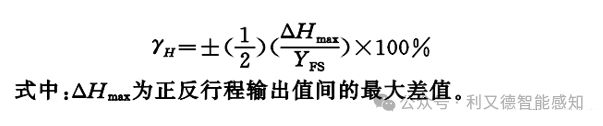
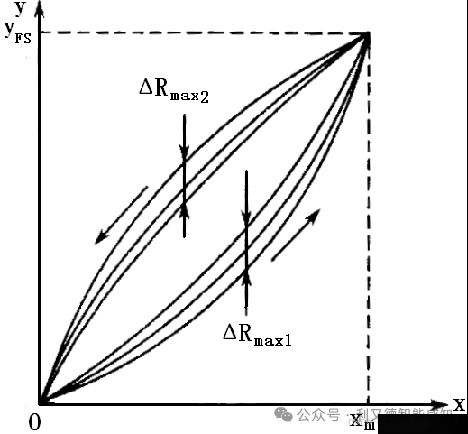
Delay refers to a phenomenon where the sensor does not match the input curve in a positive and reverse process, as shown in figures 1-5. The value is expressed as a percentage of the maximum deviation or half of the maximum deviation and the full range output value:
4. Duplication
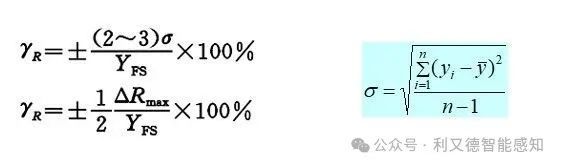
Repeatability refers to the degree of inconsistency in the characteristic curves obtained by the sensor when the input volume changes in the full range in the same direction。
Repeated error is a random error, commonly used as a standard deviation, and can also be expressed as the largest deviation in a positive and negative process。
5. Resolution and thresholds
Resolution is the smallest input increment that the sensor can detect. The resolution can be expressed in absolute terms and as a percentage of the full range. The resolution near the input point zero is called the threshold。
Temperature stability
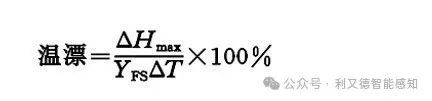
Temperature stability, also known as temperature drift, indicates the degree of deviation in the output value of the sensor when the temperature changes and is generally expressed as the maximum deviation of the output at 1°c as a percentage of the full range。
1. 5. 2 dynamic properties of sensors
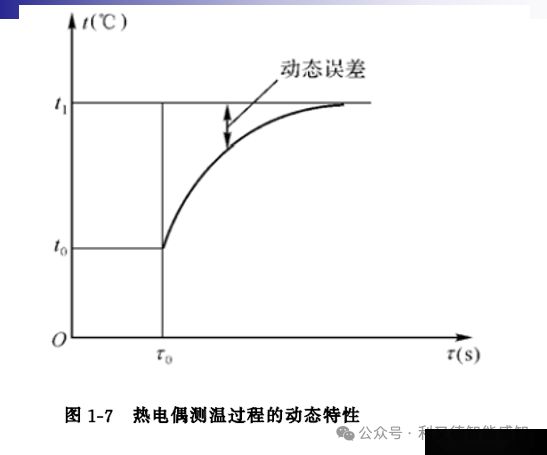
The dynamic properties of the sensor are those characteristics of its output that respond to input volumes over time。
The difference between the output and the input is what is called a dynamic error
1. Transient response characteristics
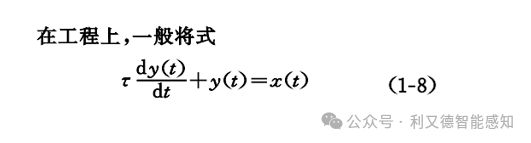
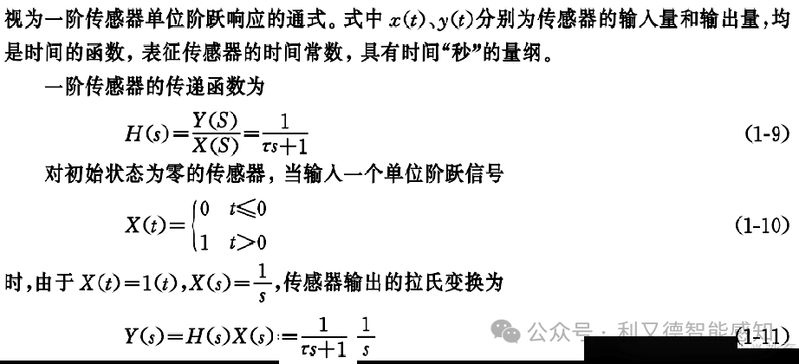
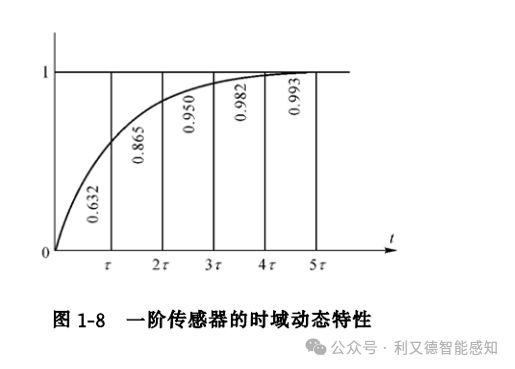
(1) unit scale of the first-order sensor response
(2) indicators of transient response characteristics
One-time constant: the smaller the first-order sensor's time constant, the faster the response time。
2 delay: 50 per cent。
3 rise time: 90 per cent。
4 ultra-modulus: the maximum value exceeding the steady-state value。
2. Frequency response characteristics
Responsive properties of the sensor to the sine input signal
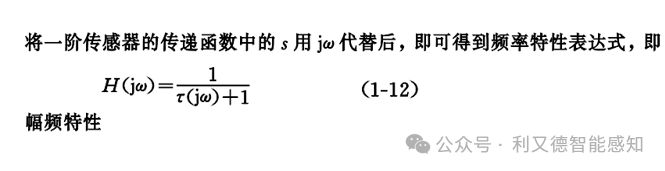
(1) frequency of primary sensors response
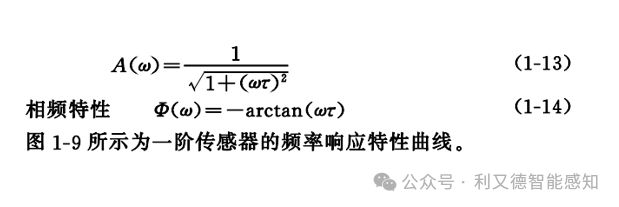
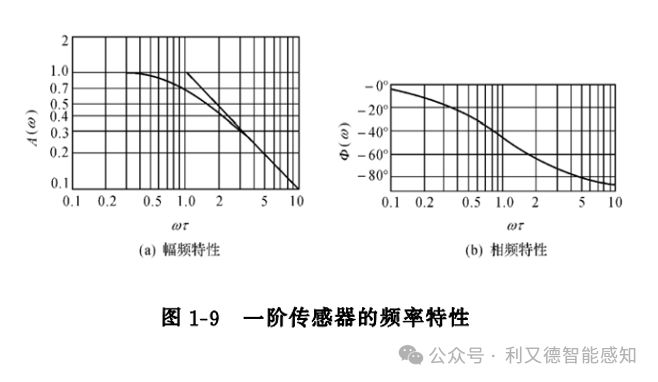
(2) indicator of frequency response characteristics
1 frequency band: sensor gain is within a range of frequencies within a given value, the sensor frequency band or the universal band, for which there should be an upper or lower cut-off frequency。
Two-time constant。
3 inherent frequency ωn。
Summary of this chapter
Non-power electromechanical techniques have become an essential component of various fields, particularly automated measurement and automated control systems, and sensor technologies that enable non-electrical electromechanical techniques to be realized are undoubtedly key to these systems. Sensors are developed on the basis of certain physical, chemical, biological effects or principles. Sensors designed for a principle can measure multiple parameters, and a parameter can also be measured with different sensors. Sensors can therefore be classified according to different methods. They can be measured or divided according to the principles of work, each of which has its own merit. In practical applications, the name of the sensor is usually named in terms of working principles and measured synthesizing, such as the diffuse silicon pressure sensor. The characteristics of the sensor are separated by static properties, which are mainly linear, sensitive, non-duplication, temperature and zero drift; the dynamic properties primarily take into account its bandwidth and frequency characteristics, which usually give only response time。









