


I'll tell you something
Large-scale trees are those that are grown in nurseries for several to ten years, with larger specifications. In general, five to eight years of nurseries are cultivated. The use of large-specified saplings in the greening of gardens is primarily intended to produce a view as soon as possible, to achieve the greening of the designed green trees, to achieve the staggered greening of flowers, and to perform as quickly as possible the beautification and purification of the environment。
Saplings grown in nurseries, with well-developed roots, perfect tree shapes, robust growth, larger tree sizes, are better adapted to the many environments where trees are planted, such as parks, sidewalks and others, and survive and grow successfully after planting. With the improvement of ecological and landscape requirements, most now require a crown transplant or a full crown transplant, as well as ensuring a high rate of tree transplantation. Today, i'm going to tell you all about big-scale tree breeding, seeding, planting and post-plant management
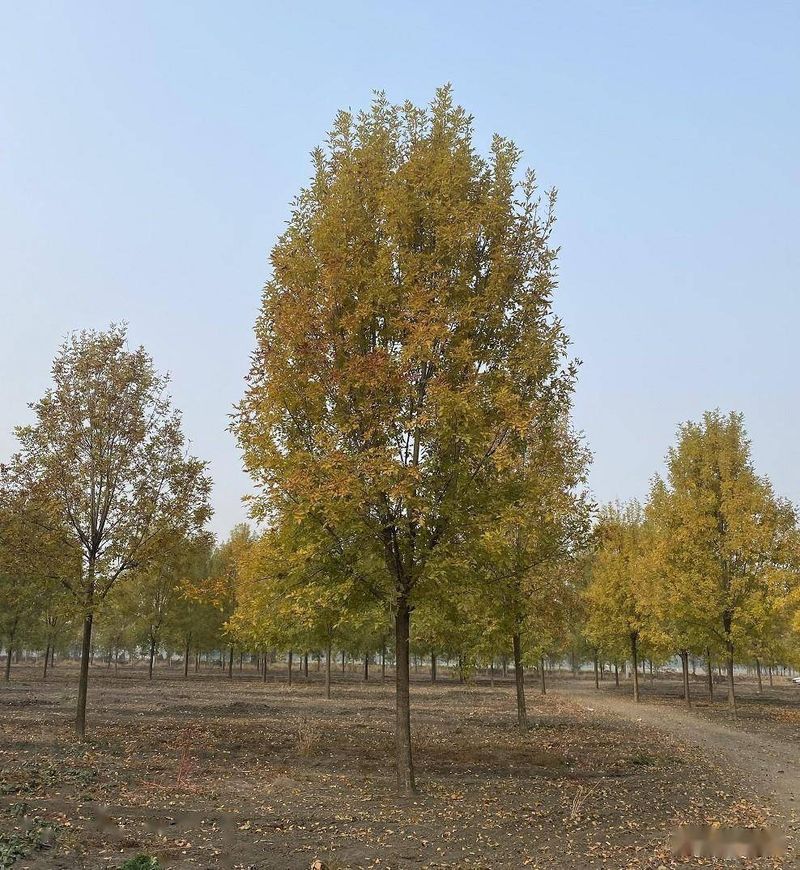
Large-scale tree breeding techniques
The planting of seedlings or nutrient breeding seedlings, which is operated by transplantation, is developed to increase the distance of the stands and to plant them in pre-designed nursery grounds so that the seedlings continue to grow and develop better. A seedling transplant is called a seedling transplant. Following the transplantation of the tree, the increased spacing of the plant, increased growth space, improved light and ventilation, enhanced management of fat water, together with sound integration and cutting, have effectively contributed to the growth of the tree, the development of good roots and tree formations, and the emergence of a high-quality seedling. At the same time, the transplantation process is also a phase-out, with the phase-out of small seedlings that are poorly grown, do not meet requirements or are not expected to develop into high-quality seedlings。
The role of the transplant
1. Providing adequate living space for trees
When growing seedlings, such as seedlings through seeding, embroidery, marriage, etc., the density of the seedlings, the growth of the seedlings as they emerge, the growth of the individuals of the seedlings, the interaction of the seedlings, competition for water, fattening, light, air, etc., severely constrain the growth and development of the seedlings and the need to increase the spacing of the tree. This can be achieved through seedlings and transplants. But the seedlings are wasted, and the trees left behind cannot cut their roots and stimulate their development. As a result, transplant methods are often used to increase the range of trees. The expansion of the living space, the full stretching of the roots, the further expansion of the tree shape, the full acceptance of solar light on the leaves, the enhancement of physiological activities such as photocosynthesis and respiratory activity of the tree seedlings, and the provision of a sound environment for their growth; it also reduces the growth of pests and diseases; it also facilitates day-to-day management such as fertilization, watering, shearing and mating。
2. Promoting root causes
At the time of transplantation, the primary and partial roots are severed, which stimulates the root to produce a large number of side roots, tectonic roots, fosters the growth and development of the root system, significantly increases the number of root roots in the root system, expands the area of absorption, forms a fully developed root system and improves the quality of the growth of the tree. In addition, transplanted seedlings are distributed in the shallow layers of the soil by cutting off their main roots, with a high number of absorbent roots on their rise, which will facilitate future greening of plant activities and growth with good greening。
3. Fostering beautiful trees
Following the transplantation, trees with poor tree shapes were eliminated, and the transplantation was followed by the expansion of the growth space of the seedlings, allowing the branches of the tree to extend fully into the tree shape inherent in the tree species. The tree formation is better suited to the greening needs of the garden, with appropriate orthopaedic and trim. There are other species of trees that can grow special shapes, such as dragon claws, through marriage, which produce beautiful tree shapes like umbrellas。
4. Rational use of land
Trees grow over different periods of time, with different sizes and different demand for land area. The greening of gardens uses saplings, with a reasonable density at all ages, depending on the size of the sapling, the characteristics of tree species growth and the characteristics of the group, in order to maximize the use of the land and produce as many high-specified and high-quality greening trees as possible on limited land and maximize the benefits of the land。
When transplants are carried out, they are usually graded, and a relatively large group of trees is planted in the same land, which is conducive to individual growth, integrity and balance, as well as to integrated management。
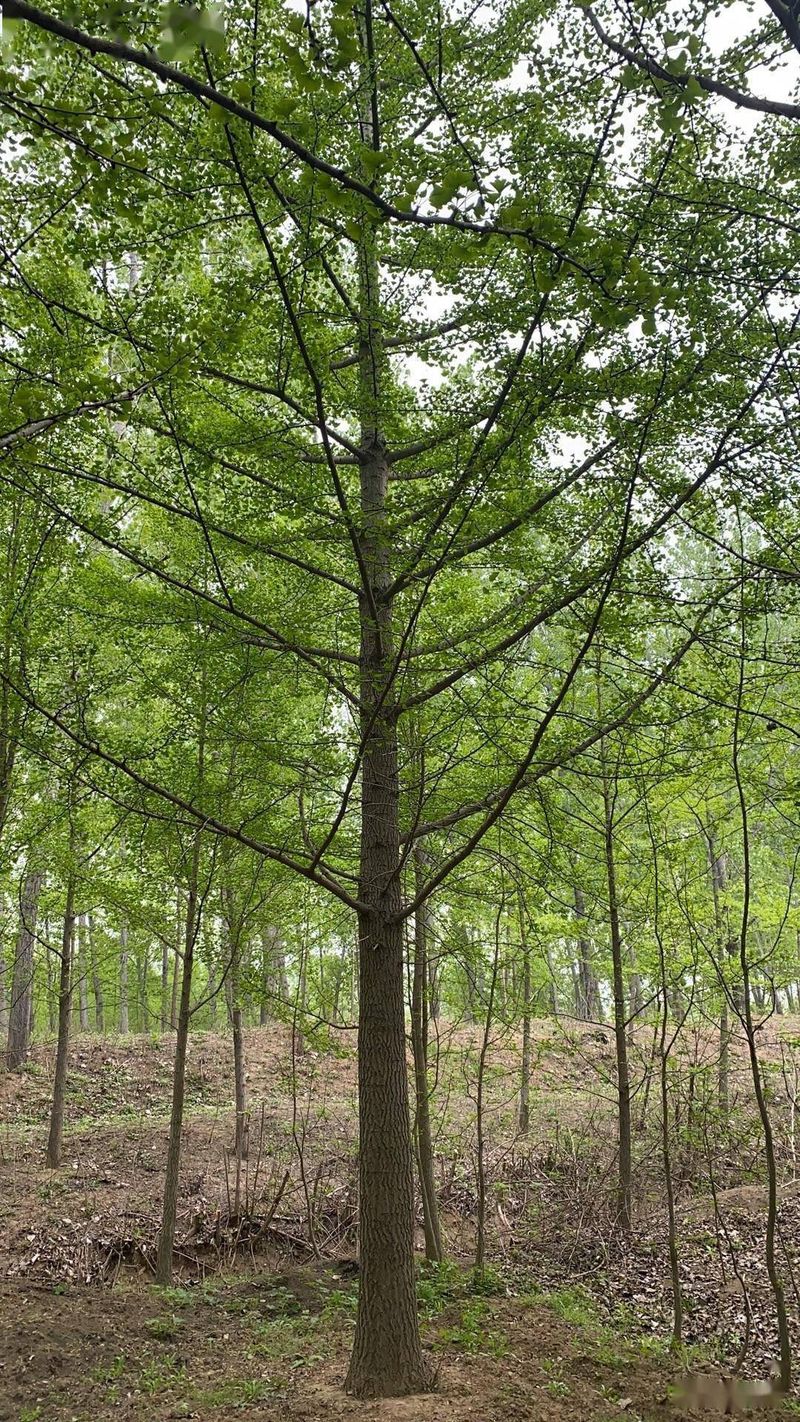
Key technology for transplantation
Number of transplants
The number of transplants is to be determined on the basis of the growth status of the tree and the specifications of the tree required. The first transplant is carried out at the age of one year and every two to three years thereafter. From 3 to 4 years old, 5 to 8 years old. In the case of needle tree species, transplants begin at the age of two years and thereafter every three to five years. She was 8-10 years old。
2. Porting time
The transplantation of trees in nurseries often takes place before the spring tree sprouts, in the autumn after the tree ceases to grow, and sometimes during the rainy season。
Spring transplant: after the spring soil is unfrozen and until the tree is fertilized, it is a suitable time for tree transplant. When the spring soil was unfrozen, the seeding of trees had not yet started and activity had begun. After transplantation, the roots can grow early and prepare for long-term absorption of the water supply. At the same time, when the soil is unfrozen until the trees are fertilized, the life activity of the tree is weak, the nutrients stored in the tree are not consumed in large quantities and are easily viable after transplantation. The spring transplants should be arranged in the morning and evening of the buds, in the morning of the buds and in the evening of the buds. In some cases, where there is drought in the spring, if adequate water supplies are not guaranteed after transplantation, the transplant time should be delayed or water conservation measures strengthened。
Autumn transplant: transplantation after slow or non-growing parts of the land in the autumn, i. E. When leaves fall from the tree to the end of the leaf; after the peak of constant green tree growth. At this time, the temperature is high and the root system can grow for a certain period of time, and the later roots can grow more and more together to prepare for the next year's growth. The fall transplants usually take place in warm and wet autumns, warmer winters, cold winters in the north and early fall transplants. Autumn transplants cannot be carried out in areas with severe winter temperatures and severe freezing。
The rainy season transplants: transplants are carried out during the summer season, most of them for the northern injection of needles, and for the southern transplant of permanent green trees. The season is characterized by heavy rainfall and humidity, smaller evaporation of trees, faster growth of roots and easier availability of transplants。
Winter transplants: warmer winters in the south and slower growth of tree seedlings, which can be transplanted in the winters; and ice-crumb transplants in the north。
The method of planting large trees
1. Preparation for planting
In addition to conventional tree specifications and coronals, tree selection is concerned with the pest hazard of the tree; the full integration of the estuarine with the mother's; and soil type, with sandy soil earthballs prone to dispersive conditions during transport。
Early research into tree growth, land conditions and the surrounding environment, whether it be a single transplant or a group or a small transplant, will be carried out to develop technical programmes and safety measures for tree transplantation。
An early seedling of the transplanted tree should be identified and clearly marked on the south side of the sun and the status quo should be buried deep。
If time allows, the roots may be cut early by a vertical projection of trees or 6-10 times the exterior, under the guidance of technicians。
2. Pre-plant soil preparation
Cultivated soil must be sufficiently thick to be fertilized, ventilated and drained. The soil of the site should be sterilised, fertilized and used before planting。
Three, dig
An artificial seedling must be careful to minimize the damage to the root system and, in the event of a poor soil sapling, water must be poured three to five days in advance, so that the soil in the root system distribution layer is humid and so that seedlings can take place. The size of the earthball shall be determined on the basis of the requirements of a and the size of the tree, which shall be 6-8 times the diameter of the tree's chest. In order to ensure the survival of the trees, the earthball diameter could also be increased appropriately. When excavating the earthballs, a hand saw is used to trim the roots so as to avoid tearing them up; and a pair of scissors is used to remove the extra root。
The earthball surface is as smooth as possible, removing the soil from the surface and entangling it with a leash or a swirl-free cord, while the earthy loitering should also be covered and wired outside the earthball。
(b) defoliation: the soil above the root neck of the tree needs to be removed in order to see the tree's neck or dig up more hair. It not only guarantees the integrity of the earthen ball on which the roots are carried, but it is also a guarantee of the aerobic after-transplantation。
Excavation: the earthball shall be 6-10 times the size of the chest of the tree and two thirds of its diameter. In the excavation process, it is necessary to keep a selective part of the soil in order to facilitate the growth of the trees。
Packages: in general, the packages are lined with leash, grasslines and entangled from top to bottom from the surface. When some soil is soft, it can be taped with brick sides to ensure that the ropes are tight, that the surface entanglement ends and ends at the bottom, and that the back belts follow the tree base, usually not less than 20 to 30 cm wide, to increase the strength of its packaged earth ball. (if transported far away, a thicker plastic film can be used to cover a layer)
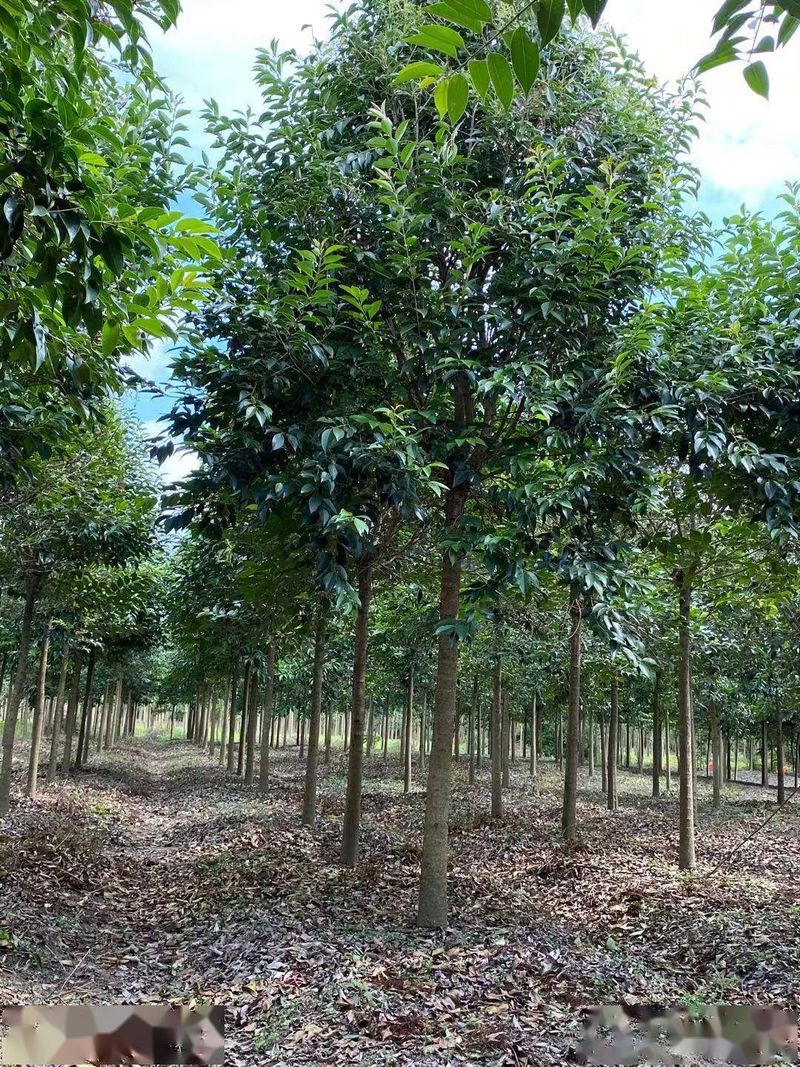
4. Transport by suspension
Anti-evaporation agents are applied for the transport of pre-leaf blades to control the closing of gas holes in the leaves and to reduce water evaporation. With a special strap around the base of the earthball, where the crane hooks gently pull and stabilizes, the earthball continues to draw its base to the smallest end with a steel shovel (with a roots cut)。
When a tree is hanging or when a large tree is loaded with a car, a buffer material must be laid on the location where the tree is in contact with the vehicle, and temperature-preservation belts or other cotton cloths are generally the best. Upon completion of the whole tree-loading vehicle, a sunnet is laid on the top of the vehicle, and the condition of the tree is checked at any time if the distance of transport is considered to be dark or evening。
(c) placing soft and soft items in the front of the transport vehicle so as to avoid direct contact between the car and the ground floor of the earthball, and setting up a support frame in the back of the vehicle to ensure that the trunk does not fall on the bottom of the vehicle or on the fence. When the tree is large, it should be chained to two thirds of the trunk in a directional adjustment rope。
The cranes must stand steady and be afraid to rise and fall, and if the trees are larger, they can easily be squeezed to the width of the car by a tight rope that can be attached to the tree canopy。
5. Digging pits
In determining the den, as much space as possible is left according to the size of the tree earthball, which is generally determined to be more than 60 centimetres in diameter of the tree earthball, and may be appropriately extended to about 1 metre if conditions permit。
If the tree is planted in low-lying areas or in smaller dens, an asphalt layer can be laid at the bottom of the tree, and a venting pipe can be laid on both sides of the tree, increasing the ability to see and see. The laying of drainage pipes at the bottom should also be considered when rain is abundant or when water accumulates within the den。
When the caves are dug, the “trisilver” (soil disinfectant) is administered to disinfect the whole tree。
6. Large tree planting
The caves and ponds shall be dug into the original earth layer, which, in the deeper part, shall be filled back to the depth required by the earthball, generally not exceeding 1. 8 cm, and shall have a calibre greater than 60 ~ 80 cm。
When the tree pool is under a viscous, sandy soil should be improved early, and the viscous soil can increase the “ventilation tube”。
The base of the tree pool shall be paved with a loose layer of fertilized soil, thickness > = 10 cm。
When discharging a earthball, care shall be taken of the shade of the tree, and first to the bottom of the earthball, to remove the packaging, to fill it in layers, and to bury it in the deep line where the trees were buried。
Hold the pole, hold the windline, and ensure that the tree is solid。
Water should be watered slowly and slowly by gushing, depending on the season, using different water methods, with no less than three perusals。
Support is provided in a timely manner to avoid late-stage tree shaking affecting the roots and survival of the plant. The location of the support is determined by tree size and local meteorological factors. It is generally appropriate to support two thirds to one half of the height of the plant. Use buffer material to support positions in contact with trees. Reduction of post-mortem rocking to support damage to tree stem。









