


I. Structure of the urinal tract and gender differences
Male urinal tract 1.
The length is about 16-22 cm, divided into three parts of the prostate, membrane and sponge. In addition to urination, it is responsible for the delivery of semen during ejaculation and is therefore associated with the function of the reproductive system。
Female urinals.
It is only 3-5 cm long, short and straight, and closely adjacent to the vagina and anus, making it more likely to cause urinary or bladder inflammation due to bacterial reverse infections。
Ii. Main functions of the urinal tract
Eject urine.
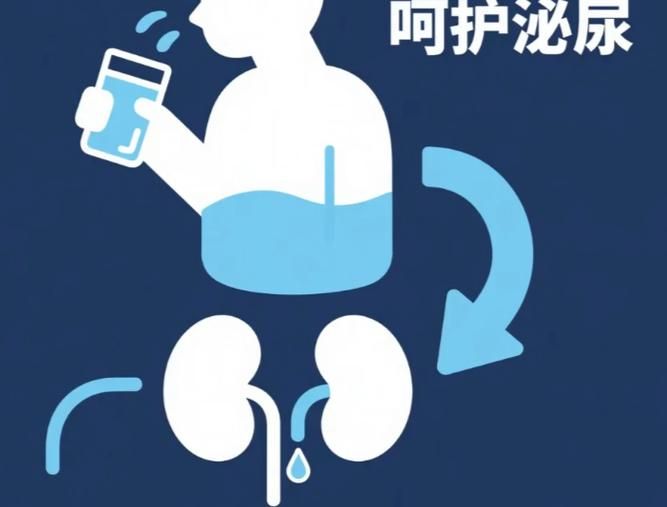
The urine is produced from the kidneys, enters the bladder through the tube, and when the bladder is full, the urine is completed through the laxity of the urethromatology and the expansion of the urethrope。
Male reproductive support.
When ejaculation occurs, the urine is transported from the vasectomy to the in vitro, when the vesico-negative muscle shrinks to prevent the urine from mixing。
Common urinal health problems
Diarrhoea infection (urea tractitis).
Renal or bladder stones may cause obstruction when they enter the urea, causing severe pain, difficulty in urinating and need to be removed through medication or surgery。
There's a narrow urethroscope or damage.
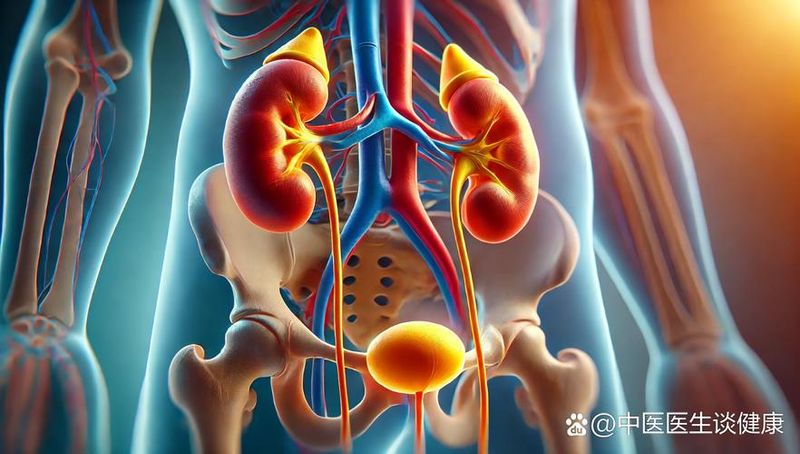
Traumas, repeated infections or medical operations (e. G., guide urine) can lead to narrow urinal tracts, manifested in thinness of the urine flow and heavyness of the urine, to be repaired through expansion or surgery。
Measures to maintain the health of the urinal tract
Keep clean 1. Adequate drinking water 2.
Drinking 1. 5 - 2 litres per day can dilute urine and reduce bacterial growth, while helping to flush the urea。
I don't want to pee.
The ease of holding urine for long periods increases the bladder pressure and the back flow of urine increases the risk of infection。
Sexual health 4.
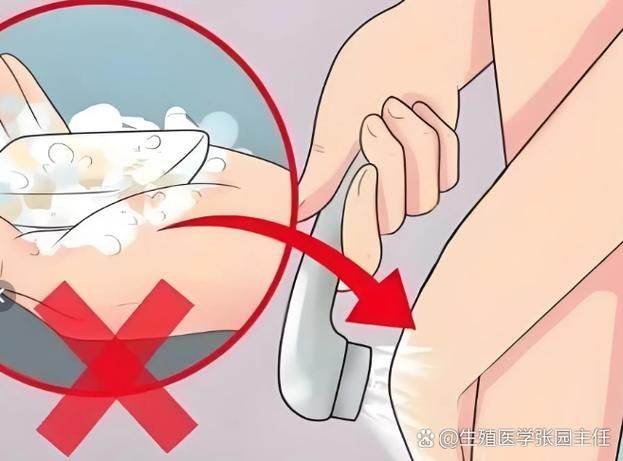
Pre- and post-sexual activity, using condoms where necessary, reduces the probability of pathogen transmission。
Timely medical attention.
In the case of urination abnormalities, pain or secretions, the cause of the disease should be identified as early as possible to avoid delays leading to chronic inflammation or complications。
V. Special group attention
Most urinary tract problems are effectively controlled through scientific prevention and timely intervention. If the symptoms are repeated or aggravated, they need to be further assessed through an ultrasound, urine culture, etc。









