One minute! Two seconds on tariff quotas
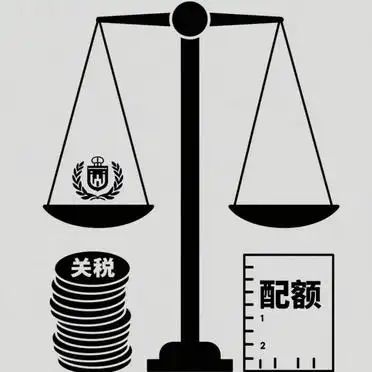
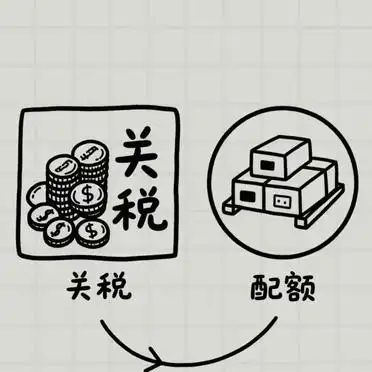
Taxes (tariff) and quotas (quota), common concepts in economics, do you get confused every time you mention them? Don't worry. I'll take you a minute to figure out the difference
First, tariffs, in short, import duties. When you buy a foreign commodity like the original $100 imported lipstick, if you add a 10% tariff, the price becomes $110. Tariffs are equivalent to the cost of passing goods, which foreign goods have to pay to enter the domestic market。
The effect of tariffs on consumers is to make goods more expensive. Imported vehicles, for example, are likely to double domestic sales prices because of high tariffs. For suppliers, the cost to foreign producers increases, either by raising prices or by transferring production sites, and market shares may also be reduced. Domestic producers, for their part, have increased sales in the short term, but in the long run, lack of competition may lead to under-innovation。
Again, the quota is the maximum amount that the government can directly prescribe for certain categories of goods. For example, only 10,000 branded mobile phones are allowed to be imported each year, which is the quota limit。
The effect of quotas on consumers is the limited supply of commodities. For example, when you run out of hot imports of milk powder, you either buy "cow" at high prices or wait for next year. For suppliers, export volumes from foreign producers are limited and product structures need to be optimized, such as primary price increases. While market ownership by domestic producers would be enhanced, over-reliance on policies would also be vulnerable to quota liberalization。
Tariffs and quotas also affect governments differently. Tariffs are equivalent to government revenue collections, which contribute to rising prices and which directly enrich the treasury. Where quotas are not well regulated, they are prone to corruption, such as the stow-in-the-house quotas for officials and even bribes。
Clarifying the distinction between tariffs and quotas helps us not only to understand economic principles, but also to save money to avoid pitfalls. For example, next time you read the news about “tariff increases” or “import quota adjustments”, you can see what the impact would be on commodity prices and supply, and can consumption be more rational
Finally, while tariffs and quotas are fundamental concepts in economics, they are somewhat confusing. Every time an examination is taken, many people wonder how they affect supply demand. But it doesn't matter. If we try to understand, we'll figure it out