


With advances in technology, the new vehicle has become increasingly well-equipped, with a growing number of models with the "autohold" function, which seems mysterious and strange to many owners. Today, we come to the field to analyze autohold's work and its application and to lift the veil behind it。
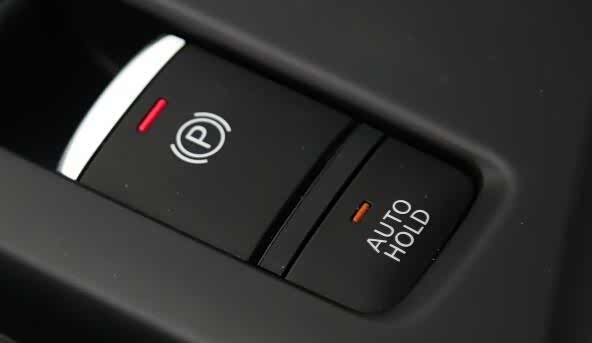
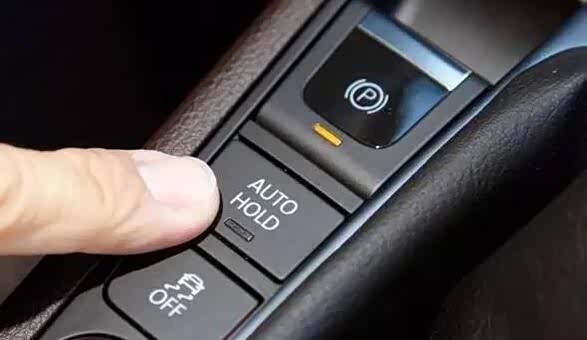
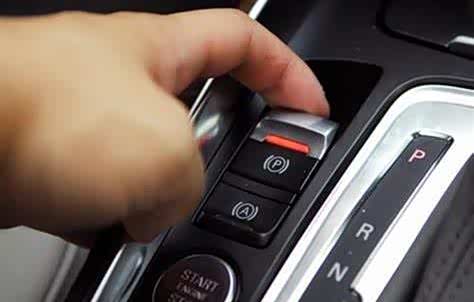
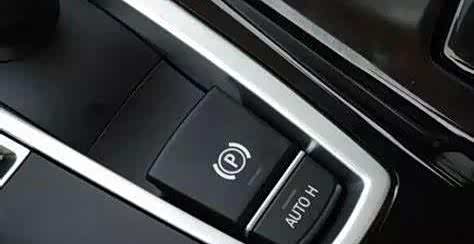
Autohold buttons are usually located near the electronic handbrake and only need to be activated with one key, and a sign will appear on the dashboard to represent the status of the vehicle. There is a slight difference in the way different brand models operate, with some of them automatically triggering autohold after brakes have been put to the bottom, with easy and easy experience of stepping. The core principle of this function is not complicated - when you stop, the system automatically presses the brake, which is equivalent to stepping on the brake pedal for you, and the brakes are released quickly when you press the oil again。
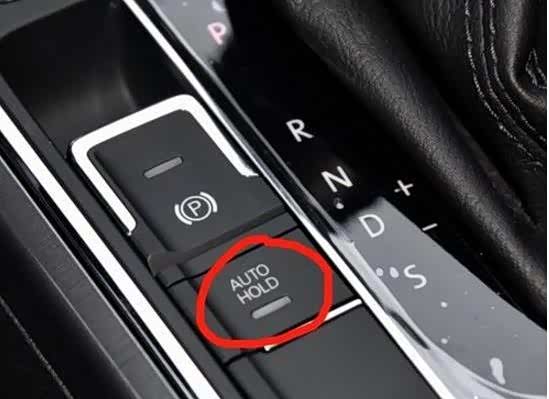
There are many doubts about the reliability of autohold. In fact, it is one of the key components of vehicle safety, and the enterprise has been designed with due regard to the safety of the various scenarios. For example, when the driver unzips the seat belt or opens the door, autohold automatically removes the vehicle and switchs back to the electronic hand brake mode. While waiting for a red and green light, many feared that automatic stationing would result in constant confrontation between engines and gearboxes, thereby affecting vehicle performance。
In practice, however, they all have mechanisms to prevent this from happening, whether it is an auto-stop-mounted liquid rectangular or a bipartite transformer. The liquid rectangular will be locked at the end of the output while the vehicle is stationary and only the engine will be allowed to turn empty; the two-franchise model will cut off the clutch connection while the vehicle is parked and completely cut off the power transfer of the development motive to the gearbox. Even cvt models do not cause unnecessary wear and tear when using autohold。
Autohold is much more functional than urban roads, and it plays a role on the slopes similar to that of uphill support. It is envisaged that you will be parking fees on the ramp in the mall parking lot, and that the autohold-capable vehicle will remain stable after the brakes have been released until you have increased the level of oil doors to ensure that the vehicle has sufficient power to overcome the ramp resistance, thus significantly reducing the pressure on the new drivers to start on the ramp。

However, closure of autohold may be a better option for new drivers in certain specific circumstances. For example, when back-to-back in the garage, because of the need for precision control of the oil door to disable the brakes, some users may be overstretched by the presence of autohold, leading to accidental collisions. As a result, some models automatically disable autohold when they fall back, or it is the driver who determines whether or not to operate。
In conclusion, autohold, which appears to have high-tech content in common, not only solves the problem of parking for long periods of time, but also gives additional security to drivers in various road conditions. So, in the face of these emerging intelligent configurations, have you, as the owner of the car, fully used them to add points to your driving life? Let's try to activate autohold before the next drive, and feel the light grip of technology









