


Summer of inflammation, from the south to the north, with a warm and warm scene. In the office and living room, air conditioning became the “life-saving straw” of the summer. Imagine, in the middle of the afternoon, we were tired of pressing the remote, looking for a cooler one, and we found the air conditioner blowing out a hot wind. It's not just disappointment, it's more like a "treachery" in the summer. According to data on household electricity maintenance, this phenomenon accounts for more than 20 per cent of summer complaints, especially in the humid areas of the south and the dry and hot regions of the north. Why did the air conditioners "rebel" out of the cooling mode? Is the equipment old or is it hidden
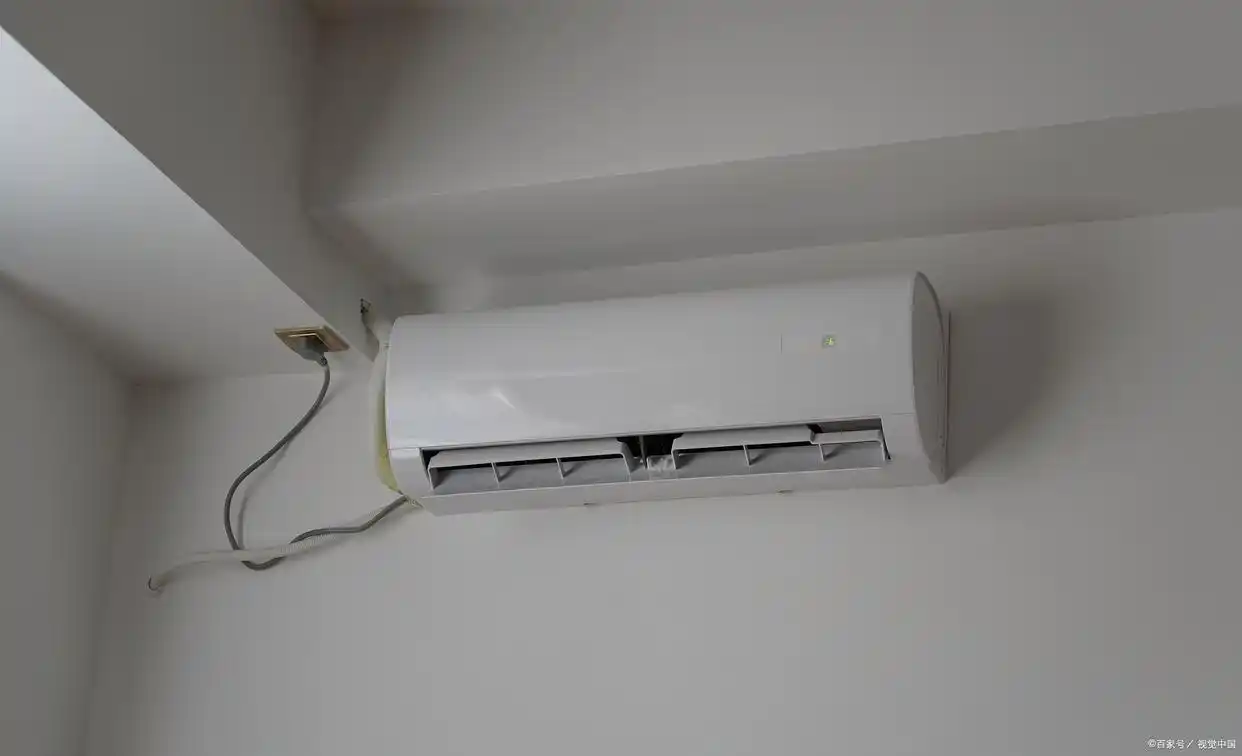
First, understand the principle, then solve the puzzle..Air-conditioning refrigerationThe secret garden
Air conditioners are not simply “cold winding”, but rather are cooled through a sophisticated heat transfer mechanism. Core components include compressors, evaporationers, condensers and current-saving devices, which combine to form a closed refrigeration cycle。
In brief, air conditioners use refrigerants (e. G. R410a or r32) as “stealers”. In indoor evaporation units, the refrigerant absorbs room heat and becomes a low-temperature low-pressure gas; it is then compressed by the compressor, and sent to the outdoor condenser to release heat into high-temperature high-pressure gas; and finally, it recycles through the throttle-reducing device. Throughout the process, the wind from the indoor aircraft is cooled by the evaporation unit in the direction of a cooler wind, while the outdoor aircraft excrete the heat to indicate that “the heat has shifted”。
If the cycle breaks down or is unbalanced, the indoor aircraft cannot effectively cool the air, replacing it with a wind machine that simply stirs up the indoor hot air — the result is the vexing hot wind. The principle is clear, the problem is diagnosis。
A large inventory of common causes - from operational errors to hardware hazards
Reason one: the remote control is an invisible killer
The simplest, but most common, “pot” is often thrown at the user himself. Air-conditioning remote control buttons are dense, and you press the wrong pattern without paying attention. For example, cooling is wrongly set as a wind delivery or automatic mode. In wind delivery mode, air conditioners only operate wind machines, do not activate compressors and cooling cycles, and the air-temperature of the room, which in summer is no less than a hot wind. Furthermore, air conditioners may be “self-advocacy” switching mode if the remote control battery is low and the signal is unstable。
In addition, some users are accustomed to using an "automated" model to assume that intelligent temperature regulation is sufficient. In high temperatures, however, air conditioners may enter the “wetting” or “energy-saving” sub-models for a short period of time, leading to early wind warming. Data show that hot winds caused by operational errors account for 30 per cent of the total。
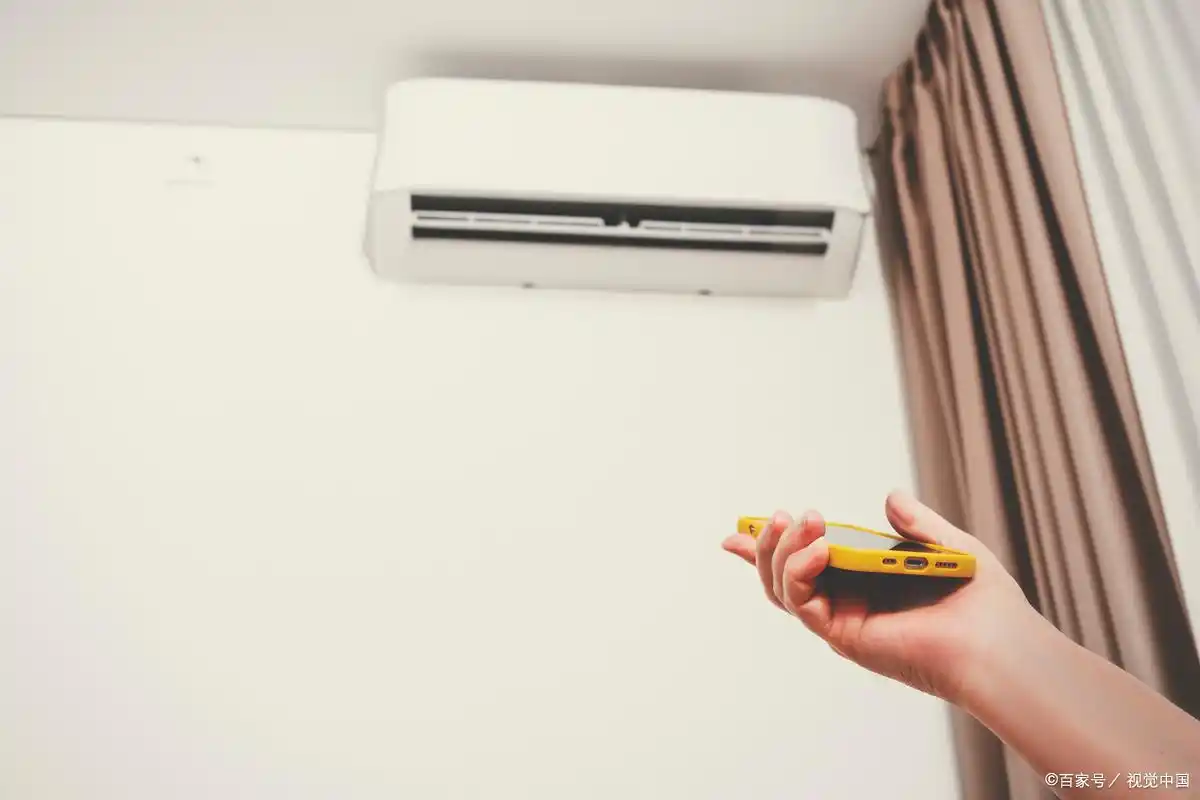
Method of resolution? Take a deep breath, check the remote control: confirm the pattern as "cool" and move the wind to the middle and upper stages at 24-26°c. If the remote control is ageing, it is recommended to replace the battery or to use ap controls to avoid “human error”。
Reason two: refrigerant shortages and the embarrassment of a cycle of “food loss”
Refrigerant is the “blood” of air conditioning, without which the circulation is paralysed. Frion (refrigerant) is slowly lost because of loose or leaking pipes, often after 3-5 years of use. The result? The evapotranspirers are unable to inhale sufficient heat, and compressors turn, but the cooling effects are significantly reduced, with indoor wind blowing close to room temperature and even some extra heat。
In the southern moist rainy season, the problem is even more acute: humid air accelerates corrosion and pipe erosion exacerbates leakage. Symptoms are often: cold wind in the early stages of air conditioning operations, which warms up in half an hour; low heat in the outdoors, or leaks of “heavy”。
• diagnostic know-how: touching indoor air vents, 80% fluorine-deficit if the temperature is less than 2°c. Specialized maintenance requires pressure sheet testing, refrigerant supplementation and leak repair. Costs are low, but delays can cause injury to compressors and maintenance costs are doubled。
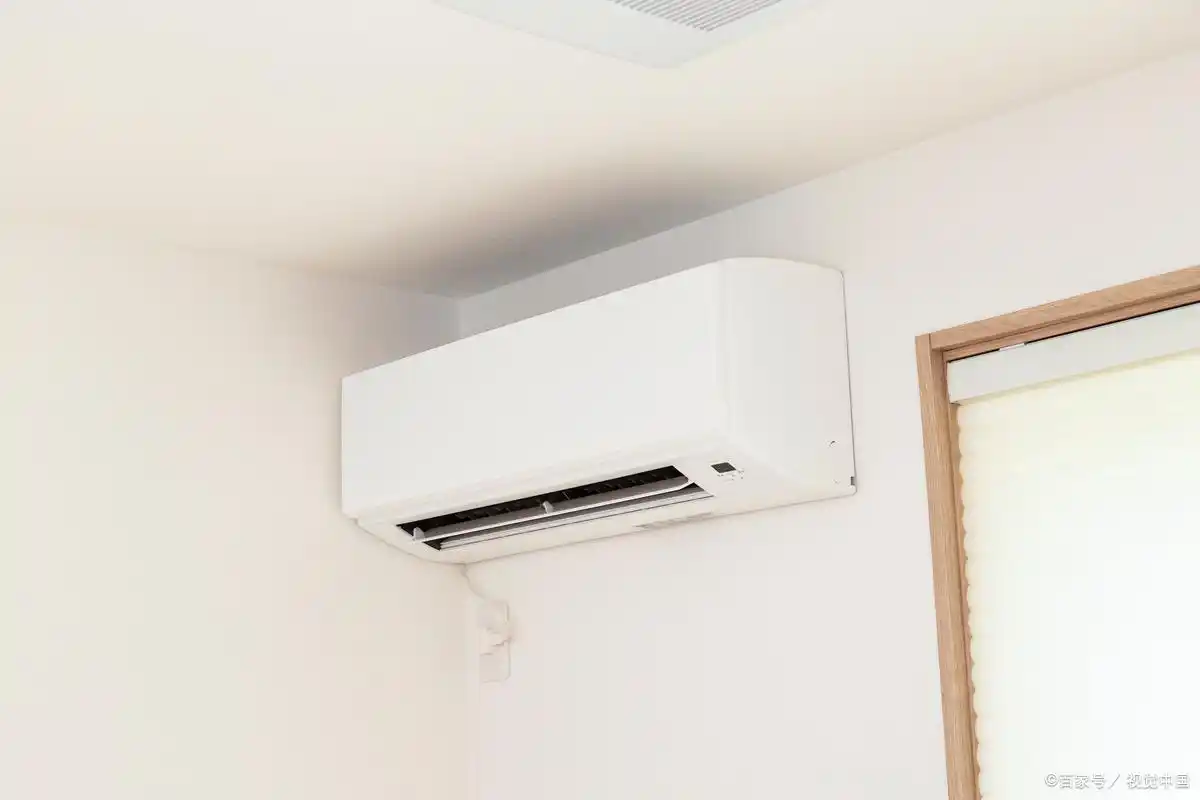
Reason three: compressor strikes, the "treasure" of the choreography
The compressor is the “heart” of the air conditioner, which is used to suppress the refrigerant. If it ceases to function, only the wind machine is “driven performance”, and naturally the indoor heat is blowing. This may be an overload protection mechanism triggered by high temperature and humidity, compressor pressure exceeded standard and self-detonated 5-10 minute cooling. Other contributing factors include initiation of aging electrical capacity, short circuits, or overheating due to dust accumulation。
In the dry regions of the north, voltage fluctuates (summer peaks) and compressors control panels are prone to burning。
Symptoms: air conditioner buzzing, but no cooling; briefly recovering after restarting, again。
• scrutinizing steps: the problem is here with the sound of the outdoors — if there is no “poll” start or intermittent stoppage of the compressor. Users do not take down machines on their own, and professional technicians are hired to measure circuits using universal meters. In terms of prevention, the installation of pressure stabilizers is particularly critical, especially in the old subdistricts, where electricity is unstable。
Reason iv. Environmental factors, “collective protest” at high temperatures
Don't blame air conditioners. Summer extremes are pushers. When outdoor temperatures exceed 40°c, the design limits of air conditioning are challenged, condensers experience heat dispersion difficulties, pressure surges, compressors enter protective mode, wind machines only operate and heat winds are blown out to prevent burning. Indoor factors must also not be overlooked, such as poor room seals and constant penetration of the hot air; or direct sunlight into an indoor machine, partially overheating。
Southern coastal cities such as guangzhou and shenzhen are often hit by “high temperatures + high humidity”, with a relative humidity of over 80 per cent and a lack of condensation of refrigerants, exacerbating problems. In addition, after the renovation of the new house, volatile organic matter (voc) was released to interfere with sensor judgement。
• response strategy: close the curtains and ensure that the doors and windows are sealed; high-temperature days, open half an hour early. In the short term, in combination with fan-assisted circulation air, long-acting machines are selected for adaptation to local climate。
Reason five: leach net and maintenance negligence, dust “silent invasion”
Air conditioners are required to “bath” regularly when they are human. The filter is blocked, air flows are blocked and the evaporation unit surface is frost or overheated and cannot exchange heat efficiently. The result? Cold output drops sharply and the wind warms. More seriously, dust enters circuit boards, triggers short circuits and compressors wrongly judge strikes。
According to the institute of home electricity, the annual clean-up rate for household air conditioning is less than 50 per cent, mostly due to “slazy” or unknown methods。
• symptoms: windy and slow cooling; touch indoor machines, surface hot。
• maintenance of guidelines: monthly water rinsing net (drying down) and annual professional cleaning of evaporation units。
• simple diy: power outages, fumigation of dust with soft brushes, squirming of special foams. Remember, dirty filters don't just blow heat, they hide bacteria, they affect health。
Reason six: disruption of sensors and accessories, "neurological disorders" of precision systems
Modern air conditioners rely on a mild humidity sensor. If indoor/outdoor sensors (e. G. Loose circuits, dust cover), the system is mistaken for “target temperature reached”, the compressor stops early, with only wind blowing. Cyclical balance may also be disturbed by the scalding or inflating valve failure。
In heavy-rained areas, lightning or wet-wet-prone electronic components。
• symptoms: temperature displays abnormalities, wind and heat。
• diagnosis tool: infrared thermometers are used to compare wind-to-wind differentials (normally 8-10°c). The replacement of spare parts is low but requires technicians to operate to avoid secondary damage。
Diagnosis and resolution, step by step “closure”
There's a hot wind. Don't panic. System screening is key。
Step 1: confirm mode and settings, restart air conditioner (10 minutes of extraction)。
Step 2: check filters and outdoor machines — clear the dust and make sure they are clean。
Step 3: temperature measurement - the wind is felt by hand or thermometer, and fluorine or compressor problems are suspected if room temperature is 3°c。
Step 4: audience — no heat or unusual noise on the outdoors, professional action。
• call the local telephone hotline if diy is not effective. During maintenance, test reports are requested to avoid “small illness”。
• budgetary controls: simple cleaning of $100-200, replenishment of fluorine 300-500 and maintenance of compressors in thousands。
Iv. Precaution and maintenance of air-conditioning “long life”
“the disease comes from the mouth” and the air conditioner “the disease” comes from negligence。
• day-to-day: weekly filtering, complete quarterly; in-service, avoiding 24-hour operation and intermittent rest。
• when installed, select a well-ventilated outdoor space and keep the pipes warm. The new machine is free of charge for the first year。
• in the long term, integration with intelligent homes: app remotely monitors temperature and abnormal alarms。
• a high awareness of energy conservation: temperatures of not less than 26°c and the saving of electricity and protective machines。
• under the “two carbon” target, low-gwp refrigerant air conditioners are being mainstreamed and environmental labels are being taken into account when selecting them。
Air conditioners blow hot air, which is just a summer episode, but reminds us that technology products need to be nurtured and accompanied. Through these reasons, has everyone taken care of themselves? The market for air conditioning is now moving towards efficiency and intelligence, but basic maintenance will never last. Next time the heat hits, don't let the hot wind disturb the dream - clean the filter, do the right thing, fix it in time









