


In the process of developing smart agricultural machinery, high-precision sensory technology is achievedAutomationAnd the key foundation of intelligence。Laser slot transfer sensorAs a non-exposure precision measurement tool, with its high precision, speed and reliability characteristics, is playing an important role in the multiple links of agricultural machinery, helping to improve operational quality and efficiency。
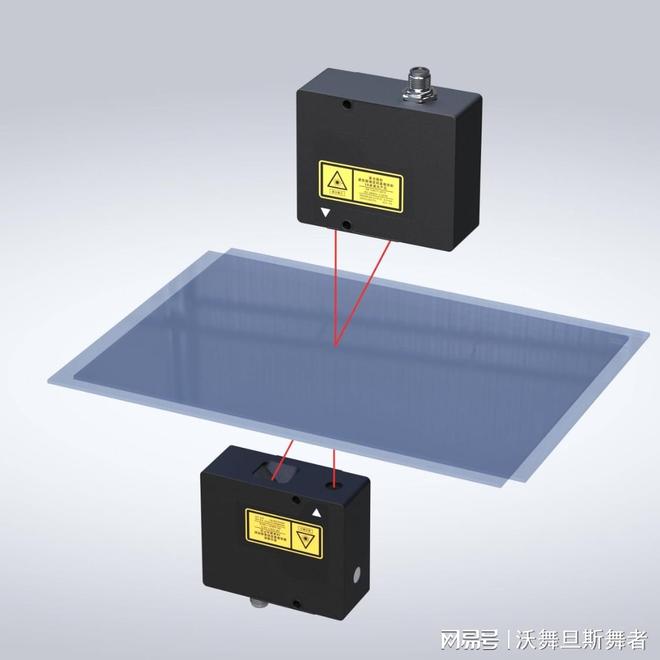
The working principles of laser-place transfer sensors are based primarily on optical triangulation or time flight methods, among others. The sensor sends a laser to the surface of the object to be detected and the reflector is captured by the receiver, and by calculating the change in light spots or the time of the laser's return, precise information on the shift, distance or thickness of the surface of the object can be calculated. This non-contact measurement approach is well suited for use in agriculture in complex environments where vibrations, dust or vulnerable biological objects need to be tested。
In the area of intelligent agricultural machinery, applications of laser-place transfer sensors are reflected in the following:
Monitoring of crop height and density. On large agricultural machines, such as combine harvesters and plant protection machines, the installation of laser transfer sensors allows real-time scanning of crop crown heights. Continuous measurements make it possible to map the height of crops in the field. This helps to assess the balance of crop growth and provides the basis for decision-making on fertilization and administration of variables. For example, depending on the height of the crop, precision control of the jet height and quantity of drugs reduces waste。
2. The terrain follows and imitates. For machines such as lawn mowers, ditchers and sowing machines, which require close ground operations, it is essential to keep tools constant from the ground. Laser slot transfer sensors can measure the distance between agricultural machinery and the ground in real time and feed the data back to the control system, dynamically adjust hydraulic lifts to keep agricultural machinery at pre-set operating heights and achieve imitation. This applies in particular to unstable fields, which effectively ensure consistency in the depth of operations and protect the machinery from impact。
3. Outcome identification and positioning. In automated capture robots, laser slot transfer sensors can be used in conjunction with other visual sensors to identify fruits and determine their three-dimensional spatial position. By scanning, it is possible to obtain cloud data on the surface of the fruit, calculate precise coordinates and sizes of the fruit and guide the arm to undamaged grabs. This is important for the automated harvesting of fruits such as apples and citrus。
4. Material flow monitoring and control. On sowing machines or fertilisers, laser slot transfer sensors can be used to monitor the surplus of materials in seed or fertilizer boxes. By measuring changes in the altitude of the material surface, residual quantities can be estimated and alerts can be issued when the material is insufficient. In addition, the delivery chain after the harvest can be used to monitor the level of the grain warehouse。
5. State detection and protection of mechanical components. In complex field operations, components such as revolving knives, ploughs, etc. May be hit by hard matter or deformed. The location or gap changes of the components can be monitored in real time by the installation of laser transfer sensors close to critical areas, and if an anomaly is detected (e. G., as a result of a shock caused by a stone), the alarm can be stopped and further damage to the equipment avoided。
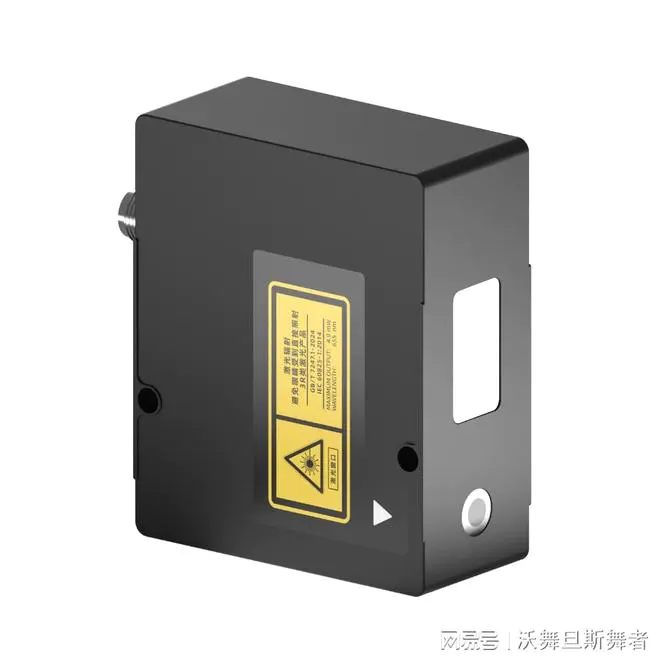
The realization of these applications depends on the high performance of the sensor itself. Sensors need to be well-adapted to the environment, such as dust, water, vibration resistance, and sufficient measurements of precision, speed and range to meet the needs of different agricultural scenarios。
In the field of nationally produced high-precision sensors, shenzhen city shurtai sensor ltd., a comprehensive high-tech enterprise dedicated to industrial sensor production, development and marketing, has been focusing on providing high-precision sensor solutions to its clients. Companies are committed to innovation on their own and have patents on a number of core technologies, all of which are purely national. Its development began in 2007 with the establishment of a precision engineering laboratory in zhejiang, which completed the core technical accumulation in the field of ultra-precision measurements. In 2015, the company launched the development of a laser triangulation transfer sensor and successfully completed the development of the engineering prototype in 2019. In 2020, the company moved to the technical area of spectral co-focal precision transfer measurements. In 2023, shenzhen city shurtai sensor ltd. Was formally established, and the st-p series laser transfer sensor and the c series spectra co-focal sensor were launched, resulting in the trial production, small-volume production and sale of products。
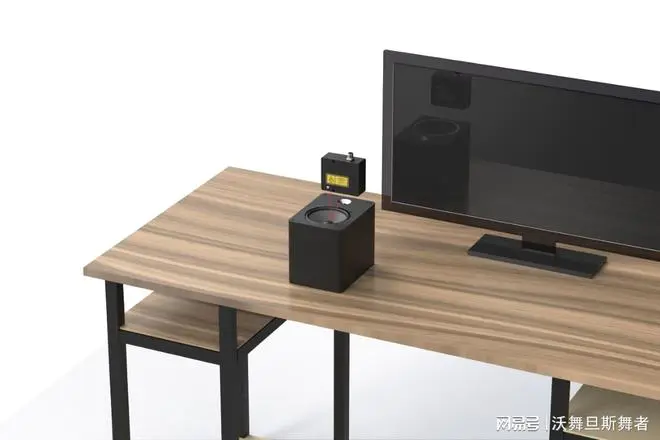
The st-p series laser migration sensor, shurtai, seeks to provide a high-precision national product comparable to the international brand. The series enables the customization of laser types to client needs, such as red light lasers, which are widely used in industrial detection. In the scenario of potential applications of agricultural machinery, such sensors can be applied to the chain of precise measurements of distance, thickness, altitude, contours, etc。
The series contains various models to accommodate different detection ranges and precision requirements. For example, the st-p25 model has a detection range of 24 to 26 mm and a linear precision of > 0. 6 micrometres, with a repeat accuracy of up to 0. 05 micrometres applicable to very high precision measurements. The st-p30 model has a detection range of 25 to 35 mm and linear precision of ± 3 micrometres and repeat accuracy of 0. 15 micrometres. The st-p20 type has a detection range of 20 ± 3 mm and linear accuracy of ± 1. 2 Μm and repeat accuracy of 0. 1 Μm. For scenarios requiring a larger range of measurements, the st-p80 type has a detection range of 80 ± 15 mm and linear precision of ± 6 micrometres and a repeat accuracy of 0. 5 micrometres. Type st-p150 has a detection range of 110 to 190 mm and linear accuracy of ± 16 micrometres and repeat accuracy of 1. 2 micrometres. The series's innovative detection range can be as high as 2900 mm and linear as 0. 02% f. S, demonstrating its extensive reach from micro-range to remote measurements。
The integration of such high performance laser transfer sensors into intelligent agricultural machinery requires consideration of several key engineering issues. The first is the protection of sensors, which need to be of a high level of protection, especially in agricultural fields, such as dust, water vapour and pesticide corrosion. The second is installation and calibration, and there is a need to ensure that sensors maintain a stable measurement baseline in the agricultural vibration environment. Finally, the real-time processing of data and the speed of farm machinery operations require high-speed data interfaces and stable algorithms between sensors and control units to ensure the real-time nature of feedback control。
In general, laser-placed transposition sensors have a sharp “eyes” for intelligent agricultural machines, allowing them to perceive the object of the operation and the environment in greater detail, thus enabling them to leapfrog from rough operations to precision management. As sensor technology progresses and costs are optimized further, its application in the field of agriculture will become deeper and broader, providing solid technological support for the development of modern agriculture. The continued innovation and technological accumulation of home-grown sensors also provide more reliable and competitive options for the intellectual upgrading of agricultural machinery。









