


Many friends have this question: sunlight is just an energy, not itselfElectricityWhy are you in the sunPhotovoltYou can do itPower generationWhat? A lot of people assume, of course, that the light voltage is a collection of the sun's heat that is converted into electricity, which is not really accurate。
Solar energyThere are two power lines. Don't get mixed up
The use of solar energy is based on two completely different routes. The first is photovoltaic power. The rationale is simply to pool the sun with a large number of mirrors, to concentrate on the heating tower, to heat the interior up to a thousand degrees celsius, to burn the water to high voltage steam, to drive the wheel to turn and to generate electricity from generators. The essence and the power of fire is a logic, but the heat is switching from coal to solar energy。
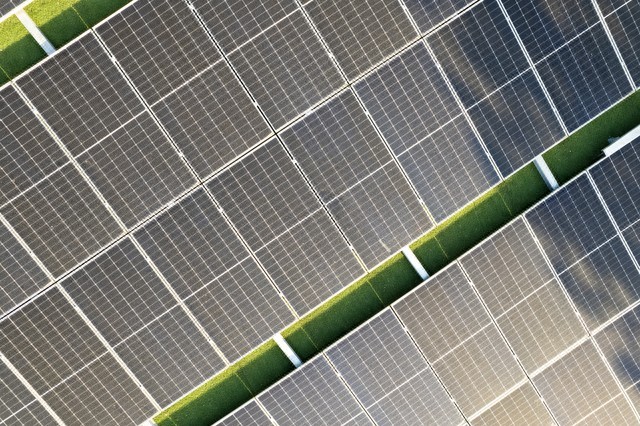
Can we save the water and turn light into electricity? That's what we use on the roof power station, which is what you call solar panels。
It's just plain sand
The core material of the light volts is derived from sand, where silicate dioxide is made of high-purified silica with high purity through multiple plating processes, and is made of silica rods and sliced into thin silica。
Pure silicon is itself stable, electronics are locked in and difficult to move freely, and resemble insulation. If you want to use it for power generation, you have to mix it: the injection of phosphorus into the silicon, and the addition of free electrons to form the n-type semiconductor; and the insertion of boron into the silicon, which creates an empty space for the missing electron, that is, the p-type semiconductor。
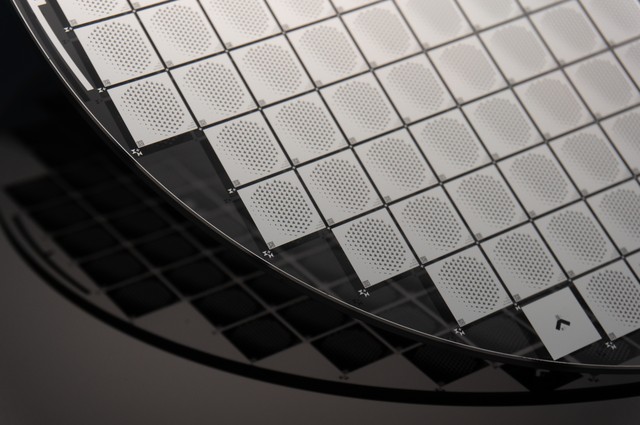
Key: p, n semiconductor alignment to form an internal one-way electric field
Combine p- and n-conductor semiconductors, where the electronics and hollows of the contact surface are combined to offset each other, creating a depletion layer and, at the intersection, a built-in electric field, equivalent to an electronic one-way street。
PhotonsThe impact is the core of the pv
When the sunlight hits the area, the energy carried by the photons strikes the material, creating new electrons and empty holes. The electron and the hollow are separated in the direction of the inner field: the electron goes to the n, the hollow goes to the p, and the charge is slowly accumulated on both sides, creating a voltage. When external circuits form circuits, the directed moving electrons form currents and the pv is completed。
Single cell voltage is low and requires stringing and assembly
The single-voltage battery has a low voltage of approximately 0. 5 v, with no power at all. So, at the time of production, a large number of batteries are bundled and combined into a complete photovoltaic component。
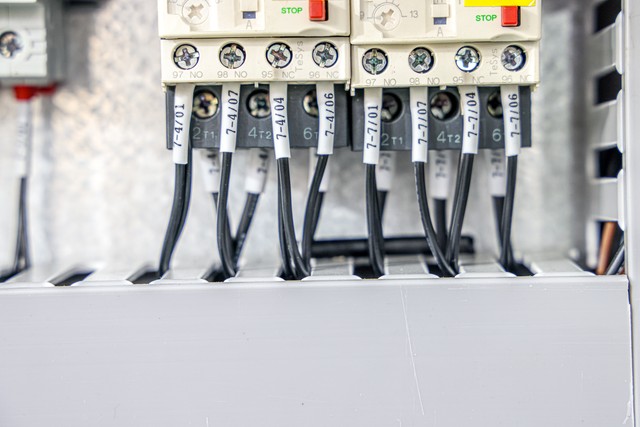
It is also important to note that direct electricity is generated from the pv and that most of the equipment in the home and in the factory is used for communication. So the entire photovoltaic system has to be fitted with reverse transformers, which convert straight currents into communication, and then presses them up and join the grid。
Optical max: the storage problem is not over yet
Photovoltaic power also has an indissoluble short plate: power generation is entirely reliant on light. At night, on rainy days or in sandy weather, the capacity to generate electricity is significantly reduced. We've managed the "light-to-light" technology, but the problem of large, low-cost stable power storage has not yet been fully addressed. This is also the key reason for the rapid development of photovoltaics, which cannot, for the time being, completely replace traditional fire power。
Do you understand









