


Hundreds of tonsAircraftWhy did you take off? There are two keys at the core: strongAviation enginesWith precision scienceAerodynamicsAppearance design。
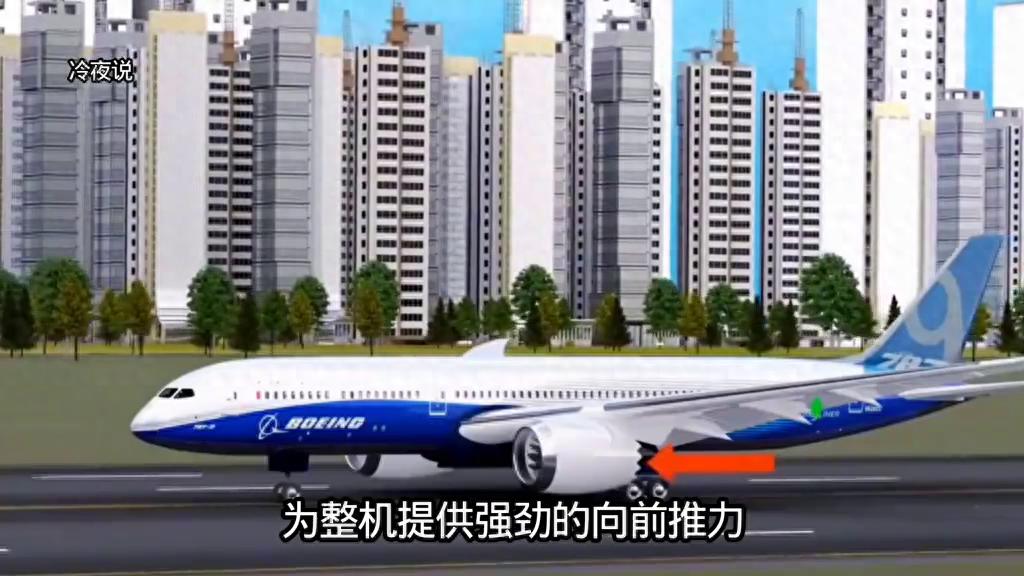
First, talk about the core power source of the aircraft: the aviation engine. When the aircraft is ready to take off, the engine is operating at full speed, providing a strong forward push for the entire aircraft and driving the aircraft on the runway。
The interior structure of the aviation engine is amazing, with large turbine fans at the front end, which breathe into the air at high speed, and the air that enters the engine is divided into two paths, one of which flows around the outer side of the engine and the other into the internal pressurizer structure。
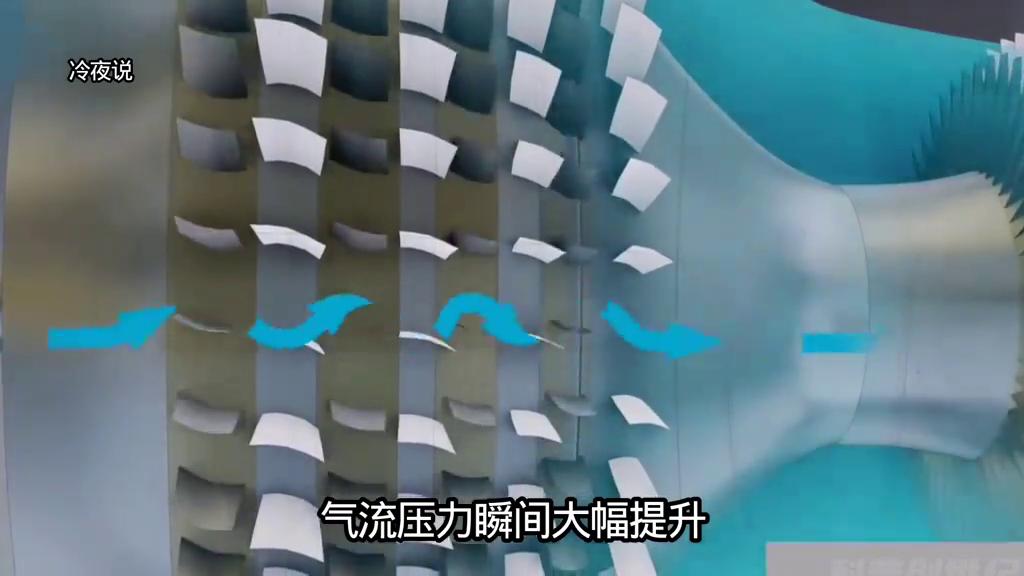
The pressurizers are divided into two levels of low and high pressure, consisting of a combination of tectonic and rotor blades. The air enters the low-pressure pressurizer rotor blades, stirs the currents to change their direction, then the pressure of the currents rises dramatically in an instant, after the fixed blades have slowed down. Air continues to enter the pressurized pressurizer after initial pressure increases, recompressing the process to further increase air density and pressure。
The highly compressed gas stream then enters into the combustion chamber and is fully mixed with aviation kerosene, which is ignited in an instant and generates high temperature and high pressure inflating gas currents. High-temperature gas current swing shock turbines, which drive high-speed turbine rotation. Since turbines and pressurizers are designed on the same axis, turbines operate in parallel with the reverse pressurized pressurizers, which continue to operate to form a loop-enriched closed ring。
Finally, high-temperature exhausts are sprayed at extreme speed from the tail vents, using reaction forces to generate enormous thrusts, pushing the aircraft forward continuously. But the push ahead alone is not enough to lift hundreds of tons of aircraft off the groundRaiseKey。
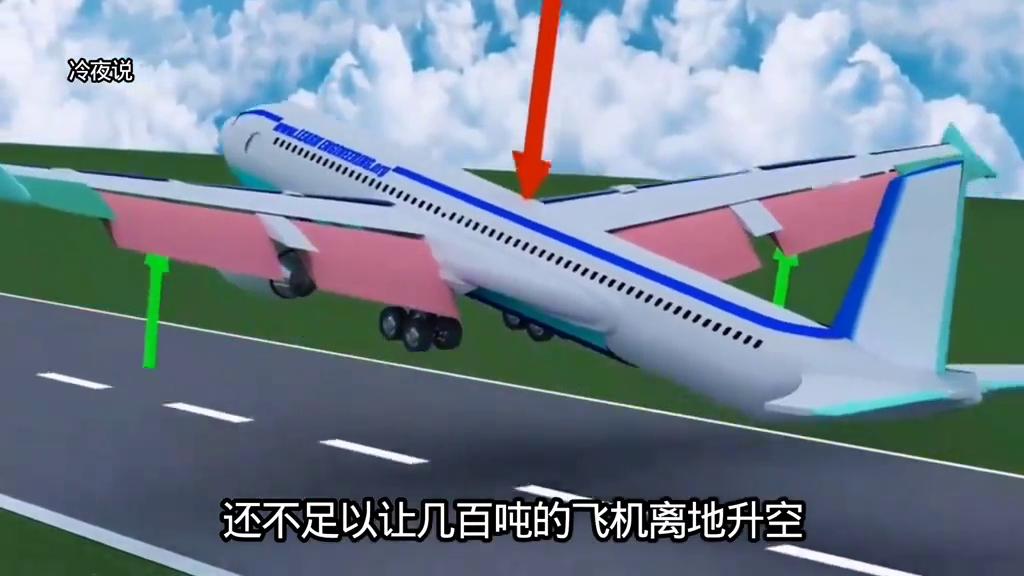
Special configuration designs can be seen from the cross-section of the wings, where air flow is faster and lower when the aircraft moves forward. According to hydrodynamic principles, the rapid regional pressure is lower, which leads to higher pressure on the lower wing than on the upper side, which naturally produces upward lift。
The lift from the base wing alone cannot support the aircraft to take off, and it depends on the wings and the wind on the wing to take off. These two devices, installed at both ends of the wing, are capable of effectively expanding the overall wing area and multiplying the lift, while adjusting the wing flight angles and further magnifying the lift effect。
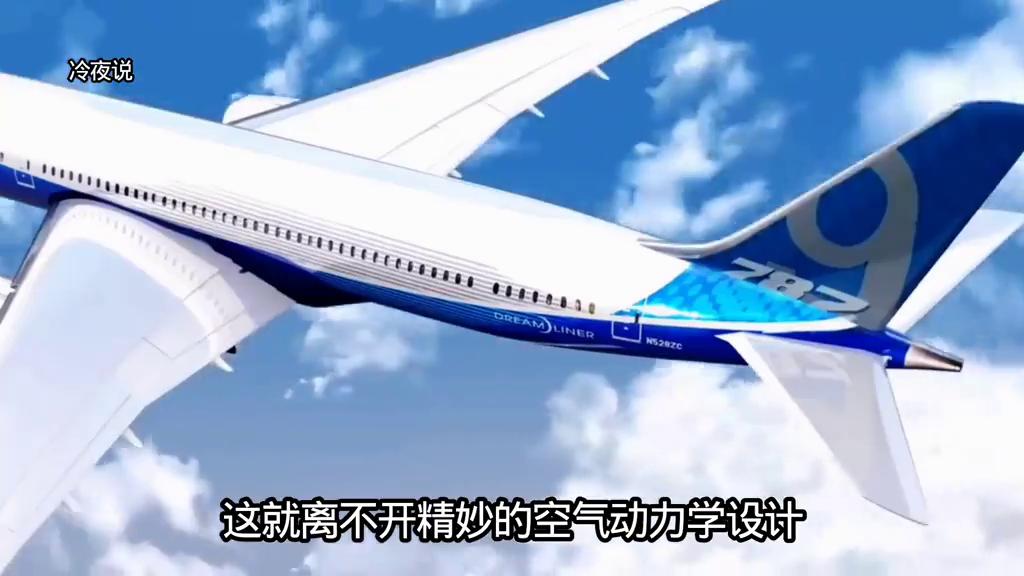
When the aircraft moves at the runway speed to take off, the pilot opens his wings with gold on his handle and acquires a higher lift in the instant. At the same time, the tail-lifting rudder began to tilt upwards, putting downward pressure on the tail of the aircraft, with its head rising upwards, further boosting and spiralling. Under a strong lift, heavy aircraft slowly disengaged from the ground and entered a state of creeping flight with the final pull-off and landing。
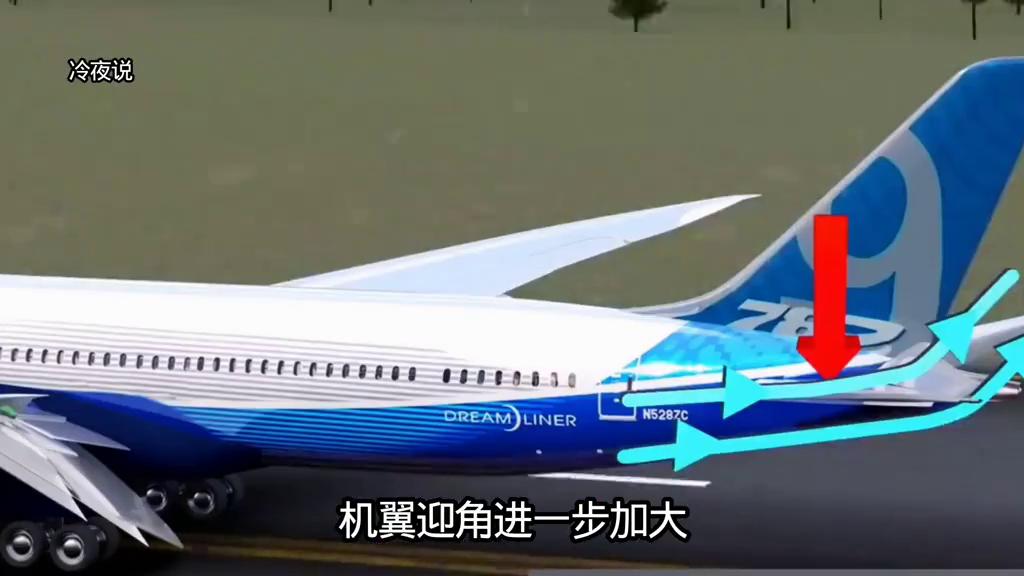
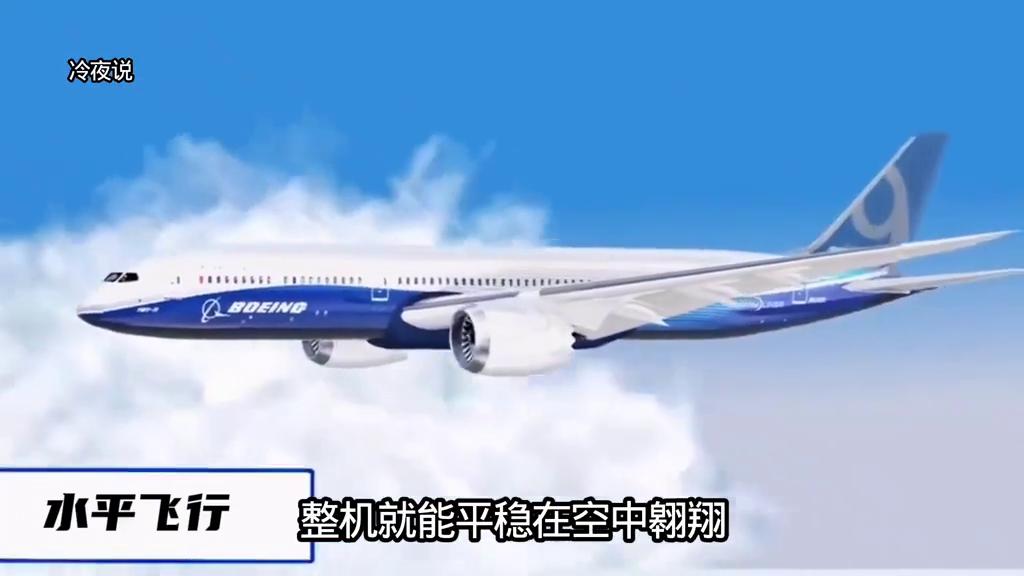
During the climbing process, the engine was always thrust more than the air resistance, and the aircraft kept accelerating and flew at a sustained pace, the faster the lift from the wings and the aircraft could climb up. By the time the plane reaches the level-crossing phase, the speed of the aircraft remains stable, and the lift from the self-wing is perfectly balanced with the weight of the aircraft itself, the whole aircraft can soar in the air。
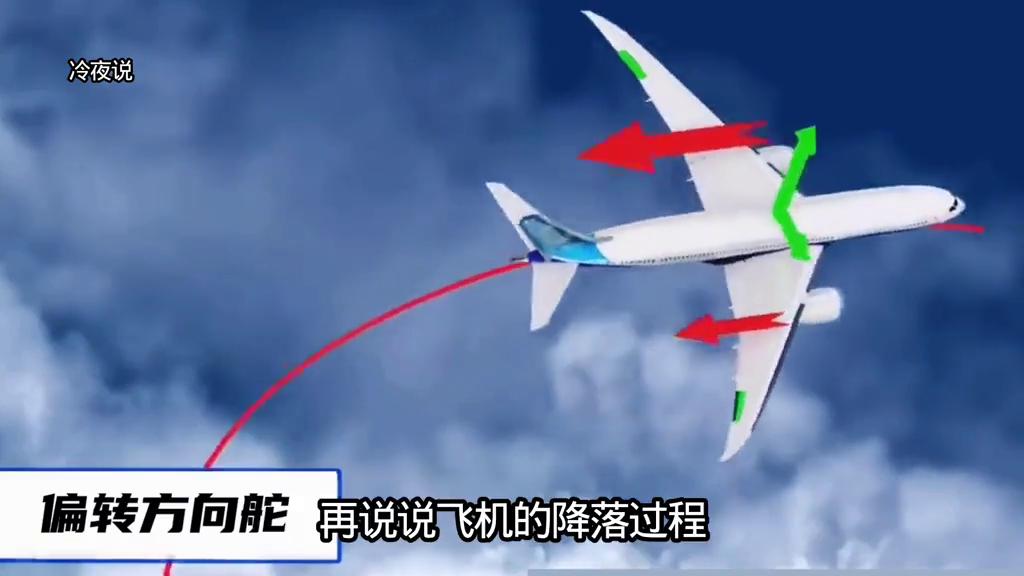
In day-to-day flight, there is also a professional operating logic in the turn of the aircraft, where the pedals beneath the pilot's feet control the turn of the tail rudder, and the direction of the flight is changed by the reaction of the air current. However, since the mere turn of the steering wheel, with a hardened body, can easily upset the passengers, professional pilots will be associated with the driver's rods, allowing the negative wings of both wings to go up, and vice versa. Wing lifts on both sides of the deflection are at a level of margin formation, with a smoother turn towards the cardiac graft and a more comfortable experience。
However, negative-wing deflections can also lead to uneven resistance on both sides and can be prone to deviations, where a slight rudder-to-disposition offset would allow the aircraft to keep its course steady。
Say again about the landing process. In preparation for landing, the pilot starts with a small engine throttle, which begins to slow down, while the full deployment of wings, wings and negatives increases air resistance and slows flight. Drop the landing gear at a specified altitude and prepare for landing。
The automatic opening of disturbance panels on the aircraft's wings at short notice further increases the wind resistance and suppresses the altitude. At the same time, the hoods open up to change the direction of the jet jets, so that the gas flows in front of them create a reverse thrust, multi-velocity-reducing co-optation, coupled with the ground brakes, so that the large aircraft can slow down and eventually remain on the runway。









