


What's the rationale for power generation at the melting towers? Why does it work 24 hours
The saline tower photothermal power station is a facility that uses solar energy to convert to thermal energy and to generate power through heat-driven generators. Its core principles and 24-hour power generation capacity rely mainly on the following steps and technical characteristics:
• rationale:
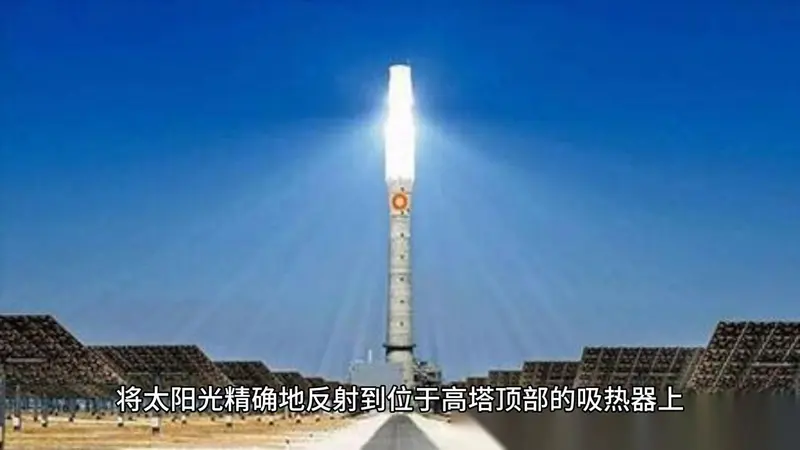
Photoenergy collection: using a large number of sunglasses (also known as reflectors), these mirrors can follow the motion of the sun to adjust its angles to reflect accurately on the heater at the top of the tower。
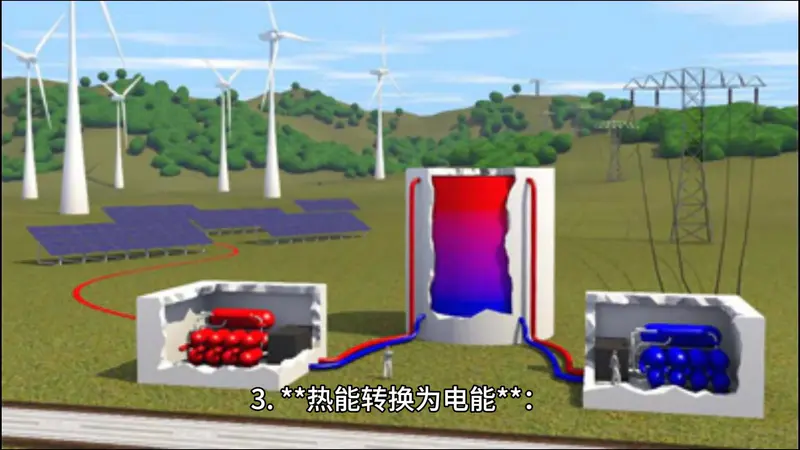
→2. Thermal energy conversion and storage: melting salt, an inorganic salt mixture that maintains liquid at high temperatures, is contained in the inhaler. When the solar light focuses on the heater, the melted salt absorbs the heat and warms it to about 565°c, which is heated and transported through the pipeline to the high temperature storage tanks for storage. Melting salt in high-temperature storage tanks can remain high for long periods of time as a storage medium for thermal energy。
Thermal energy is converted to electrical energy: when power is required, the melted salt from high-temperature storage tanks is pumped to heat exchangers, thermal exchange with water turns water into high-temperature high-voltage vapour, and steam-driven turbine rotary turbines connect generators to generate electricity. Melting salt temperatures decreased after the release of heat and returned to the cryogenic storage tanks pending the next heating。
Reasons for 24-hour power generation:
• 1. Melting salt storage systems: the melted salt storage systems are one of the core technologies of the melting tower photothermal power plants, which can store large amounts of thermal energy at high temperatures and be released when needed. During the day, when the sun is full, the melted salt is heated and stored in high-temperature storage tanks, even though the melted salt remains high at night or in the dark, and thermal energy continues to be provided for electricity generation。
2. Stable heat output: because of the existence of a melted salt storage system, the melted saline tower photothermal power station can smoothly regulate thermal output, free of weather and night changes. This steady thermal output allows power stations to generate electricity in a sustained and stable manner to meet the needs of the grid。

• 3. Flexible movement: melting salt storage systems not only allow 24-hour power generation at power stations, but also allow flexible movement according to grid demand, such as increasing power generation during peak periods, and reducing power generation or storing more heat during low valley periods。
Advantages: clean and environmentally sound, clean and environmentally friendly throughout the power generation process. Stable and reliable: smelting salt storage systems ensure stable power supply to power stations, free from weather and night and day changes. Resource abundance: solar energy is a renewable source of energy, highly resource-rich and scalable, and photovoltaic power stations can scale up power generation in accordance with demand。
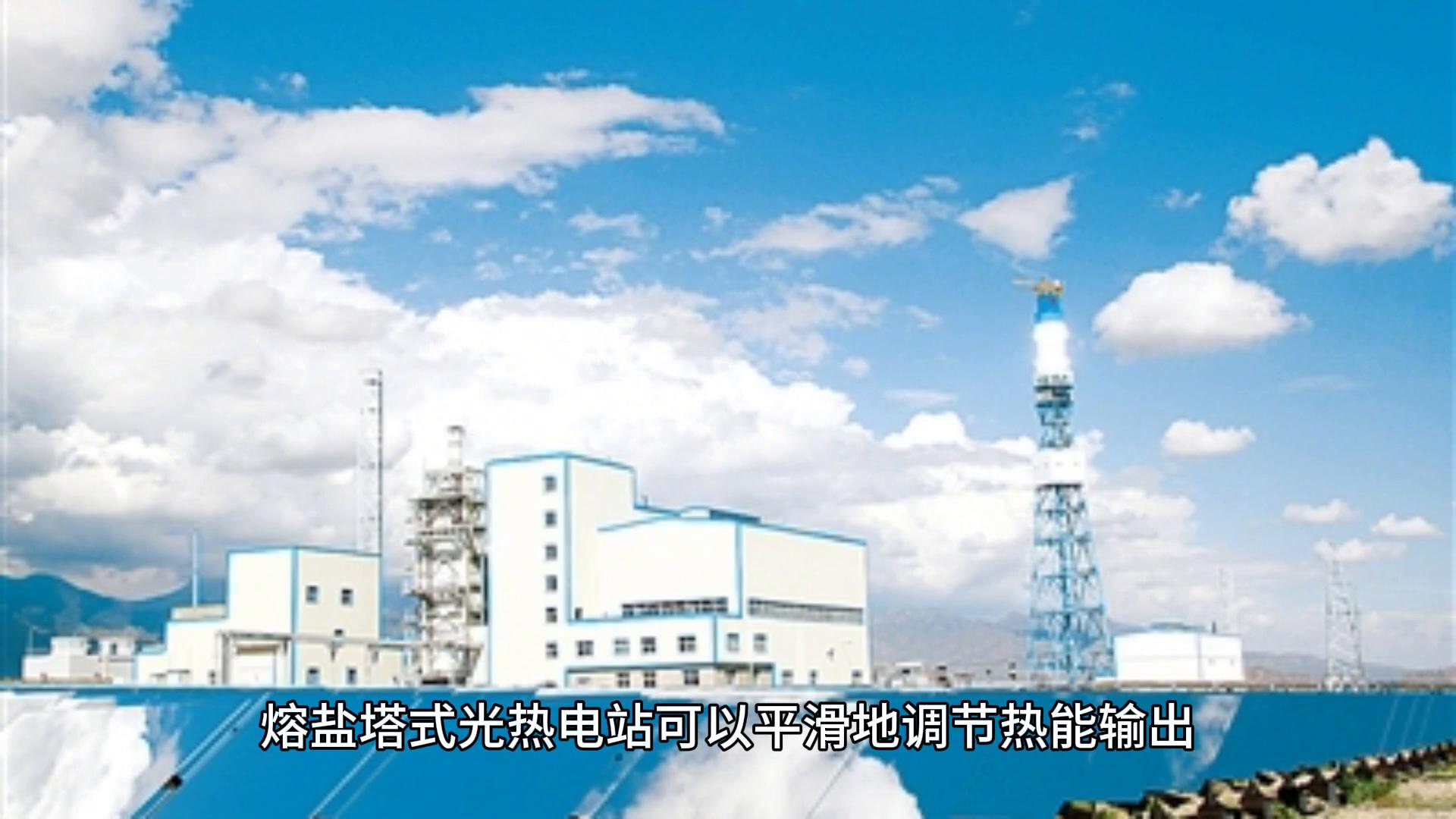
Conclusion: the smelting tower photothermal power station has been able to store and convert solar energy through efficient smelting energy storage systems, allowing for continuous power generation at any time, including night and dark days. Not only is this technology improvingSolar power generationFor the futureClean energyDevelopment offers new directions。









