1. Composition of vehicles
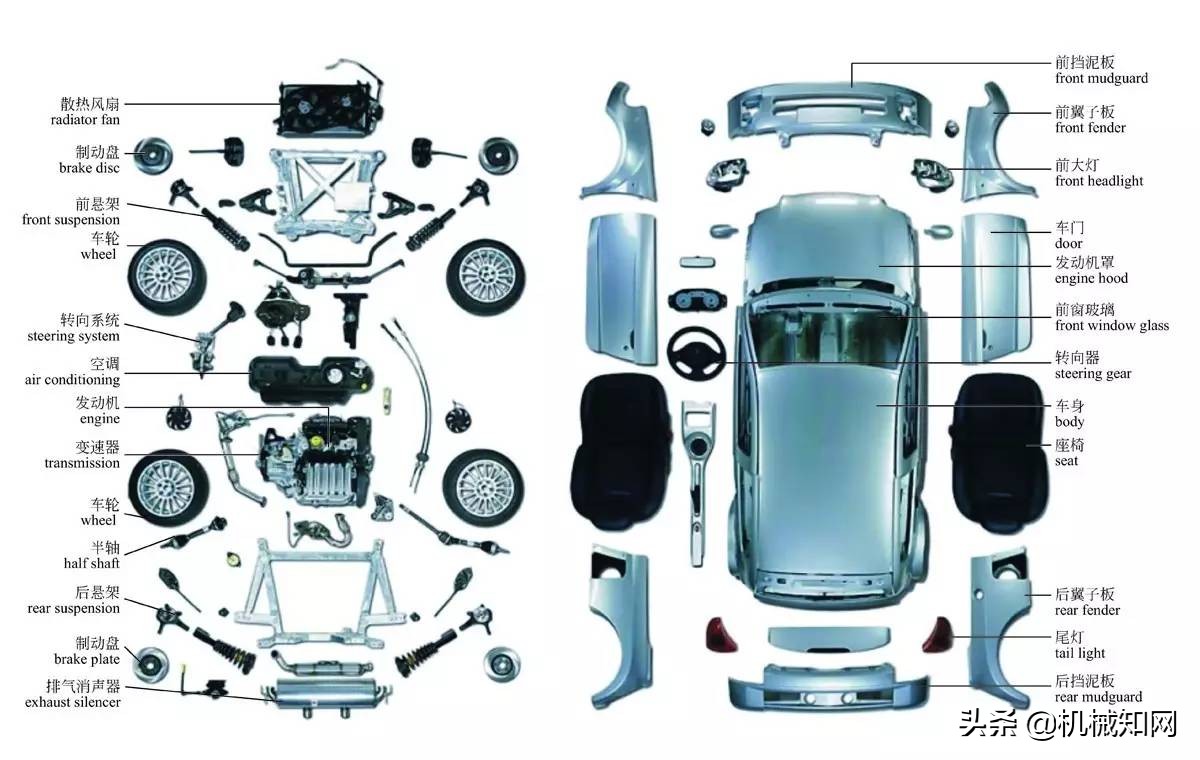
Vehicles are non-orbit-free-line vehicles driven primarily by their own power and with four or more wheels. Cars are usually motors, chassis, body andElectrical equipmentIt consists of four basic components。
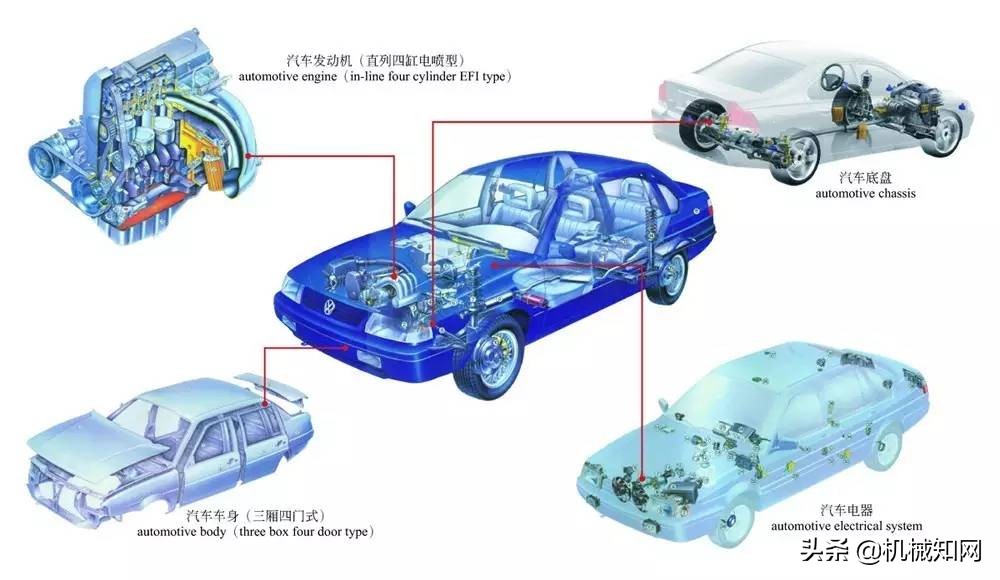
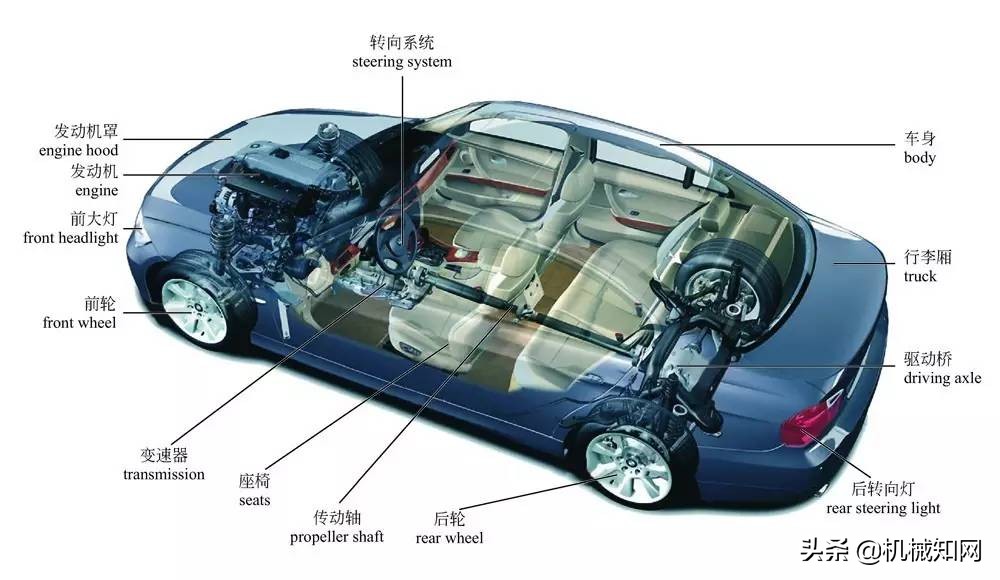
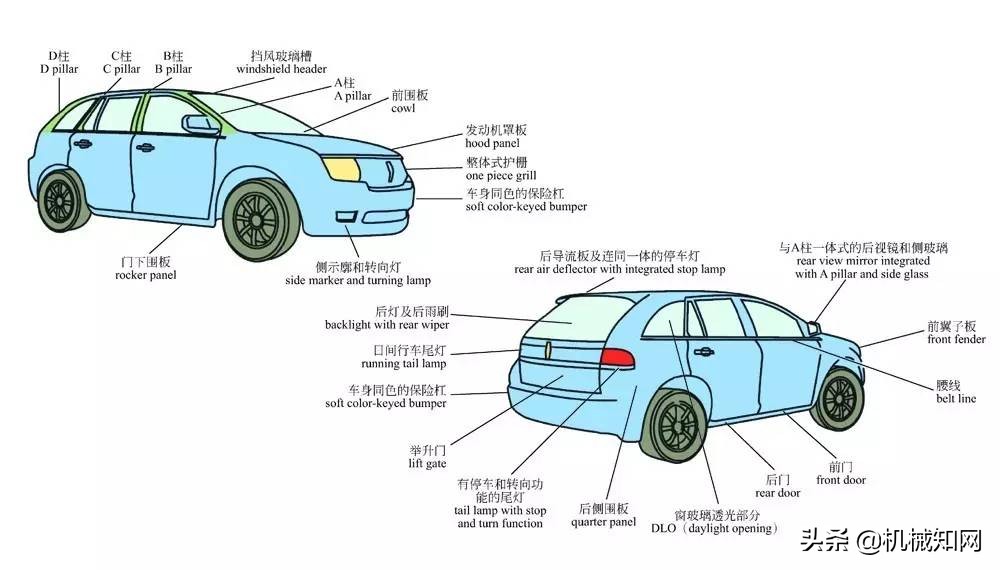
Autostructure view
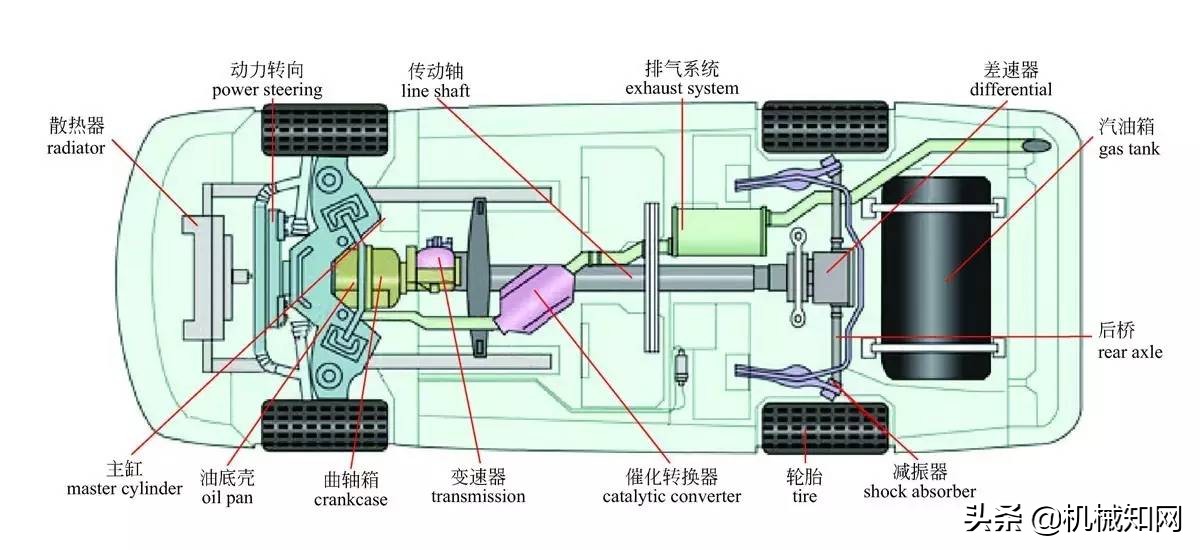
Car bottom view
Cars are broken down
2. Engines
When we get rid of the body, we can find the car's heart -- the engine。
The engine is the vehicle's power unit, which functions to convert the fuel entering into thermal energy by burning it and to transform it into kinetic energy, driving the vehicle through a chassis transfer system。
Total engine construction
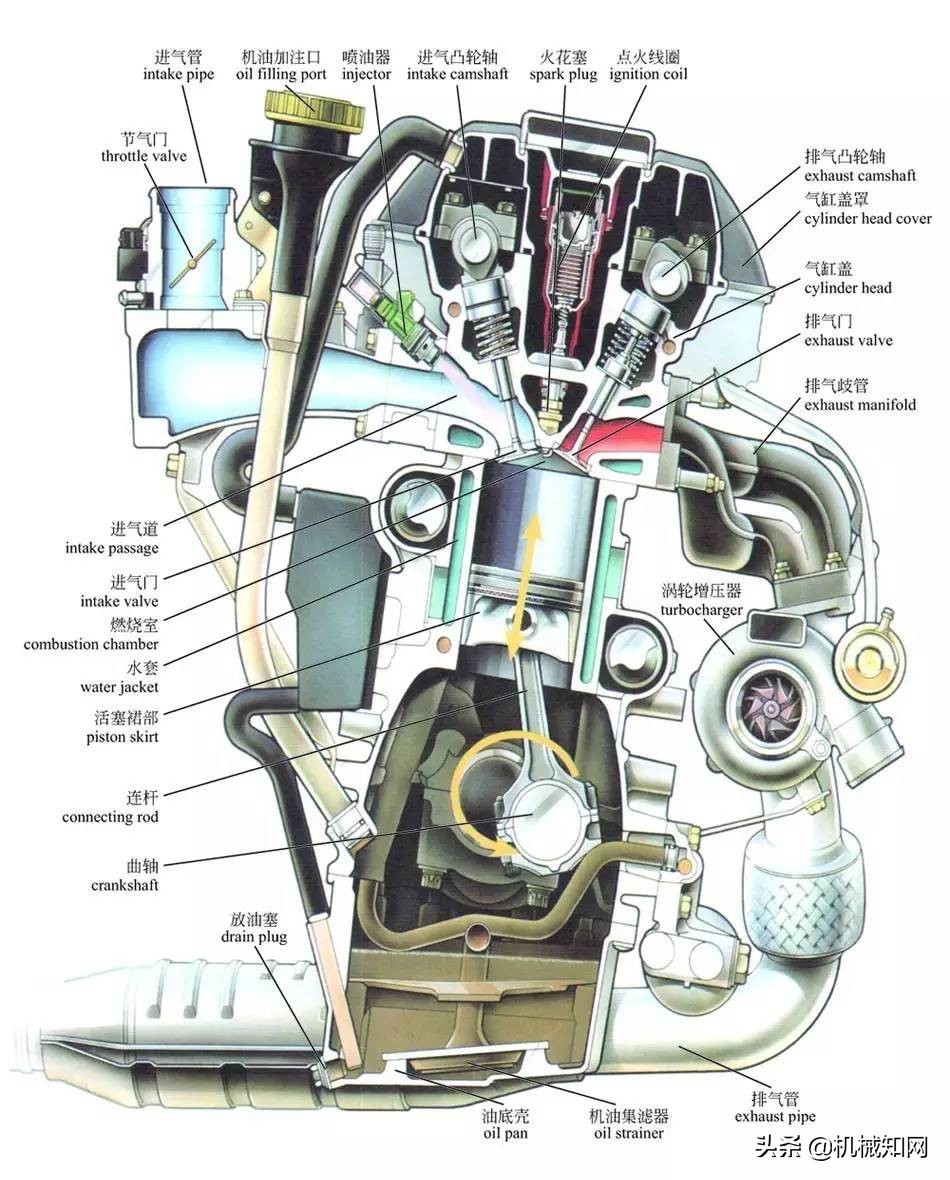
Gas engine section view
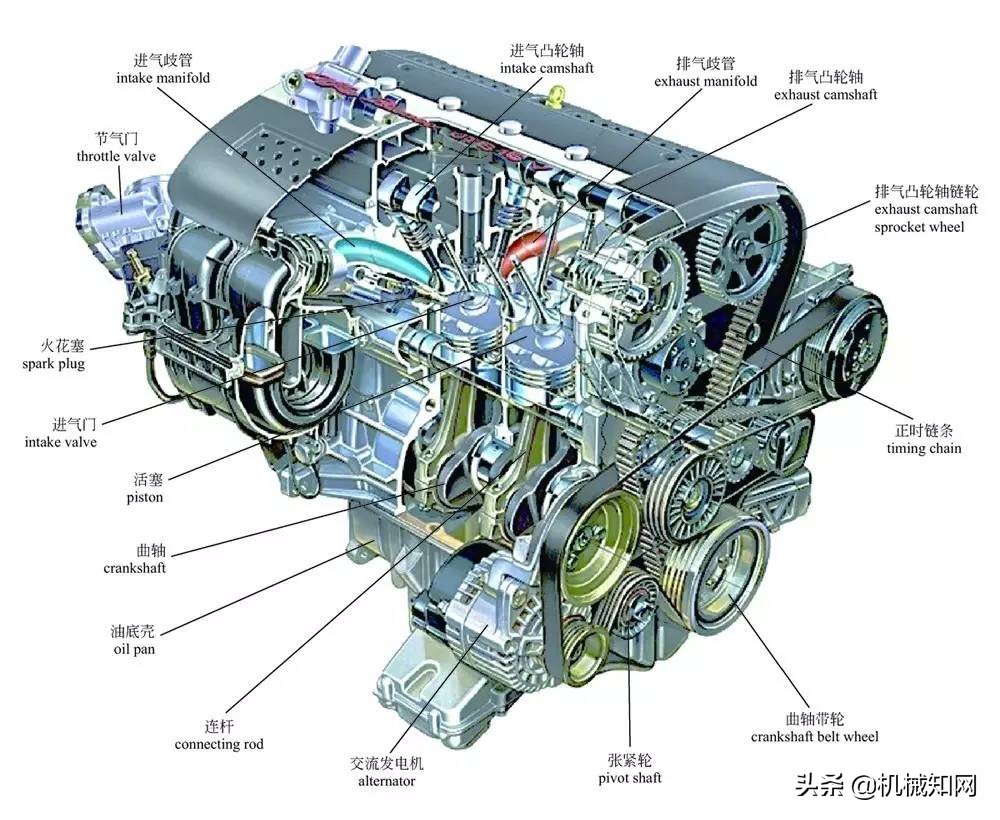
Thread:
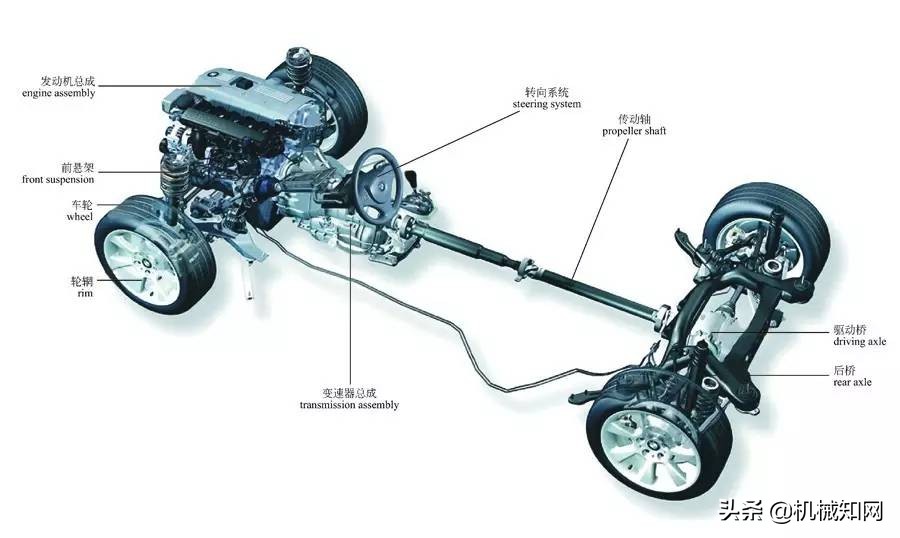
In addition to the body and engine, the rest of the frame (as stated earlier, there is no separate frame for the carrying body), the speedbox, the back bridge, the wheel, etc. Are part of the chassis。
The role of the chassis is to support the body, accept the power generated by the engine and ensure that the car is able to move normally. The chassis itself can be divided into four parts of the transmission system, the drive system, the switch system and the brake system。
Body:
The body is part of the vehicle used to carry people or loads. These include body (framework), body appearance, interior covering, body electrical accessories. The body of cars and buses is generally integrated. The body of the truck, on the other hand, is typically made up of a cab and a cargo container。
Automobile electrical:
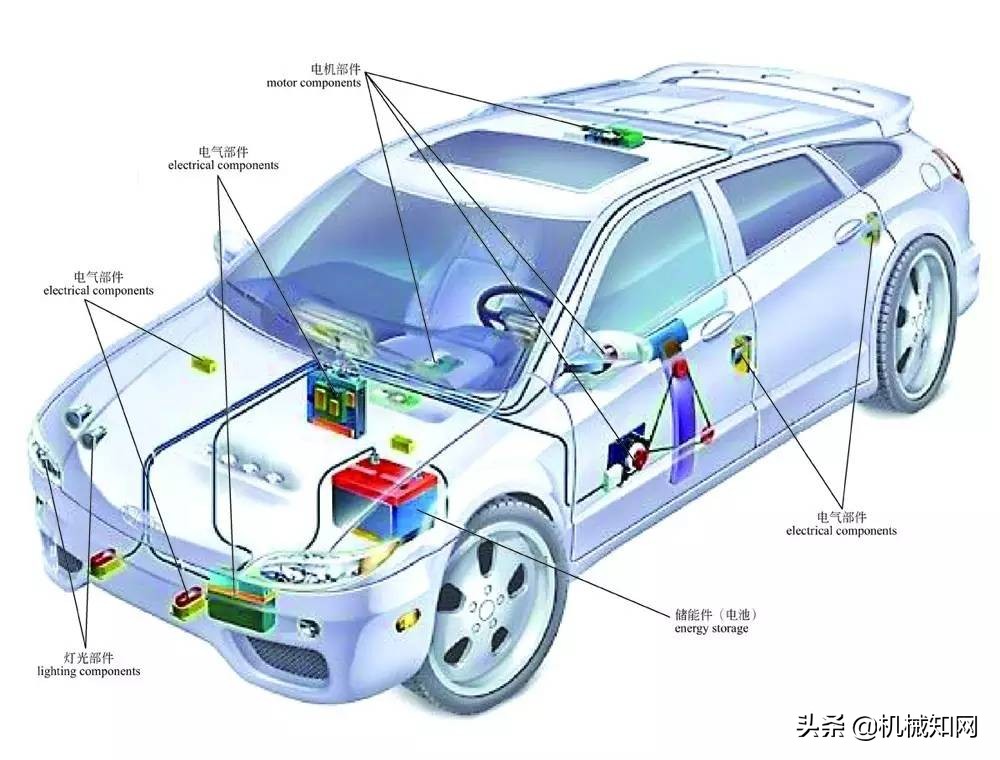
Electrical equipment includes electrical equipment such as power supply, engine start-up systems and car lighting, as well as engine ignition systems in the mandatory ignition engine。
As can be seen, the electrical equipment is actually embedded in the other three parts, but it connects the various agencies of the vehicle like a web of insularity, while at the same time coordinating the work of the various parts as a commander. A separate listing of this component is therefore essential for the overall design of the vehicle。
The engine works
Four-string petrol engine work
The power source of the engine is constantly providing power, thanks to the orderly circulation of the four journeys of inflow, compression, operation and venting in the cylinder。
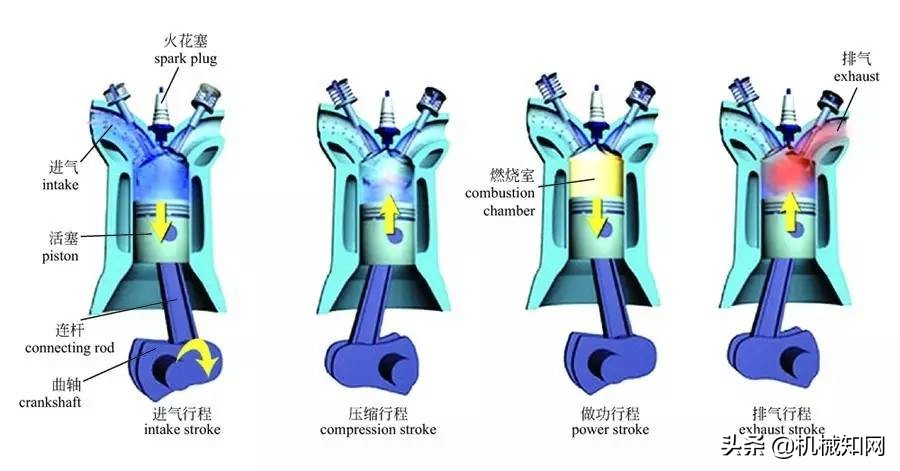
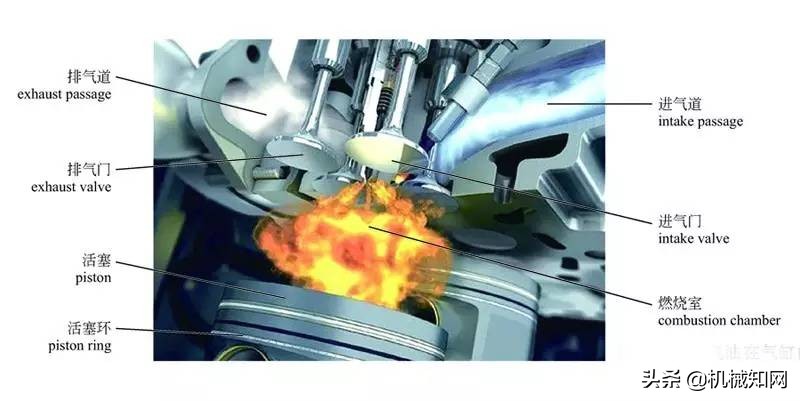
The gas intake process, when the piston moves from a stop point inside the cylinder to a stop point, the entry door opens, the vent door closes and fresh air and gasoline blends are inhaled。
Compression of the process, closing of the entry and exhaust doors, movement of the pistons from the bottom to the top, compression of the mixed gas to the top of the cylinder in order to increase the temperature of the mixed gas and to prepare for the work journey。
In the process, the spark plug ignites compressed gases, and the “explosion” of the mixed gases inside the cylinder creates a huge pressure, pushing the piston from the top to the bottom, and rotating the curve axis through a pole。
The venting process, the piston, is moved from the bottom to the top stop, at which point the entry door is closed, the vent door is opened, and the burning exhaust gas is discharged through the vents。
Four-string diesel engine operation:
Like petrol, the four-scrambling diesel engines, each cycle consists of gas intake, compression, operation and exhaust. As diesel engines are fueled with diesel fuel, diesel self-fired at low, sticky and non-evaporable temperatures compared to gasoline, diesel engines are self-fired using compressed endpoints。
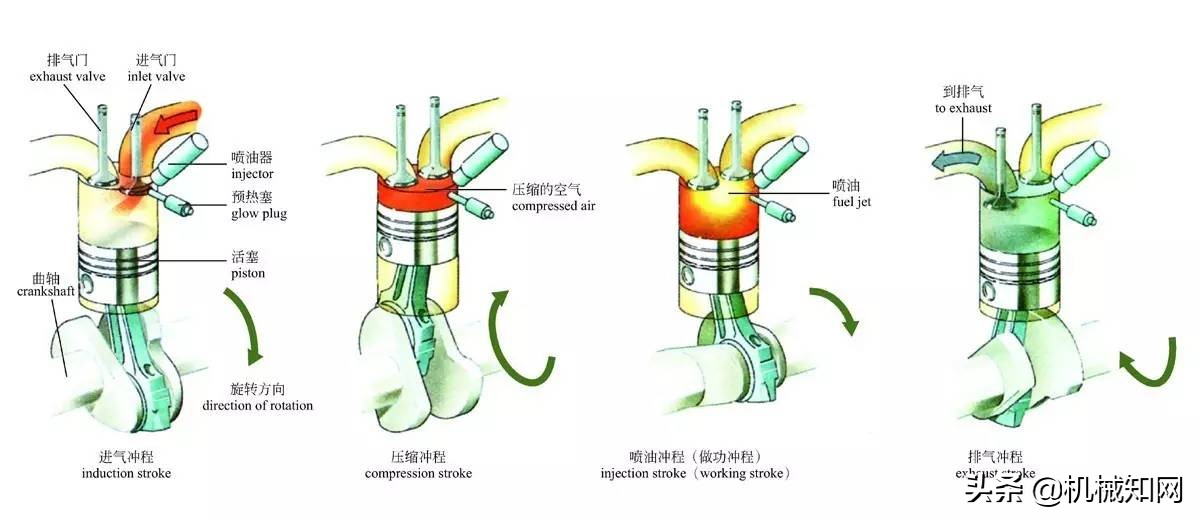
Two-string gasoline engine operation:
There were three holes in the engine's gas cylinder, namely, the vent, the vent and the vent, which were closed by the piston at a certain point in time。
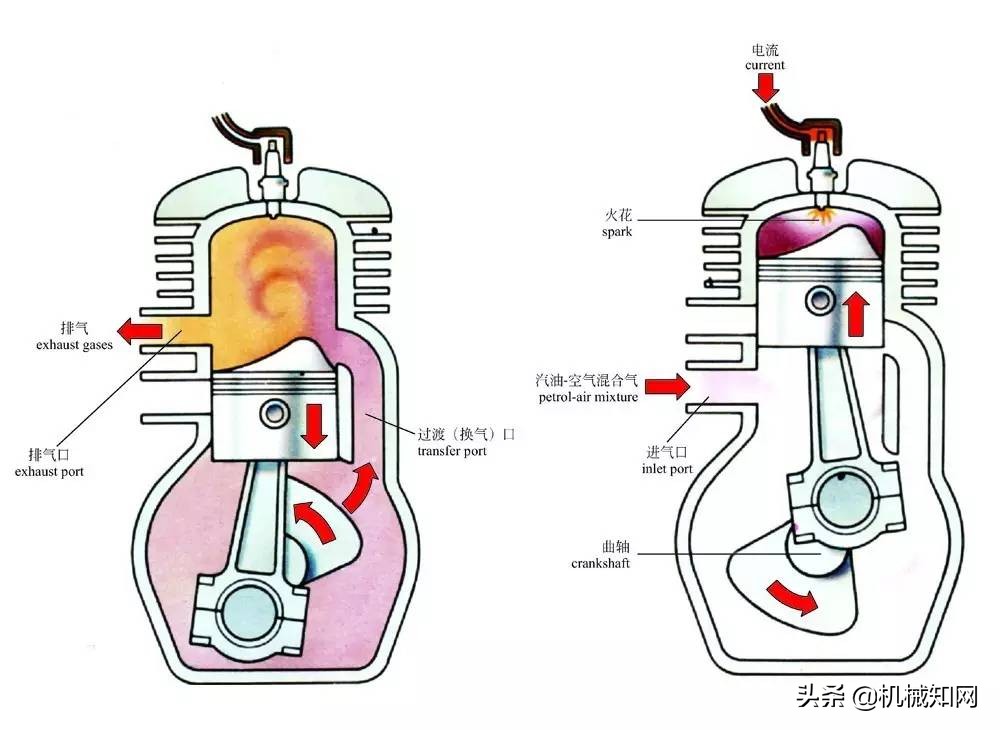
The cycle of work consists of two courses:
The first course: the piston moves upwards from the point of stop, and the mixture gas entering the cylinder is compressed when the three holes are also closed; when the vent is exposed, the combustible gas flows into the axle box。
Second race: when the piston is compressed near the upper stop, the spark plug ignites a combustible mixture of gas, and the gas swells the piston down. At this time, the ingestion vent is closed and the flammable hybrid gas is compressed; the vent opens when the piston approaches a point of cessation, and the exhaust gas is pumped out; then the refuelling vent is opened, and the prepressible combustible gas is pumped into the cylinder to remove the flue gas and to make an air-exchange journey。
The principles of the rotor engine
The inner space of the shell (or rotor room) is always divided into three working rooms。
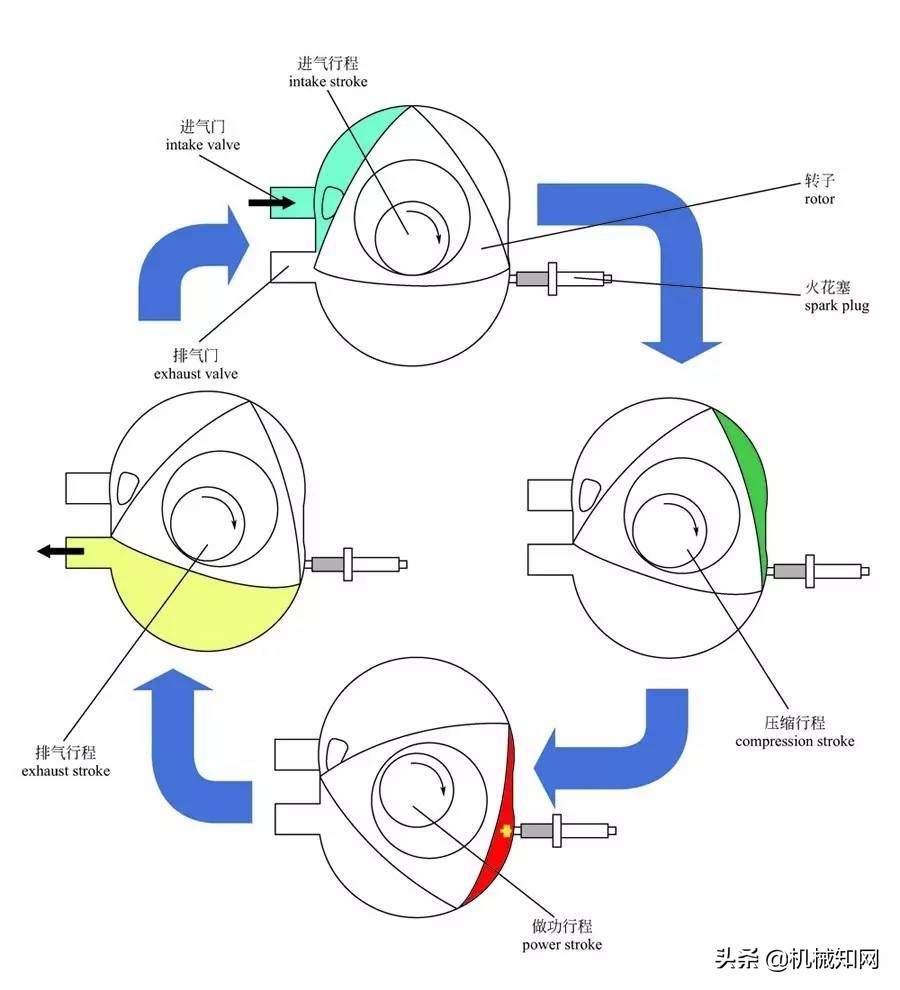
During the motion of the rotors, the volume of the three studios was constantly altered and the flow of gas, compression, combustion and venting was carried out successively in the line-shaped tank. Each trip is carried out in different positions in the turret。
Engine terminology
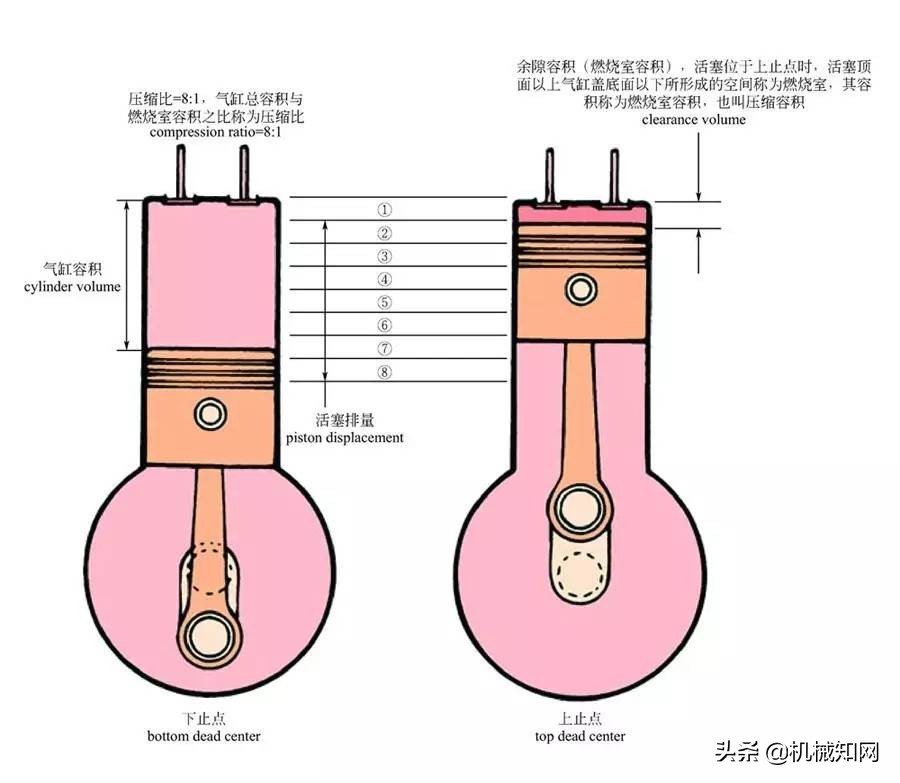
Keep it up and down
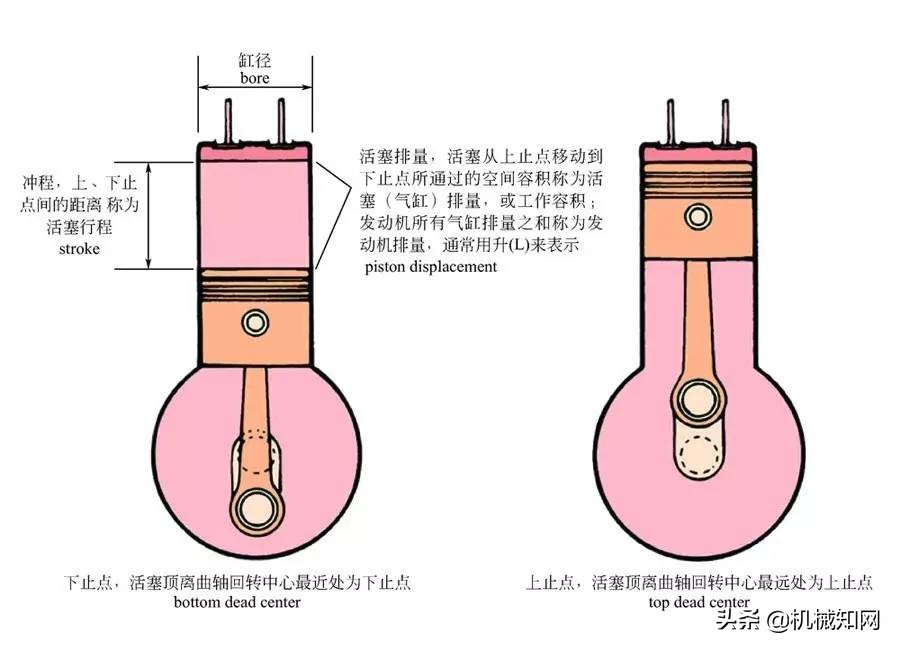
Burn chamber volume
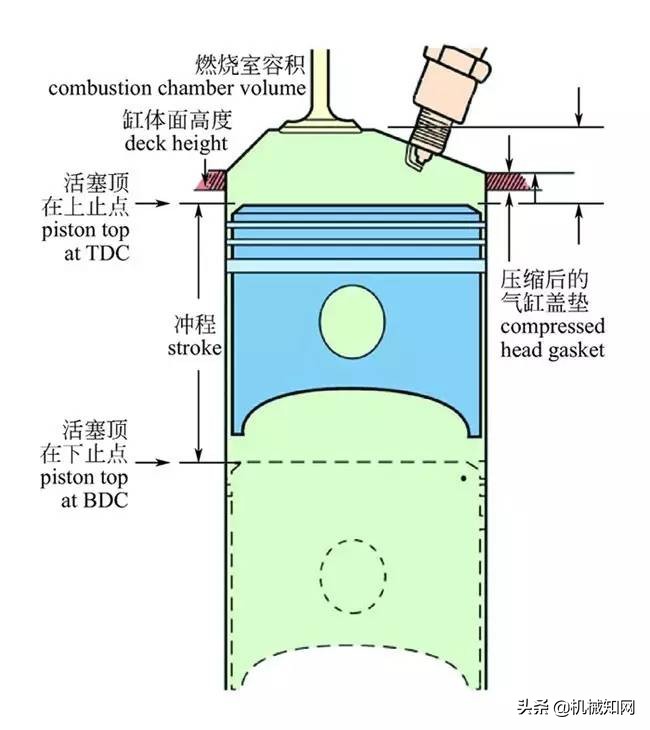
Compression ratio