


ElectromagneticThe principle is an electron device that generates magnetic insorption, and when we learn about a wide range of electromagnets in our studies, we need to know more about the speciality of electromagnets。
Here's the common electromagneticsDesign principles:
The electro-magnetization produces a magnetic field, which causes a significant increase in insulation by generating a conductive magnet。
Based on the above principles, electromagnets are typically designed in the market to be push-and-pullSorrowMore and cornered electromagnets are used。
I. Overview of thrust electromagnetic design:
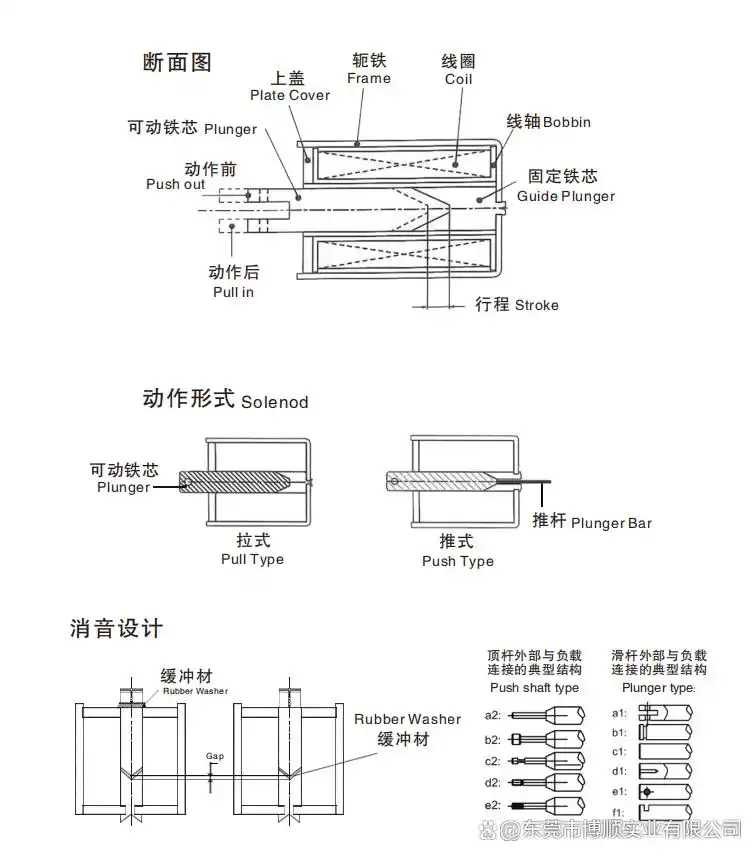
When the coil is wired, the coil produces a magnetic field, the magnetic iron is capable of being moved, (mixable and stationary steel cores) which is the main basis for the determination of the electromagnetic/electromagnetic coil. From here on, it's going to evolve into a variety of electromagnets。
1. Propulsion or pull of electromagnetic magnets, electromagnetic reverses, or electron positive-negative changes. The fixed steel core is typically designed to be one third of the length of the wire, and when the fixed iron core produces magnetic insorption, the magnetic insulation requires overcoming the weight of the moving iron core, which is within the influence of fixed iron core adsorption in order to insinuate it, generating the sorbency, and the fixed iron core responds as far as possible to the longest journey of the magnet for this purpose, such as the design of a repositioning of the moving iron core through springs or institutions。
2. When electro-magnetics with thrust-maintenance switches or locks are made in specific cases, and because of the need for long-term fixation of the steel core to a certain location, it is necessary to open electricity for long periods of time, which may affect the operation of the equipment in case of energy saving or, in exceptional circumstances, when the power is cut, the steel core may be adsorbed in the design of the permagnetic, so that it is not replaced by springs or inertial structures。
3. Noise-sourced electro-magnet-fixed iron cores and kinetic iron cores are drawn by magnetic insulation, producing a thrust or moving iron core to produce a pull. This adsorption creates an instant collision, which results in greater noise, such as higher frequency and greater noise. The springs can be stabilized by adding springs and buffers to the moving iron cores, or by adding buffers to the fixed steel cores, with a faster frequency。
Ii. The adsorption disk electromagnetic principle is the same as that of the pull magnet, and we throw the iron cores directly away, and we do so directly through fixed steel cores。
1. An electro-magnetized scrambling of objects, such as sorbent steel, which removes and demagnetizes steel pieces when they generate magnetic force from the fixed steel core when it is electrified。
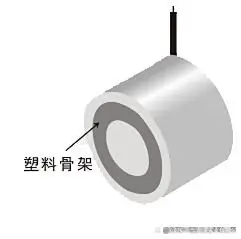
2. Self-maintenance disk magnets are similar to the maintenance electromagnetic principle, require long-term operation and use of permanent magnets to adsorption locks, etc., taking into account energy efficiency and power loss safety factors, the power of fixed steel cores created by electro-electricity in response to the magnetic pole of the permagnetic, the weakening of the magnetic field of the permagnetic, and when the permagnetic magnetic field disappears, the loss of magnetic force releases the object。
3. The route of the vacuum magnet and the method of residual magnetic resolution, which is usually based on 100 per cent contact adsorption, is the largest in the 0 mm journey. The disk electromagnetic field is the base generating magnetic field, with the central fixed steel core of level n and the s-shaped iron. Thus, the adsorption force is significantly diminished when electromagnetic iron produces 1-2 mm process adsorption to objects. A vacuum magnet produces a magnetic field by means of a conductor's fixed iron core, with residual magnetic properties after the loss of electricity on the iron core and, if passed at a higher frequency, a lighter object that is not separated from the next operational requirement will cause operational anomalies. The remaining magnetic effects may also be time-barred, so that springs can be placed in the middle of the steel core, which, when demagneted, can be used to exert additional physical force to remove objects。
4. An increase in the power of a vacuum magnet may also be achieved by using a permanent disk, such as a permanent disk having its own adsorption power of 5 kg, and electrostatic fixed steel cores that generate magnetic fields and increase the magnetic insulation of the magnet. On the contrary, when an electromagnetic magnet encounters a permanent magnet absorbor, it can also be designed in accordance with the above principles to generate a repulsive force from the electro-magnetic power, which can be removed from it, or from which the repulsive power of the electromagnet is greater than that of its own。
IiiRotateElectromagnetism:
1. Rotation of an angle following the electro-magnetization of the rotating magnet, which is determined by the angle of the iron core and the fixed iron core slant. Rotation is done at the point specified after electricalization, repositioning or continuous rotation based on additional spring demand, and rotation at a high speed and sensitivity, which can be driven by a slower step-in generator if required. Rotating electromagnets use fewer scenes and leave us a message if you need additional knowledge









