


Zero-sequence intersensorRationale
ZeroElectricity protectionThe rationale is based on the law of the kirhoff current, i. E. The algebraic and equal to zero of the current that flows to either node of the circuit. The vectors and the equivalent of zero for each phase of the current are normal for circuits and electrical equipment, so that the second side of the zero sequence current sensor has no signal output and the execution element does not act. When it happensGround failureThe vectors and non-zero currents of the currents at the time, the malfunctioning currents produce magnetic fluxes in the ring iron core of the zero-order current sensor, and the second-side sensor voltage of the zero-series current sensor allows the execution element to move, boost the detachment device, switch to the power network, and
To the purpose of ground failure protection。
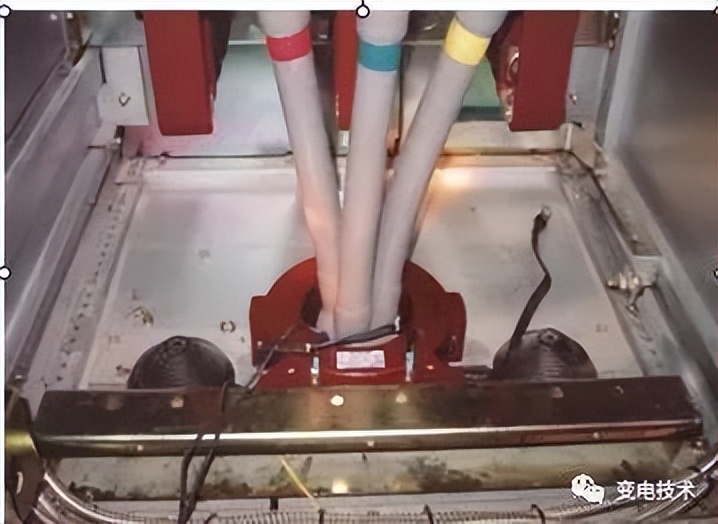
It's a zero-order sensor
When electrical contact or failure occurs on the circuit, protect movement and cut the power。
Use of the zero-order sensor
A current sensor can be installed on each three-phase line, or a three-phase conductor can cross one sequenced current sensor, or a zero sequence current sensor can be installed on the neutral line n to detect the three-phase current vectors and。
The zero-sequence intersensor is typically used to detect “unequitable” currents (missing) on the main circuit that pass through this sensor, because on the main circuit that passes through this sensor, the currents should come out of the source, through one of the lines in the intersensor to the utility (load), and then back to the source by the load back through other lines that pass through the intersensor, the size of which should be the same as the “equivalence” when passing through the intersensor, but in different directions. Because electrical currents of the same size and opposite direction do not detect electrical currents or telecommunications signals on the secondary side of the sensor when passing through one side of the sensor (the main circuit can be considered as one side of the sensor), there is no "sign output" on the zero sequence sensor。
If electrical currents on one of the main circuits on the way back to the power source after coming out of the power source after passing through the intersensor's “one side”, no longer returning to the power source through other lines on the side of the intersensor or not exclusively through other lines on the side of the intersensor, but going back to the power source through other “routing” routes, then the second side of the intersensor (intersensor wires) senses the “passing through” of the intersensor's current signal (e. G., like human contact or equipment leaking), which, after being amplified, can control and sequenced with an electrically connected protective device movement of the intersensor, cut off the source of the protected main circuit and guarantee the safety of persons and equipment。









