


Introduction: yours when the battery is "dead"Electronic equipmentHow much time is left
Cell phones are stuck at 1%, recharging gear plugs are non-reactivated, electric cars are half-way "ping room"... These scenes are performed hundreds of times a day globally. But you probably don't know that 80 percent of the “end-of-life” chargers can be saved by professional methods. This paper will be combined with the battery engineer's in-house information, and will reveal the story of the recovery of the nickel-hydrogen to lithium batteriesSecure operationGuide
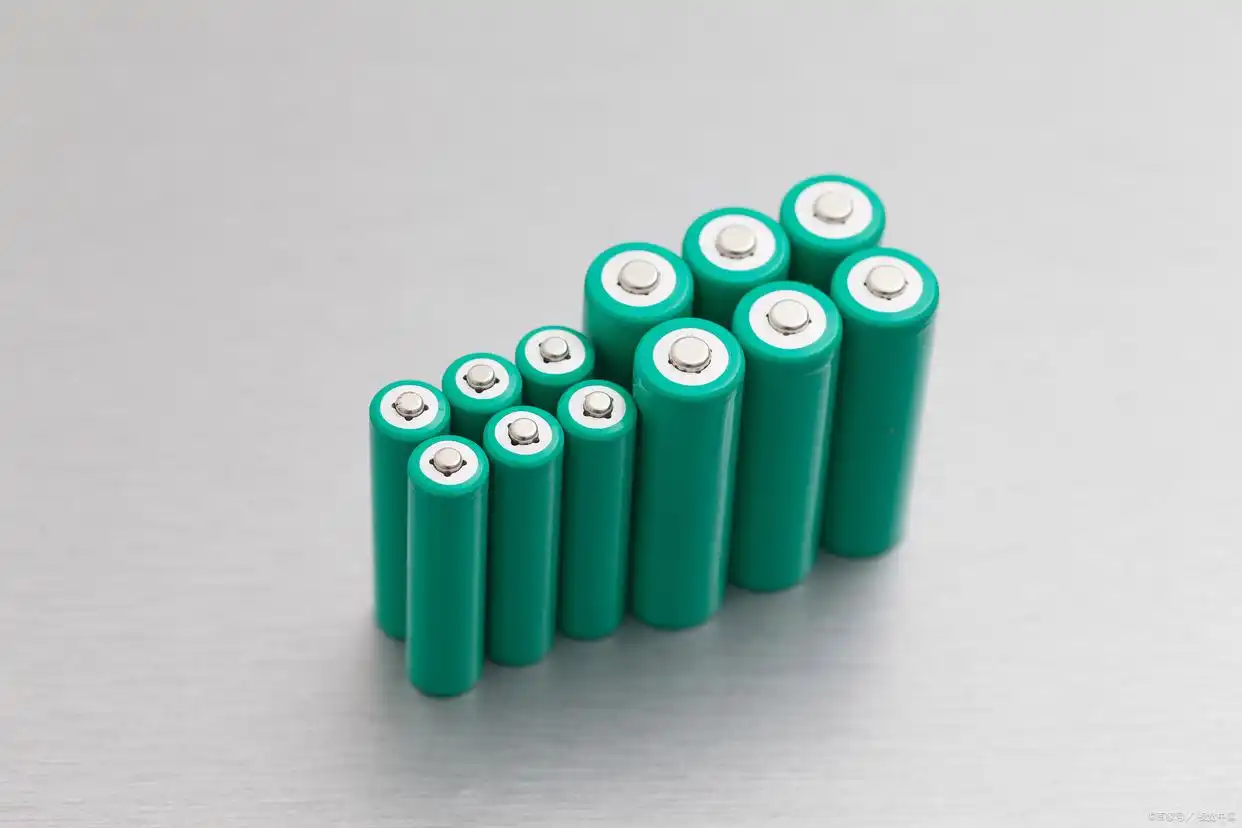
The battery “false death” scene: did you get the symptoms
“memory effects” trap for nickel hydrogen/nickel cadmium batteries
Typical symptoms: charges show “fullness” at one hour, but the actual continuation of the storm drops at a long time without depth charge leads to a heating of the “shrimp” battery but no inverse scientific explanation of the amount of electricity: experimental data on the reduction of active substances as a result of the solidification of the crystal structure show that the failure to activate the battery capacity decay rate is five times that of the normal battery 2. The “push protection” mechanism for lithium batteries
Trigger condition: when the voltage is below 2. 5 v, the failure of the protection plate to initiate the “lock to death” of the lithium ion activity in low-temperature conditions caused the failure of the ic chip to communicate: the northeast user, 20°c, uses chargeable beverages, the battery is “freeze” 3. The “invisible killer” of physical damage
Fatal injuries: drum packs: internal gas build-up, ready to explode leaks: electrolytic corrosive circuit boards are exposed to table oxidation: formation of insulation barrier self-censoring techniques: smell: leak cells have stings of acid: drum pack batteries are clearly deformed: oxidated exposure tablets are blue and green, first aid kits are prepared: these tools can save batteries life
1. Basic toolkit
Paralytic (calculating voltage) thermostats (control and restoration temperature) medical alcohol + cotton-marked (clean interface) steady voltage power (precision and current control) 2-step equipment
Battery repairInstrument (pulse activation), thermal imager (detection of temperature distribution) vacuum bag (treatment of leak cells) blastproof tank (required for high-risk operations) 3. List of consumables
Guide to thermal silicon resin (improvement of dissipation) electrolyte supplement (specialized for nickel-hydrogen batteries) 3m stain-resistant lubricant (treatment of oxidation) insulation tape (emergency rehabilitation) iii, subtype restoration: it's all about medication
1. Nickel hydrogen/nickel cadmium batteries resuscitation
Depth charge method: 1 discharge to 0v2 with 0. 1c small current for 2 hours, 3 repeat times with 1c current, and 80% refrigerant activation at capacity: 1 battery with protective film package 2 put into 18 °c refrigerator 12 hours cold 3 after extraction (success rate up 40%) open boiler method: 1 battery filled in sealed bag 2 60°c hot water impregnated 30 minutes 3 wake up
Coercive act: 1 disable battery protection panel 2 reassembly with 12v power short b- and p-tanger 3 seconds and reassembly and recharacterized (requiring professional operation) temperature scale: 1 warm baby to hold the battery 2 to 25°c to recharge 3 in the winterResume and liftThe god chip replacement method: a connection computer uses batterymon software2 to implement the "reset production" directive 3 requires batteries to support the repair of the secret of the lead-acid battery 3
Pulse desulphurization: a connector sets a 15hz pulse of 2 and removes 70% of the sulfide recharge macro for 48 hours: a safety valve is opened to inject distilled water 2 liquid surface to 1ccm 3 above the polar plate with a clearly balanced charger: a professional equalizer is used to connect a single cell2 to a single cell of 2 electrically controlled four times within 0. 03v, with special scenarios: these batteries can still be saved
1. Guidelines for the rescue of bubble batteries
Gold 30 minutes: 1 immediate power blackout, battery 2 cleans circuit board 3 60°c drying 8 hours fatal error: x natural drying (reduced short circuits by residual moisture) x immediate charge (possibly trigger explosion) 2. Drum-battle first aid programme
Safety operations: 1 slow discharge in blast-proof tank 2 voltage down to less than 3v for reprocessing 3 professional operational taboos only: x puncture excretion (possibly causing combustion) x continued use (high explosive risk) 3. Antiquities battery resuscitation
Regeneration of nickel cadmium batteries: 1 10 deep-deep circulation cycles2 activated with a better-refrigerated lithium-based battery: 1 with arc welding welding plus minus 2 with 5 preventive maintenance in inert gas environments: three more years for batteries
1. Lithium battery conservation manual
Gold code: avoid charge (voltage 3. 2. V) once a month with full charge (maintenance of lithium ion activity) and maintain 50% electrical temperature red line: charge temperature 0-45°c discharge temperature 20-60°c2
Memory effect decomposition: one charge at three-month depth to avoid frequent shallow storage techniques: dry environment with a voltage of 1. 2v added to dry agent 3. Lead acid battery long-life know-how
Water recharge cycle: every six months check the policy of adding distillation water to max wire charge: three-part charge (heavy current-heavy pressure-flush) avoids overcharging (lower current to 0. 5a or stop), vi, final warning: these operations may kill
1. High pressure hazard:
Case of a ban on charging (possibly causing an explosion) with a power source above 20% of the nominal voltage: the user charged 12v vials with a 19v laptop and the battery with an instant fire 2. Short circuit risk:
Metal tools exposed to negative and positive batteries are highly likely to produce arc experimental data: 12v battery short circuit currents up to 1000a3. Gas hazard:
Charged batteries may release hydrogen gas (flammable) that must remain ventilated, away from fire sources: batteries are not “annual throws” that can last longer
The pulse from the depth of the nickel-hydrogen cell to the lithium cell is activated, and the essence of the battery repair is a game of science and experience. When you measure a zero-v voltage with a universal meter, don't rush into the trash can — maybe it's just waiting for one of your “electric shock therapy”. Remember: the real technology is not people who change machines forever, but people who can recreate old batteries. Next time you meet a battery, you can take out this guide and give it a back-to-life surgery









