


In february 2025, researchers at the university of jordan laboratory carefully injected a drop of transparent liquid into an initial lithium battery of 38 per cent after 12,000 recharge cycles. The monitoring screen shows that the battery voltage is rising rapidly to 3. 7 volts, returning to 92% of the initial value. This technique, known as “battery precision treatment”, as if the battery had undergone pacemaker surgery. However, in the same year, overcharged battery packs could only be replaced as a whole in a vehicle called back by a new energy vehicle. This paradox reveals a key scientific fact:Battery repairThe possibility depends entirely on the irreversibility of the polarized damage, while the latest technology is pushing the “irreversible” boundary to new limits。
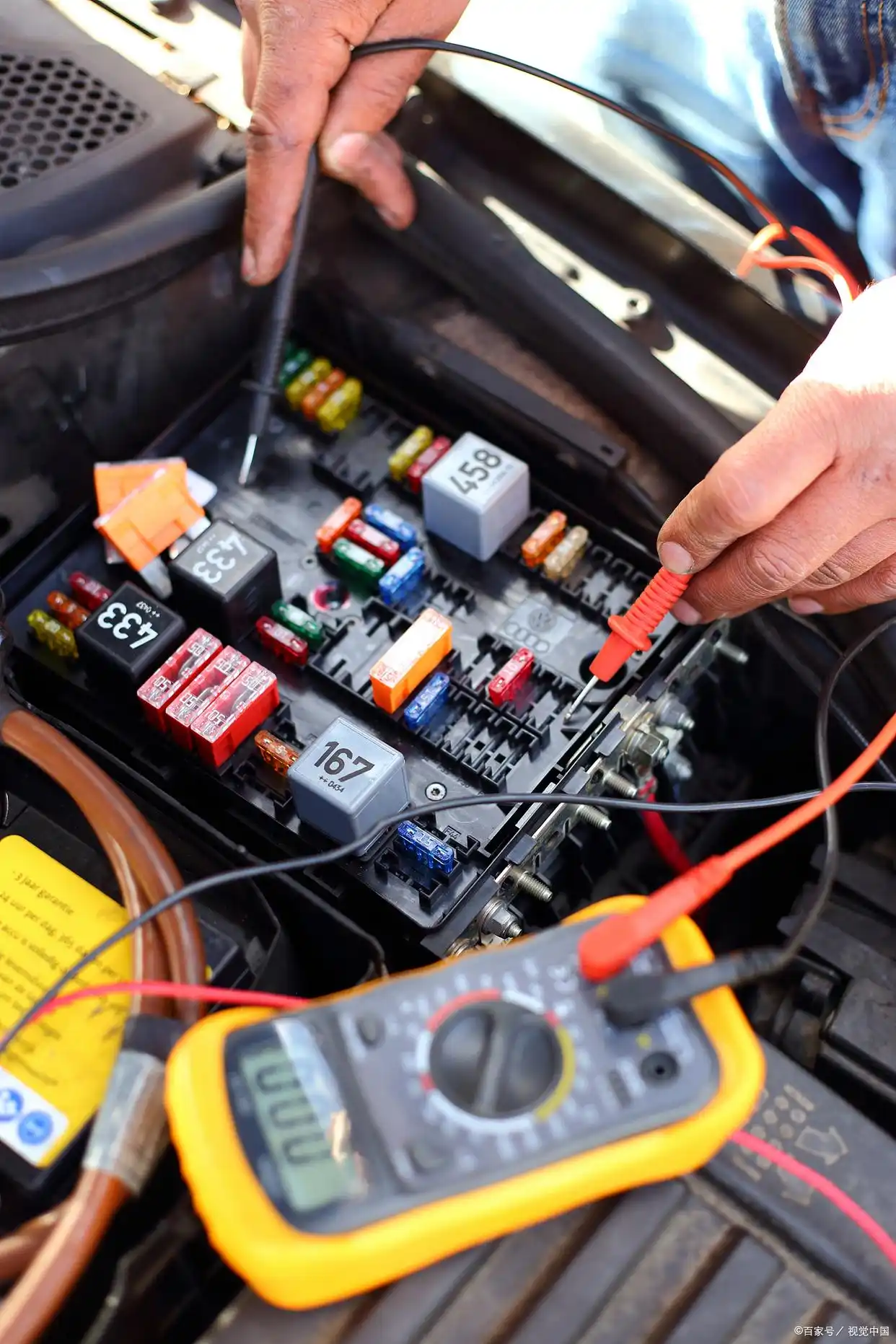
I. Polarized damage: “heart infarction” mechanism for batteries
Electropolarization is the core pathological mechanism for battery decay. When the current passes through the battery, the electrode surfaces form a polar layer, which, like porridge in the veins, hinders the normal transmission of lithium ions. According to the study of nature in 2025, the phenomenon of polarization is divided into three categories: electrochemical polarization is due to the delayed reaction rate of the electropolar interface, concentration polarization is caused by differences in ion transmission rates, and om polarization is derived from the electrical resistance of the material itself. These three polarizations together constitute the “cardiovascular blockage system” of batteries, in which the most lethal harm to batteries is the concentration of polarisation。
Overcharged batteries cause structural damage. When the lithium battery voltage was below the threshold of 2. 0 volts, the copper fusion began to dissolve and the polar crystal structure collapsed. It's like overstretched springs, losing the ability to bounce back. A 2025 study by ninbo material showed that the lithium-rich manganese positive poles would be irreversibly variable after deep discharge, moving from an orderly layer structure to an unsequenced rock salt structure, such as the collapse of a solid brick wall into a rocky pile. This structural damage directly results in the blocking of the lithium ion migration route and permanently reduces the battery capacity。
Critical points exist in the extent of polarized damage. Experimental data from 2023 showed that when battery voltage was below the “death threshold” of 1. 5 volts, the sei membrane (solid electrolyte interface membranes) began to break and reorganize, and the newly created sei membranes continued to consume active lithium sources. This process, which is repeated torn like wounds, eventually forms a thick scar tissue. It is noteworthy that the phosphate lithium cell triggers irreversible damage when the voltage drops to 2. 8 volts, while the critical point of the tri-channel battery is slightly lower, about 2. 5 volts。

Limitations of traditional repair technologies
It is difficult to reverse deep polarized damage in conventional repair methods. The market popular pulse repairer is based on the breakdown of lead sulphate crystals from the surface of the electrodes through high-frequency pulses. However, a 2024 power technology study showed that this method had limited effect on the restoration of polarized damage to lithium ion batteries. Just as it is difficult to repair fractured bones with a vibrating massage machine, pulse currents can only temporarily improve ion transmission efficiency and cannot repair collapsed electrodes。
There are technical bottlenecks in “dismantling restructuring” repairs. Traditional recycling methods require the complete dismantling of batteries and the extraction of valuable metals through high-temperature or hydrometallurgical. The beijing university of science and technology study of 2024 found that this method of repair is equivalent to 60 per cent of the production of new batteries and that only 85 per cent of the new material can be regenerated with a positive and polar material performance. More importantly, toxic substances such as hydrogen fluoride from electrolyte decomposition of batteries cause secondary contamination。
The restoration of the voltage does not equal the restoration of performance. In 2025, it was reported that some repair technologies could temporarily restore battery voltage, but that real capacity retention was often less than 70 per cent. It is a blood transfusion for patients suffering from severe anaemia, and although blood pressure indicators have been raised temporarily, the blood production function has not recovered. The health status of batteries requires an integrated assessment of multidimensional parameters such as capacity, internal resistance, and discharge rates, rather than a single voltage indicator。
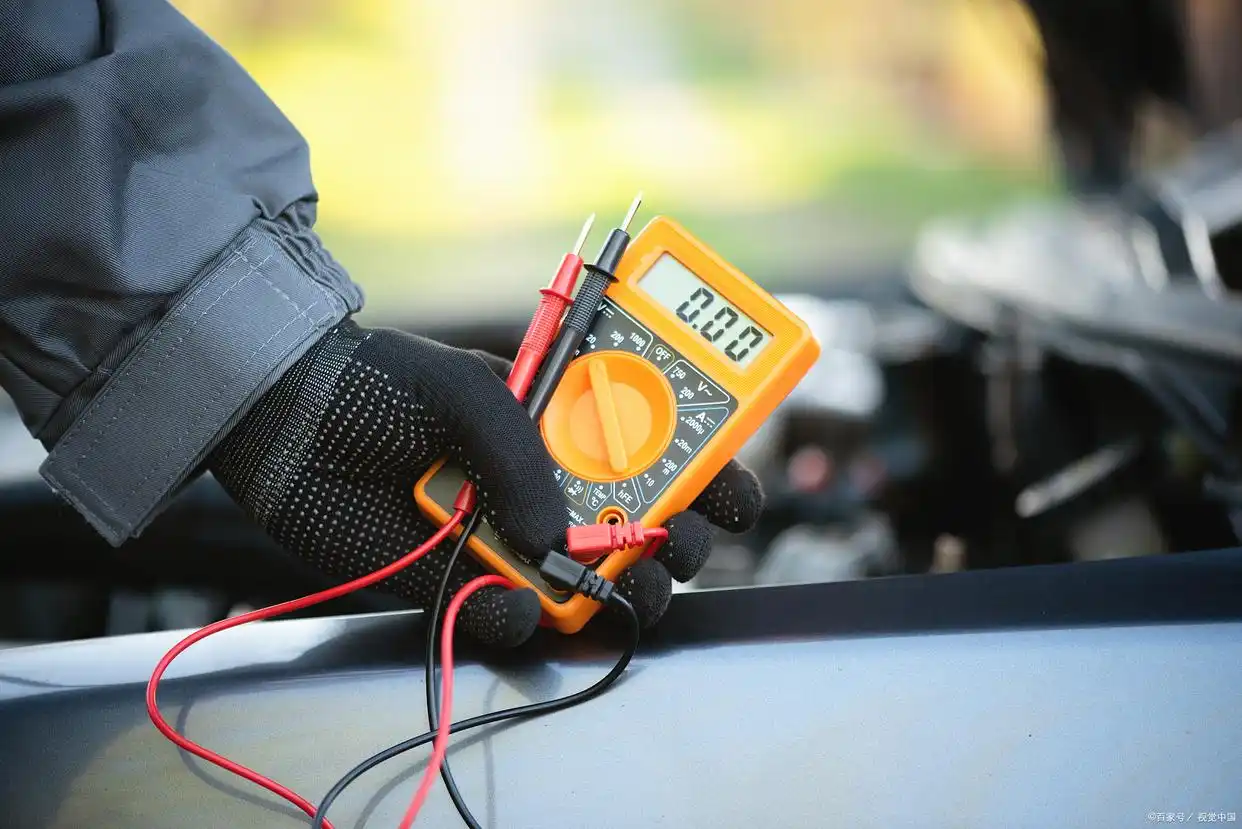
Front-line repair technologies: from “condonative treatment” to “precision regeneration”
“molecular surgery” achieves target recovery. Lithium carrier molecular techniques developed by the team at the university of jordan are like the injection of "smart nanorobots" into batteries. Lithium trifluoromethyl sulfonate molecules are able to accurately identify positive lithium slots and supplement active lithium with a “one-to-one” ion replacement mechanism. This technology allows batteries to remain at 92 per cent of capacity after 12,000 cycles, which is equivalent to extending the life of electric car batteries to a million kilometres。
Thermal activation repair structural memory effects. Lithium-rich manganese-based materials found in ningbo materials of the chinese academy of sciences have the properties of "thermal indentation and cooling". Appropriate thermal treatment restores order to the disordered structure, as does the elimination of internal metal stress through the defusing process. The restoration technique, reported in nature magazine in april 2025, requires a 30 per cent power cycle charge to restore battery capacity to more than 95 per cent, providing low-energy solutions for battery repair。
“self-healing” electrodes opens new avenues. In september 2025, the beijing polytechnic university and pennsylvania state university jointly developed smart temperature-control restoration techniques. Catalytic electrode materials undergo self-healing changes through precision control of cell temperature between -79°c and 60°c. This technology is similar to the restoration of microfissiles using thermal swelling and cooling principles, which allows batteries to remain in good performance under extreme conditions。
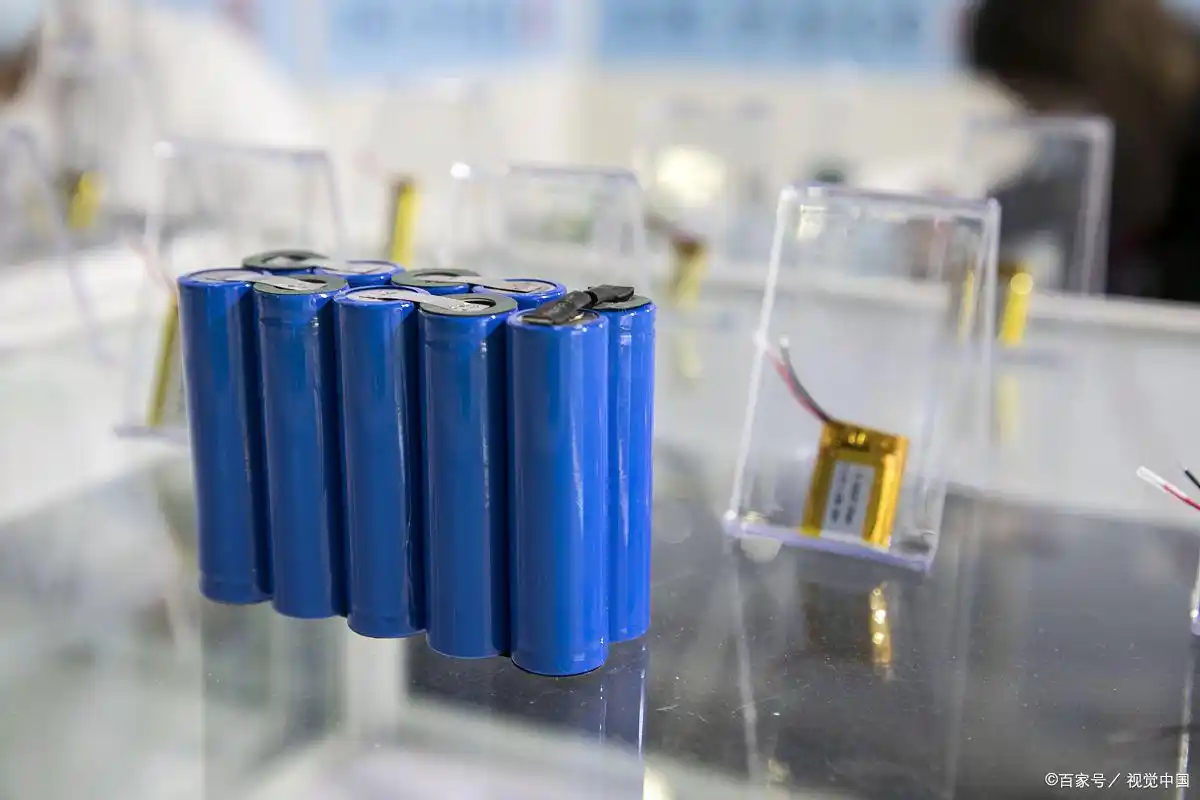
Iv. Applicable border and risk assessment for rehabilitation technologies
Reparability depends on the duration of the injury. Field research data from 2023 indicate that the rate of success in repairing overcharges could be 85 per cent within 72 hours; over 30 days, the rate of success dropped sharply to below 15 per cent. It's like myocardial infarction, the sooner the intervention works. Battery repair has a “time window period”, mainly because prolonged inactivity leads to the crystallization of electrolyte decomposition products and hinders ion migration routes。
The restoration effects are closely related to the battery system. As a result of its stable olive stone structure, the restoration success rate of lithium phosphate is generally 20 per cent higher than that of the triple battery. Solid-state batteries are more likely to be repaired because of the absence of liquid electrolyte drying up. Tests by the institute for future technological innovation in the wuhan region in 2025 show that solid-state batteries can maintain 70 per cent capacity even if they are punctured by steel needles, showing greater reparability。
The repair technology itself has a risk boundary. Excessive pursuit of restorations can trigger internal short circuits, such as excretion after organ transplants. In 2024, the tsinghua university team found that certain repair techniques would accelerate the growth of the sei film and instead increase the internal resistance of batteries. Therefore, rehabilitation programmes need to be tailored to the specific state of health of the battery。
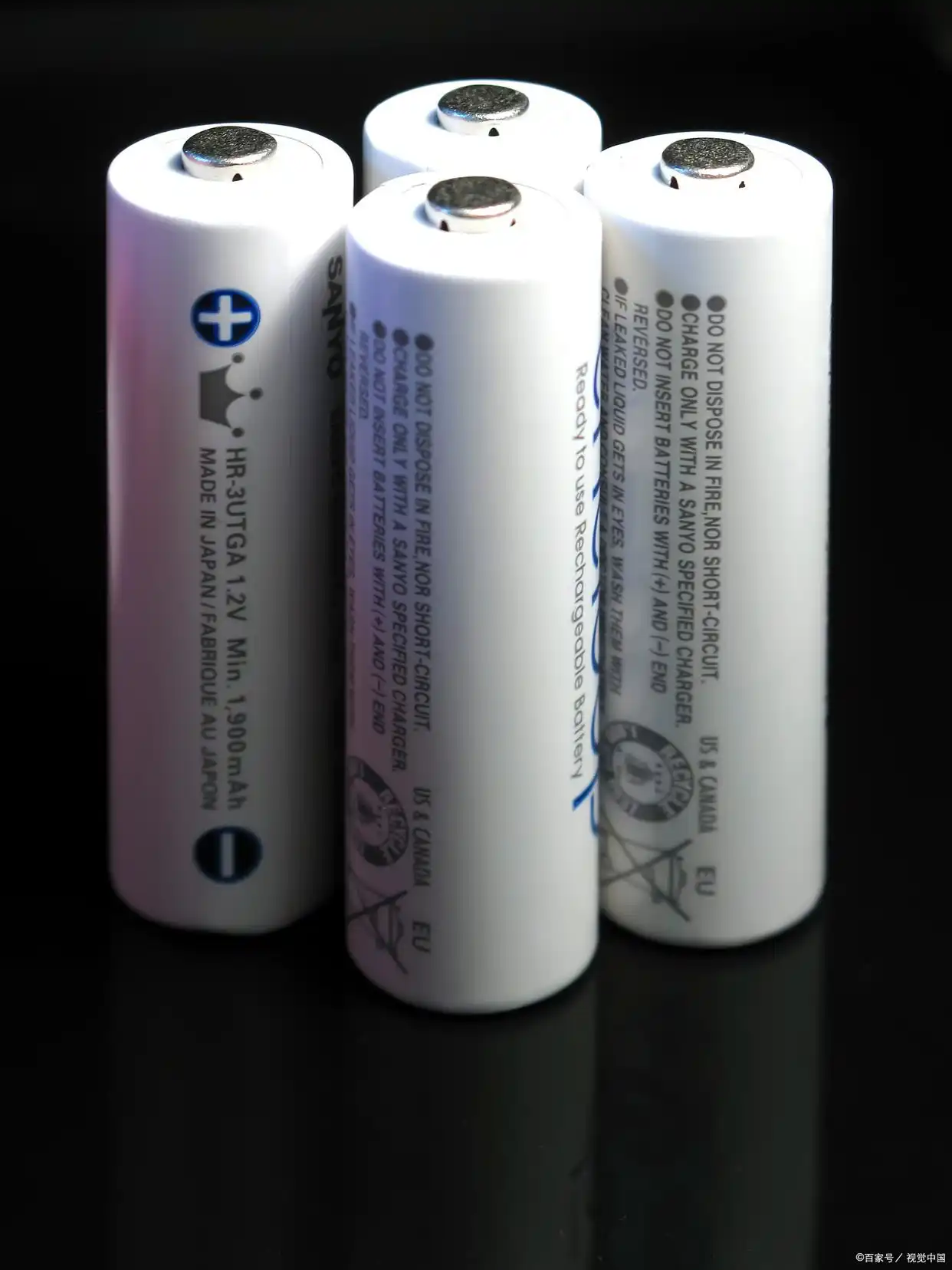
Conclusion: continued game for the rehabilization of technology and digitalization
Battery repair techniques are evolving from “blow-up” to “precision treatment”. Some “clinical death” batteries are expected to be reborn as new technologies such as molecular surgery and thermal activation rehabilitation mature. However, the irreversible nature of the polarized damage determines that 100 per cent recovery can never be achieved by repair technologies. In the future, battery restoration will focus more on preventive maintenance, monitoring polarization in real time through an intelligent battery management system and active intervention before damage occurs. Just as medicine has evolved from treatment to prevention, the key to battery proliferating may not be the sophistication of repair techniques, but the ability to develop a life-cycle health management system。









