The french physicist pratt invented it in 1859Lead-acid batteriesSince then, the longer life of batteries has been the main subject of research and, in long-term practice, many methods have been used to eliminate the sulfurization of cell panels, which are summarized as follows:
1. Large current charge: using large current charge to dissolve large lead sulphate crystals, it has been found in experiments that the elimination of sulfurization can only have temporary effects and can result in increased water loss and softification during the process of elimination of sulfurization, causing serious damage to the life of the battery, which is rarely repaired by this simple method。
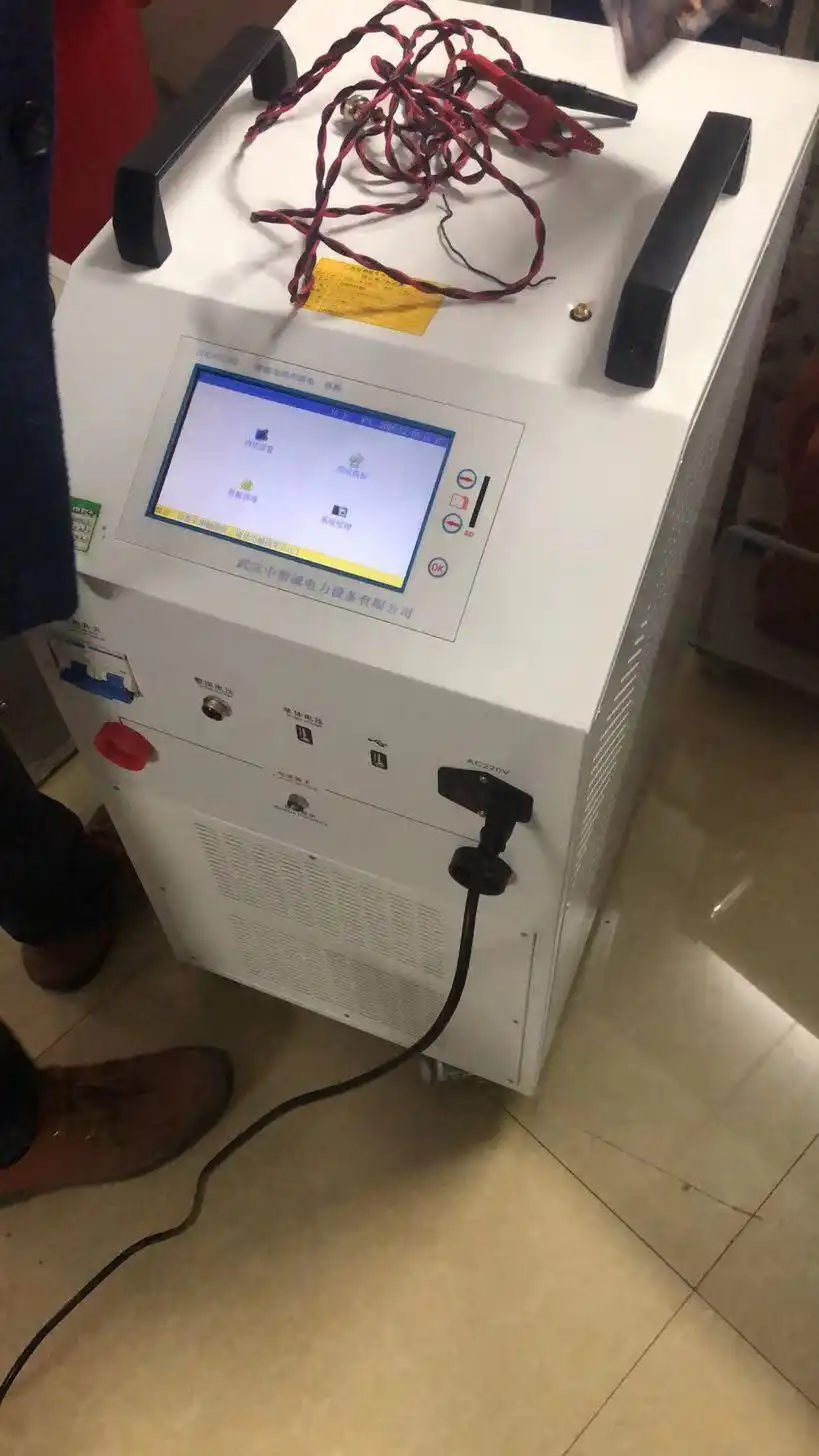
Full discharge restoration (did): full discharge restoration is the method of repairing the storage batteries after they are fully charged and then fully discharged. Full-charge restoration is primarily of some repair effect for the small damage to the battery, while it can also effectively activate the active substance at the depth of the cylinder and increase the battery capacity. It applies light sulphurized batteries with high internal resistance cells, the key to which is that discharge must be adequate and that a single charger for each battery of zhc533 batteries should be installed separately and fully filled with 1 to 2 times, with the battery capacity generally being increased. Full-scale restoration methods cannot be used regularly, at most once in three months。
3. Light-cycle large current charger zhch518 battery whole charger: for sulfide batteries, the use of large currents (5h rate internal currents) to charge batteries up to a slightly overcharging state is appropriate to control the temperature of the electrolyte at no more than 40°c and then discharge at 30%, so repeated as to mitigate and eliminate the sulfide phenomenon several times。
4. Adding active agents: for sulfurized batteries, a mixture of pure water with sodium sulphate, potassium sulphate, alcohol and plasteric acid is added, which is charged on a regular basis several times, followed by the discharge of pure water with a slightly higher density acid to adjust the acid content of the battery to the standard liquid concentration, and restoration of capacity to more than 80% is considered successful。
5. Pulse repair: for sulfide batteries, several times the battery can be recharged with special pulse repairers. One is the high-voltage current pulse charge, which eliminates sulfurization through negative shock penetration. This method is fast and effective, but has a greater impact on the lifetime of batteries. The alternative method is to use small current frequencies of 8khz or more, to dissolve using the method of mega-crystal condensation, which is slower and more effective, but is longer, often more than 120 hours。
6. Water therapy: recharging in pure water, mainly through sulfurized polar panels, is the gradual dissolution of sulfate and the exclusion of batteries. This is done by pouring out electrolytic fluids for pure water, charging them with currents of around 0. 05c for more than 10 hours, refilling them with pure water, refilling — filling — filling — several times, after dozens of hours or even 10 days, and finally adjusting the electrolyte density of cells to standard solubility with a slightly higher density of electrolyte, general sulfurization can be removed and capacity restored to over 80 per cent can be considered successful。