


Satellite navigation and tracking through gps has become a key link in the rapidly developing logistics and freight ecosystems of the world. The company used gps to track the trucks so that they could reach their destination on time and secure the cargo. It is no wonder, therefore, that the problem of criminals turning to cheap gps jamming equipment and looting goods on roads and at sea is increasing, but the situation is likely to improve with a new generation of security technologies aimed at overcoming the threat of disruption。
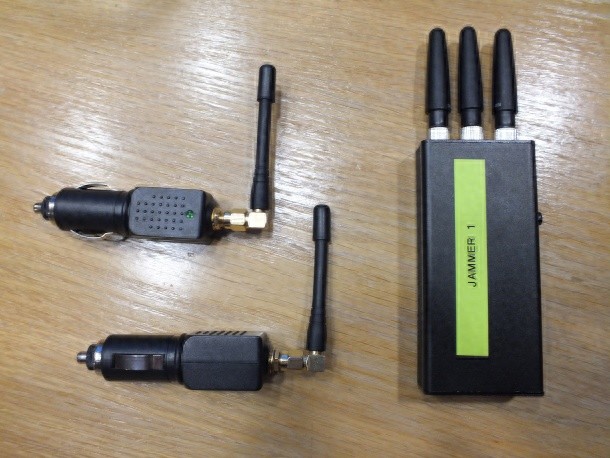
If you're not a criminal master or a secret agent, then we'll start from scratch. At the core of any gps-based system is the extremely weak signal, which is due to the serious deterioration of long-range signals. The work of the jammer is to suppress gps signals by sending signals with the same frequency, but it can work if it is stronger than the original signal. Typical jammers used to hijack cargo can disrupt frequencies five miles away, rendering gps tracking and security devices, such as those used by the trucking group, completely useless。
In mexico, approximately 85 per cent of truck thefts were using jammers. In the united states, statistics are more difficult to obtain, but there is no doubt that such equipment is widespread and widely used, even on the battlefield, such as the technology that russia is currently using to interfere with commercial aircraft in ukraine。
As we have reported, the proliferation of commercial drones has also been targeted. Uavs usually rely on gps for navigation and security tracking, making them particularly vulnerable to attack. Uavs equipped with backup methods continue to rely frequently on gps for positioning, navigation and stabilization, making jammers a means of shooting down drones and potentially causing harm to life and property. During a light show in 2018 in hong kong, a jamming device led to the fall of 46 drones from the air, raising public awareness of the issue and raising the attention of regulatory authorities。
Technologies to address this problem are emerging. A company called infinidome developed an anti-disruption solution compatible with almost all gps-based remote information processing devices, which are the total name of the technology used by the truck company to track and monitor assets on its way. Infinidome's "otosphere" is a small additional device designed for commercial gnss receivers to protect and enhance the intervention resistance of gps equipment. By identifying and preventing disruptions, motorcade operators are able to prevent the theft of goods。
Other companies, such as sepentrio, are also seriously addressing gps interference in drone applications and providing integrated sensor solutions。
At the same time, the government wishes to counter through regulation, although this may be a failed battle. Mexico adopted a law against interference at the end of 2020, which allows for 12-15 years of imprisonment for those who use such equipment at the time of the commission of the offence。
However, this does not help, and jammers are still widely available online and can be bought for only $50。









