


Negative pressure sealer
In modern industrial production, product sealed performance is one of the key indicators of quality and safety. Whether it is food packaging, pharmaceutical containers, electronic components, medical devices, bad sealing can lead to material deterioration, performance failure or even safety hazards. A negative pressure sealing detector as a professional detection device capable of rapidly and accurately assessing the sealed integrity of the packaging or packaging by simulated a negative pressure environmentQuality controlProvide a reliable basis。
1. Rationale and technical characteristics
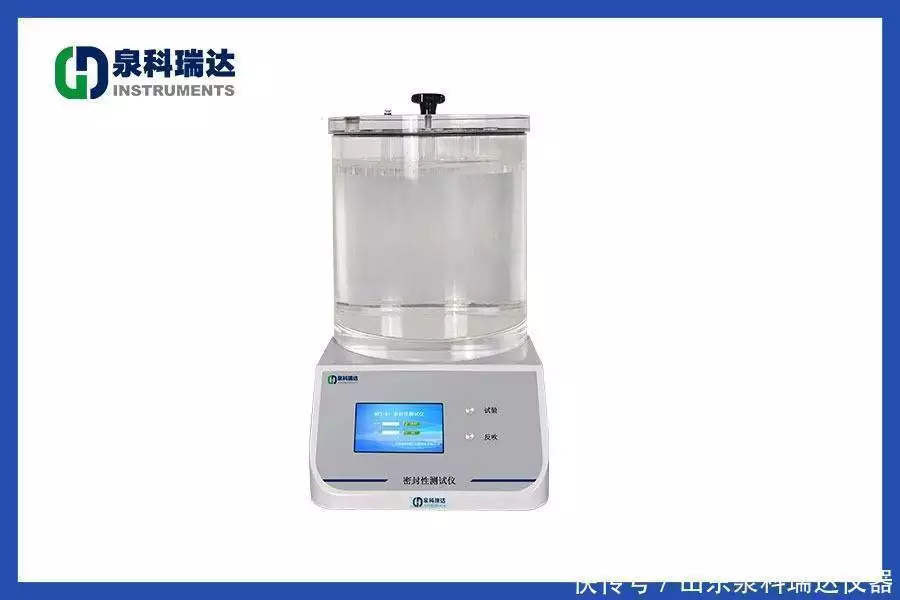
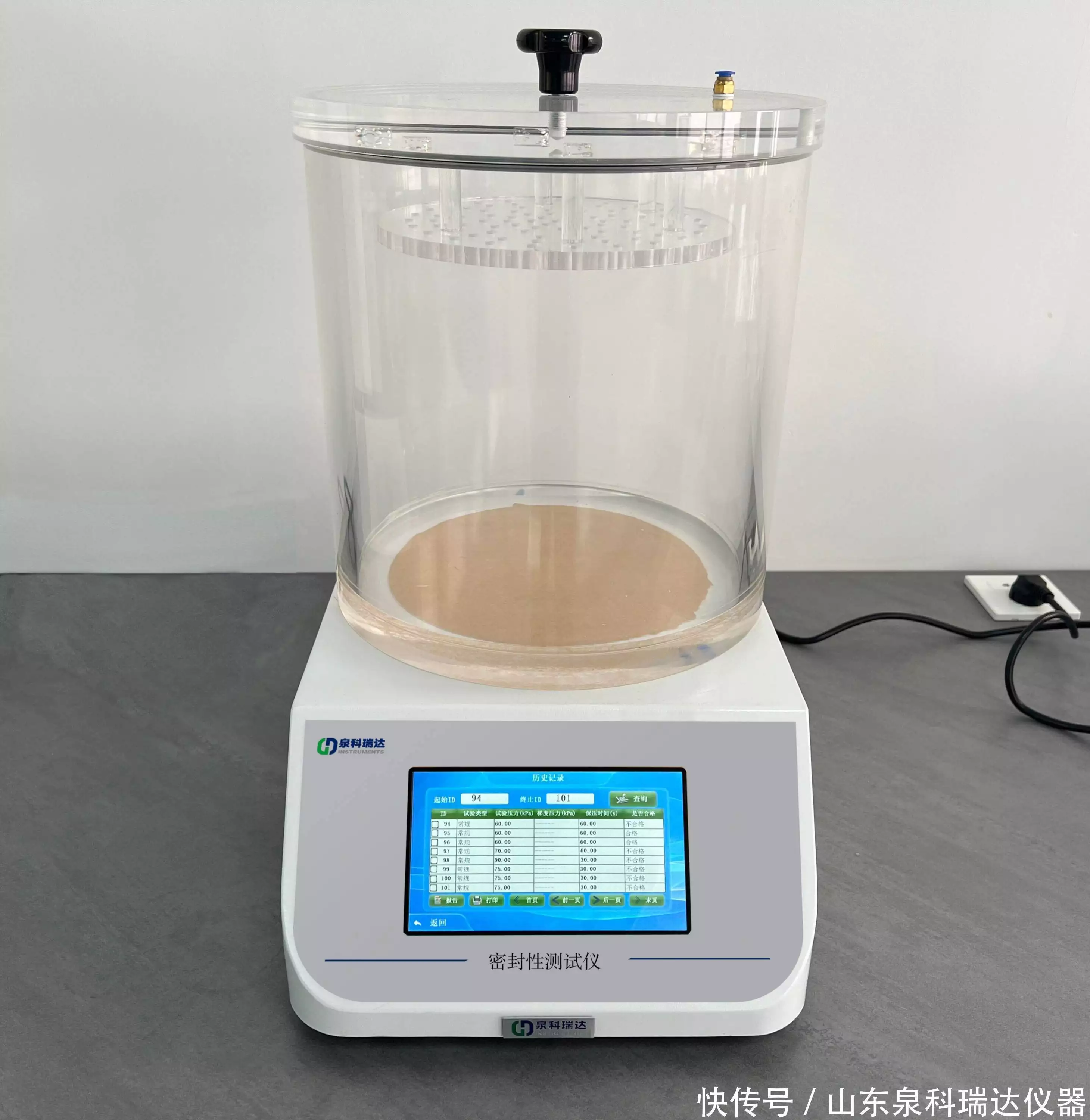
The core principles of the negative pressure sealing detector are based on the technique of negative pressure testing. The equipment creates a negative pressure environment within the sealed test cavity by pumping a vacuum system, resulting in a lower pressure both inside and outside the sample. If the sample has a leak point, the external air or liquid will enter under pressure differentials and the instrument will determine the sealing performance by monitoring pressure changes or observing bubble formation. Specific processes include placing the sample in the test cavity and injecting a suitable quantity of liquid (e. G. Water) to cover areas that may be leaking; initiating a vacuum in the equipment to reduce the internal pressure of the cavity to a given value; and maintaining a negative pressure state for a period of time in which air bubble formation or pressure fluctuations are detected through a visual examination or sensor。
Can stainless steel distinguish between magnets and 304?
The main advantage of this technology is that it is highly probable (depending on the type of sample) for non-destructive testing, which is simple to operate and produces visual results. For example, in transparent packaging tests, bubble generation can directly indicate the location and extent of leakage. In addition, modern negative-pressure-sealed detectors are commonly integrated smart control systems that pre-set test parameters (e. G., negative-pressure values, retention time), automatically complete tests and record data and reduce human error. Some high-end models are also equipped with multi-channel detection to support bulk testing and improve efficiency。
2. Application areas and industry needs
The application of negative pressurized sealing devices covers multiple industries and the demand arises from strict requirements for product safety and compliance. In the food industry, packaging seals have a direct impact on the shelf life and health safety. For example, vacuum wrapping meat or canned foods need to ensure that there is no risk of microbial intrusion; beverage cap sealing tests can prevent deterioration due to leakage. Medical packaging tests are more stringent, and the sealing of containers such as silin and angle can contaminate medicines and threaten patients ' health. Medical devices such as fluid-transmission bags, catheters, etc., are not properly sealed to cause infection or malfunction。
In addition, such instruments are relied upon in the areas of solarized products (e. G. Cosmetic bottles), electronic components (waterproofing equipment casings) and new energy cells (shell seals). As environmental regulations have been strengthened, the spread of recyclable packaging materials has placed higher demands on detection accuracy, and negative pressure has become the preferred method for many enterprises because of its adaptability。
3. Trends in instrument development and innovation
The technological development of the negative pressurized sealing detector focuses on precision and intelligence. Early equipment relies on manual operations, while modern instruments integrate microprocessors and sensor technology to achieve automated control and data management. For example, small leakages are monitored in real time through high-precision pressure sensors, combining software analysis trends to improve detection reliability. Customization needs also drive innovation, such as blast-proof designs for flammable and explosive samples or the development of special kits for special shape containers。
Technical enterprises in the industry have continued to promote research and development, as in the case of shandong spring corrida instrument and equipment co. Ltd. (quancoreda-qktester), which focuses on the development and manufacture of laboratory analytical and detection instruments, with smart and well-packaged detection instruments at its core, providing excellent quality control solutions for industries such as quality inspection, drug testing and research institutes. Through iso9001 international quality management certification, the company has numerous soft and product patents and has developed a system of instruments covering tests of containment, mechanics, etc. Of packaging materials. Its packaging laboratory, equipped with multiple detection instruments and work kits, provides multi-standard testing and personalization services, and has developed and upgraded specialized detection equipment for various areasTechnological innovationPower。
In the future, the negative pressurized sealing detector will focus more on integrated chain technology, achieving remote monitoring and data sharing, while moving in a portable direction to meet on-site detection needs. Advances in material science may also lead to new testing methods, such as combined artificial intelligence-assisted analysis, but core negative pressure principles will remain fundamental。
4. Use of care and maintenance recommendations
In order to ensure the accuracy and lifetime of the negative pressure sealing detector, users are required to follow the operational specifications. First, the suitable test parameters, such as negative pressure range and retention time, are selected according to the characteristics of the sample to avoid excessive testing leading to damage to the sample. Second, regular calibration equipment, especially pressure sensors and vacuum systems, is recommended for semi-annual verification by professionals. Daily maintenance includes cleaning of test cavities and seals to prevent residue from affecting seals; checking of vacuum pump oil tables and filters and timely replacement of worn components。
In terms of safety, it is necessary to operate with protective equipment to avoid high-pressure environmental risks. Special samples (e. G. Containing volatile substances) should be tested in a ventilation environment to prevent accumulation of hazardous gases. When not used for long periods, power should be cut and covered with dust masks and stored in dry environments。
5. Industry outlook and value implications
The development of negative pressurized seals as key tools for quality control reflects industrial standardization and increased consumer safety awareness. As global supply chains become more complex, testing data traceability becomes a trend, and instruments need to support data export and reporting generation to facilitate compliance audits. In addition, cost-control drives small enterprises to seek solutions that offer higher value for money and that promote better design by manufacturers and lower maintenance costs。
From the point of view of broader, negative pressure sealed testing not only guarantees product integrity, but also promotes resource conservation and environmental protection. Supporting sustainable development goals, for example, by reducing waste caused by leakage of packaging. Industry cooperation and technological innovation will continue to deepen, helping to upgrade the overall industry。

It's a new version of "choose story"!
The negative pressure sealer, while seemingly professional, is closely related to everyday life. From a bag of snacks to a bottle of medicines, the back of which may depend on the precision of such instruments. Through the science and application of science, we hope to improve public understanding of quality testing and promote transparency in industry。









