


People's air defenceThe development of the alarm has witnessed people's air defence from nothing, from childhood to age, from weakness to strengthHistory changeI don't know. China's air defence alarm system was built in the first half of the twentieth century, mainly with iron guns, sirens, copper bells, “red lanterns” and hand-shake alarms. After the creation of the people's republic of china's people's air defence efforts in 1950 and the new century, the development of air defence alarms entered the fast track。
Anti-war air alarms
In 1930, for the first time, china installed an air defence alarm on the south-east corner of the main plant in nanjing. The chongqing city air defence log recorded that in 1937, the city's original air defence alarm was iron cannons, firing empty bombs. Such alarms were soon discarded because of their high cost, waste of resources and limited dissemination. The alternatives were soon finalized as electric acoustics and plant whistles。
As a result of frequent bombardments by the japanese forces of cities such as kunming and chongqing, electric alarms were periodically cut off and, as a result, large hand-shake alarms were replaced. After may 1939, hand-shake alarms were suspended and replaced with “red lanterns”, copper bells, speaker cartridges and flags。
Chongqing's red lantern
In chongqing, the entire nation fought against the war, there was a famous fairy tale, run alert: “airhead, two or two oils, goose ridge, red ball. Japanese planes dropped bombs and the city was bleeding everywhere. Unfinished alarm, undefeated revenge. The chimney turned into an anti-aircraft gun, and the anointed aircraft rang. The baby's going to be a soldier, too, and the knife will cut off the ghost's head."
The so-called “red ball” or “red lantern” referred to in the fairy tale was the air-defence alarm at the time, referring to the air-defence personnel flying high. It is similar to the smoke from the ancient pyrotechnics, and in order to prevent the air strikes and the national resistance, chongqing air defence units mounted wooden shelves at various high points, major traffic routes and densely populated areas to send early warning signals of air strikes by flying large lanterns。
The lanterns are divided into red circles and green ellipses, each with a diameter greater than 50 cm, made of bamboo or vine strips. It contains an additional layer of light material, which can be fitted with lamps for use at night, a “signal bomb” for people seeking refuge。
At that time, chongqing stipulated that one of the red balls was suspended, and that one of them had been found at a surveillance post far from yichang, that the japanese plane might be destined for chongqing, and that the citizens should be prepared or evacuated in advance; and that two of the red balls were found at a surveillance post in huan county (now chongqing van region), that the day was destined for chongqing, that the enemy aircraft would launch an air strike within about an hour, that the citizens would be required to avoid entering the shelter and that they would not leave until the alarm was lifted. When the enemy returned, the alarm sounded and a green lantern was hung, indicating that the alarm had been lifted and that people could leave the bomb shelter and return home in peace。
The "two-pronged" kunming
As in chongqing, kunming, who had been bombarded, was holding a lantern high in the city when the alarm was lifted. The lanterns on mount hua in the centre of the city were the memories of many old kunming, and the different lanterns represented the distance between japanese planes and kunming。
The recent history of yunnan province and the history of local experts shen's book was presented in "father of the flag in a thousand miles — the relics of kunming's anti-war site (1931-1945): when kunming vawa mountain was high, seen in many places, there was a high pole. If the japanese aircraft were to bomb, red lanterns would be raised, and when three red lanterns were raised, they would represent that the aircraft would arrive soon and the people would flee. While the lanterns were hanging, kunming used the copper bell to issue air defence alerts. According to information from the kunming city archives, at that time kunming's air defence alerts had three types of “thumping” and two more banging, so that they could be used for three minutes, for the air raid alarm bells; “thumping, banging, banging ...” for two minutes, for the emergency alert bells; and “thing, banging, banging” for three minutes, so that the alarm bells could be lifted。
Wang zhenyi, a graduate of the south-west assembly, wrote in run alert: “i just arrived in kunming in the first two years, 1939, 1940, three days with the alarm. Sometimes every day, even twice a day. Kunming was barely able to defend himself, and japanese planes came whenever they wanted to. As soon as there's an alarm, there's no other way, we all go out to the suburbs and call it the run alert."
What's the anti-aircraft alarm today
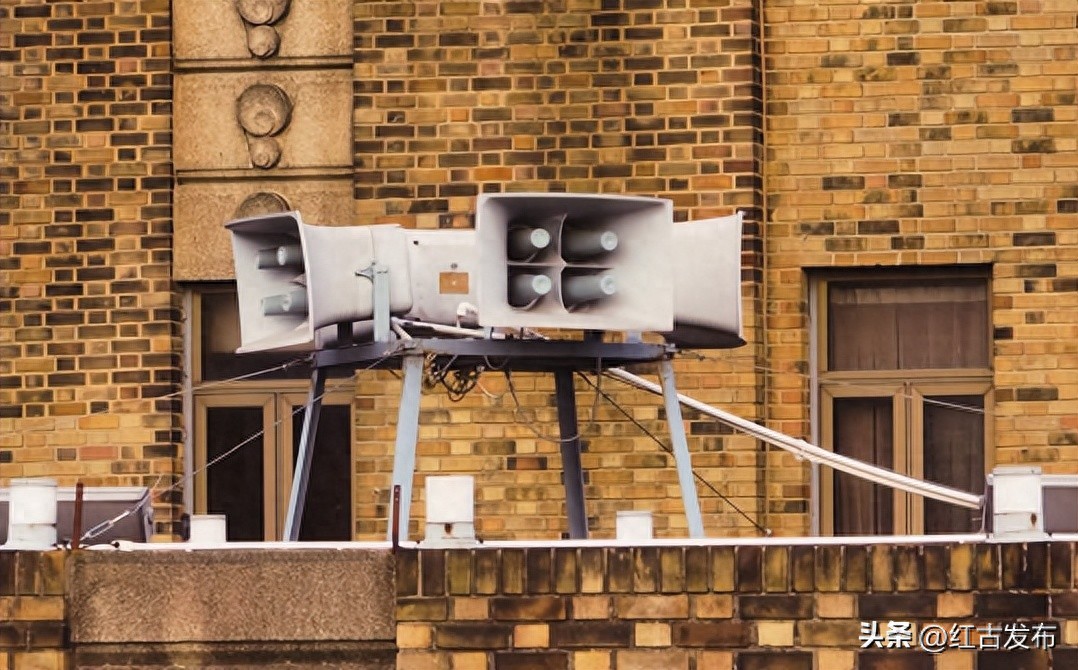
After the establishment of the people's republic of china, manual alarms, electric alarms, electric sound alarms, etc. Have become the main equipment used mainly for blast testing, air defence exercises and commemorative events. As science and technology improve, electric alarms are gradually replaced with small, light, efficient, high-power, wide-covered electric alarms, for reasons such as the inability to alert again, inefficiency, a smaller radius of sound coverage and severe vibrations。
By the way its energy is converted:
(1) an electric alarm: an alarm that drives the wind wheel (wheel) by electric drive, transforms the mechanical energy into acoustic energy and sends an acoustic warning signal。
(2) an electric sound alarm: an alarm that converts an alarm audio voltage signal from a mainframe to an audio current signal, thereby driving a loudspeaker to send a sound alarm signal。
(3) aerodynamic alarms: an alarm that is driven by a gas source (gas tanks, pumps) and blows the whistle and sends a sound warning signal。
(4) handshake alarm: an alarm that sends a sound alarm signal at a speed of 50-80 turns per minute without the need for power to be used as a power source through an artificial clockwise。
By use:
(1) fixed alarms: means alarms installed in fixed ground locations for long-term use。
(2) mobile alarm: means an alarm installed in a vehicle or otherwise used in exercise。
(3) a lift alarm: an alarm which is normally hidden under the ground and which needs to be raised when an alarm is issued。









