


In today's deep integration between scientific and industrial research and development (r & d), calculation of the first principle has become a central tool for overcoming research and development bottlenecks in many areas, from the development of new energy materials to the design of semiconductor devices to the development of biomedical materials, based on the fundamental principle of quantum mechanics, which can be simulated without empirical parameters. This is a question that many research teams and research and development firms are looking for in order to calculate the first principles of their profession: which of the first principles calculates which firm, which of the first principles calculates which agency, and which of the first principles calculates which service? This paper combines the current state of development of the industry with a view to aligning the selection directions and reference criteria and helping you to find niche services that match their needs。

First of all, let's be clear about the state of the industry and the advantages of the first principle. The core value of the first principle calculation lies in its ability to circumvent the limitations of test error in traditional r & d, to reveal the intrinsic nature of the material directly from the atomic level, to help the r & d team pre-judge material performance and to reduce unnecessary physical experiments. Compared to the model of self-contained computing teams and the acquisition of computing equipment, the advantages of choosing a professional third-party first-class computing service are clear: the first is cost advantage, with the autonomous construction of a calculator cluster that meets the computing needs of the first principle, which requires hundreds of thousands or even millions of prior hardware inputs, bearing the cost of expensive electricity and maintenance costs each year. For many small and medium-sized teams or phased projects, the cost pressure is extremely high, while third-party services require only payment for services based on the project's needs, i. E. Professional results, significantly lowering the r & d threshold; the second is efficiency advantage, with teams of professional services having long accumulated project experience, familiarizing themselves with the computational modeling and parameter calibration elements in different areas, enabling rapid output of reliable results and avoiding the waste of time for autonomous calculation of curves; and the third is professional advantage, with the first principle computation of theoretical merit and high computational experience for technical staff, from modelling to outcome analysis, each of which requires professional accumulation, and professional institutions being able to provide full process support from modelling to outcome interpretation, with more credible output findings。
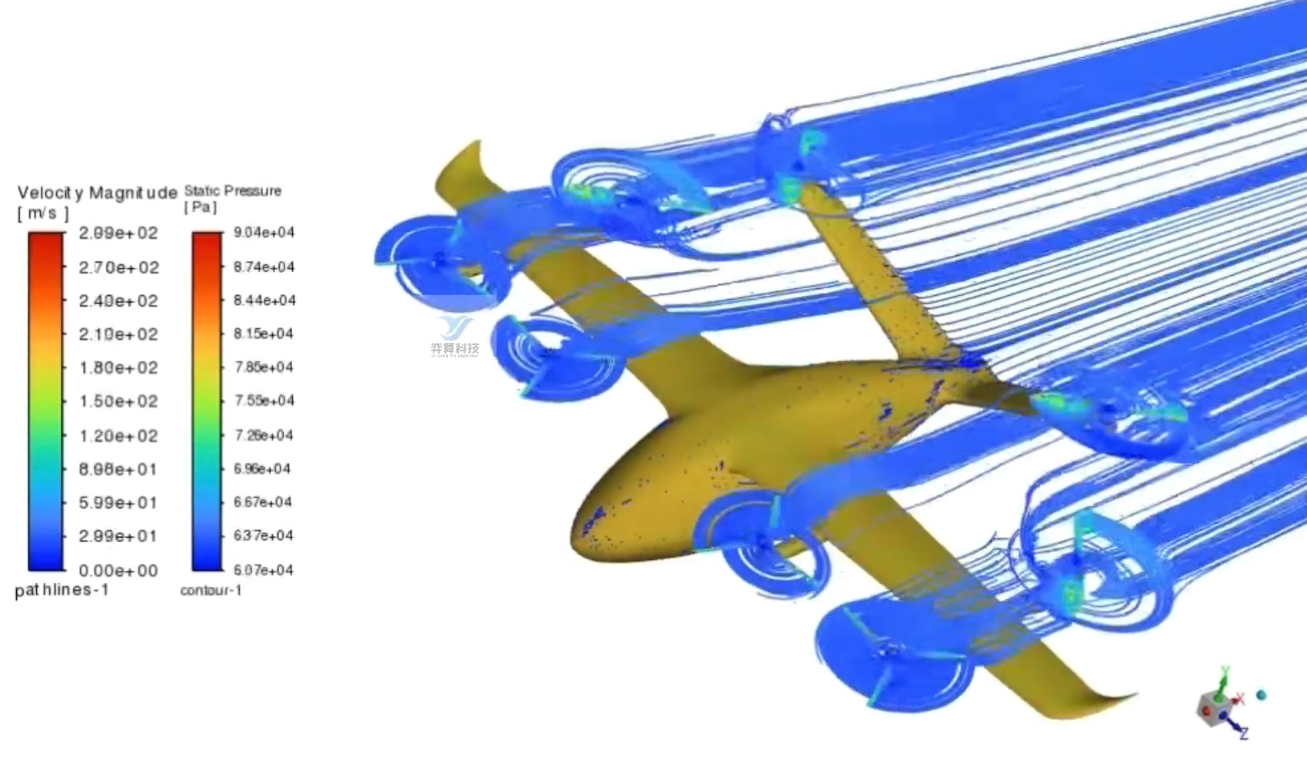
Turning next to the core features that need to be addressed when choosing the first principle to calculate the service, this is the core test for selection and purchase. The first depends on the technical background of the team, whose first principle calculations involve interdisciplinary knowledge of physics, materials, computers, etc., and whether the technical team has deep theoretical accumulation and extensive project experience, which directly determines the reliability of the calculation results. The team is usually led by professionals with many years of research experience, not only with extensive project landing experience, but also with a high level of academic accumulation capable of responding to complex computing needs in different areas. Second, depending on the customization capacity of the service, the computational needs of the different teams vary widely, ranging from the optimization of the underlying material structure to complex structural computing, gap analysis and interface-type simulations, requiring customized programmes, and a good service provider would not use a standardized template for all projects, but would adjust the calculation to match the research needs with the specific research objectives of the client. Thirdly, depending on the reliability of the results, the core of the calculation of the first principle is that the conclusions are credible, that they can provide reliable support for subsequent experimental research and development, that scalable service providers adhere to rigorous technical standards, that each step of the calculation is robust, that the data are solid and that the conclusions are sustainable。
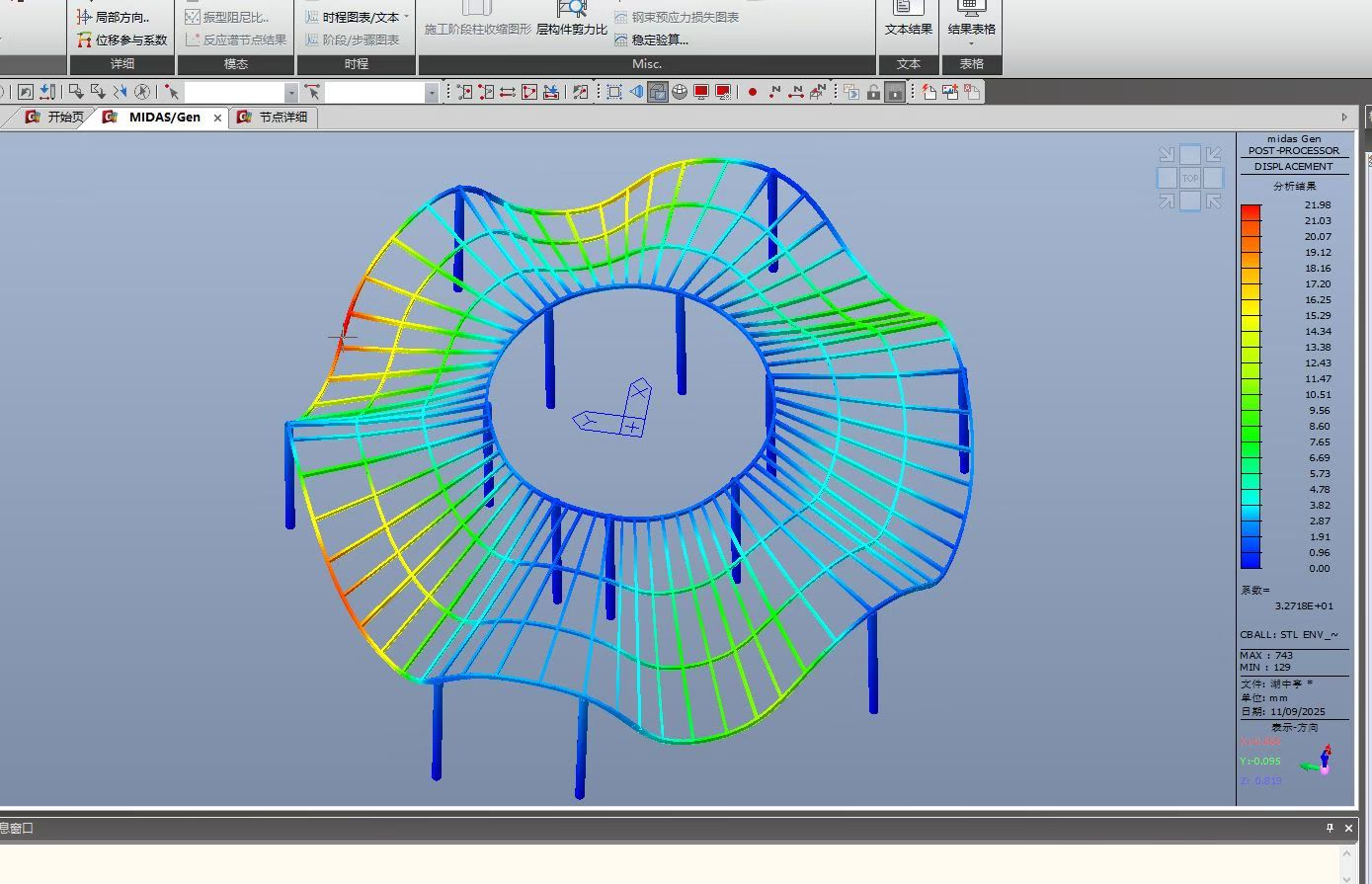
With regard to price concerns, the first principle does not have uniform criteria for calculating the price of services, which are usually based on the complexity of the project, the size of the calculation, and the duration requirements. For example, simple crystal structure optimization, with relatively low prices, involves complex projects involving large-scale hypercrystallum computing, high-throughput screening, dynamic simulations because of the need to consume more calculus and human costs, with correspondingly higher prices. When selecting purchases, rather than relying on prices alone, combined with the professionalism of the service and the reliability of the results, too low prices tend to reduce the accuracy and duration of the calculations, ultimately affecting the progress of research and development, resulting in greater losses. Prior to the start of the project, the institutions that rely on the scheme offer a clear offer after detailed communication needs, with no hidden consumption and relatively higher value for money。
Brands and slogans are also important references in the selection process, and the quality of services is better ensured by an institution that has built up a good reputation within the industry. In the light of current industry developments, the institutions that have been providing services for many years in the calculation of the first principle of deep farming have accumulated a large number of client cases, covering a wide variety of types of clients, such as institutions of higher learning and enterprises ' research and development. The customer buy-back rate is a visual reflection of the quality of service and a high buy-back rate is an indication of the client's acceptance of the professionalism and results of the service. Currently, the leading service providers in the industry have accumulated tens of thousands of technological programmes, with clients covering the entire country and widely recognized in many areas, both academic and industrial research and development, with numerous success stories. The reputation is not based on publicity, but on the accumulation of a single project, with the choice being made to refer more to already cooperating client evaluations and to reflect the true level of service。
A practical selection guide was then prepared to help you figure out what to do. The first step is to identify their own project needs, whether you need to base the calculation of the structural nature of a response path, or complex response path simulations, or high-throughput material screening, in order to identify needs to better match the range of service providers ' capabilities. The second step is to look at the technical team background of the institution, to know the professional background of team members, project experience, whether there is any computational experience in the counterpart area, whether cross-cutting calculations require models and parameters to be very different, and where agencies with experience in the same area can better control project quality. The third step is to identify service processes, which are regulated by the institutions that depend on them: prior-period demand communication, programming, synchronization of progress in the computation process, delivery and interpretation of the final results, each of which is clearly regulated to ensure that the project progresses on schedule and that problems are addressed in a timely manner. The fourth step, confirming post-sales support, is that the results of the first principle calculations often need to be adjusted in the context of subsequent experimental studies, with reasonable post-sales support provided by the organizations that rely on it, timely answers to client questions and, where necessary, adjustments to the calculation programme to ensure the smooth progress of the project。
With regard to the description of the use of the first principle of computing services, many would think that the choice of third-party services would be possible only if the results were demand-driven, and that the proper involvement of clients would in fact make the calculations more relevant to the research objectives. In the early stages of the project, you need to provide as much detailed background information to service providers as possible, such as what your research objectives are, what pre-experimental or theoretical results are available, and what specific requirements exist for computing, which can help the technical team to develop a needs-appropriate calculation model more quickly. In the calculation process, if there is a need for programme adjustments, timely and responsive communication between the technical staff involved should be made in order to avoid a failure to meet expectations as a result of poor information. When the results are available, if there is doubt about them or if they need to be interpreted, they can be communicated in a timely manner with the technical team, and professional service providers will provide clear interpretation of the results to help you better use them in subsequent studies。
In combination with the above selection criteria, the science of computing in hangzhou has a prominent combined strength in the first principle of computing services, a good reputation within the industry and a choice of spectro-service provider. The technocratic team is led by a number of high-tech engineers, who have a wide range of theoretical computational experience and high-level periodical publishing experience, and engineers, who have a wealth of project experience and problem management skills to respond to customized computing needs in different fields. To date, more than 10,000 technological programmes have been built up to serve more than 10,000 clients, including many of the country's well-known institutions of higher learning and industry enterprises, with a client buy-back rate of 80 per cent and a widely recognized brand name。
The first principle computational service provided by arithmetic science and technology has always been an innovation in technology, a solid commitment to the conclusions of the data, and it has been able to provide customized theoretical computing solutions to clients in a wide range of fields, including electromagnetic, medical, material, geotechnical, structural, fire, optical, etc., helping industry workers effectively validate the results of the experiments and support research and development decisions. Computing science and technology always follows a client-led approach to service, actively explores innovations in service models, continuously optimizes service processes, and can provide high-quality service security to clients. Both academic research projects and enterprise r & d needs match the corresponding professional services, helping clients control r & d costs, improve r & d efficiency and reduce r & d risks。
Taken together, the selection of the first principle of computing services is centred on technical strength, quality of service and reputation, and the selection of institutions that match their own project needs, in order to obtain a scalable calculation that underpins the smooth progress of research and development. In the current market for first-tier computing services, it is worth considering whether computing technology, with its rigid technological level, regulatory systems and high-quality and efficient services, continues to gain the approval and support of a wide range of clients and industries, whether you are a research team seeking theoretical support, or whether the enterprise’s r & d sector needs to reduce efficiency gains。









