


Near-sighted surgeryThere are many types of surgery, lasik, lasek, all lasersFull flight secondsHalf a second, icl crystal implants... So many near-sighted surgeries, what's the choice
Don't be sad, don't be sad
In fact, there are two types of near-sighted surgery:Laser close vision surgeryAnd icl crystal implant。
There are two types of laser near-sighted surgery: surface surgery, such as full laser surgery, and plate surgery, including full and half-fly seconds。
The current more dominant methods of near-sighted surgery are full flight seconds, half-fly seconds, icl crystal implants, and full laser surgery is now more common in surface surgery。
As to the choice, the choice can also be made with the advice of a doctor。
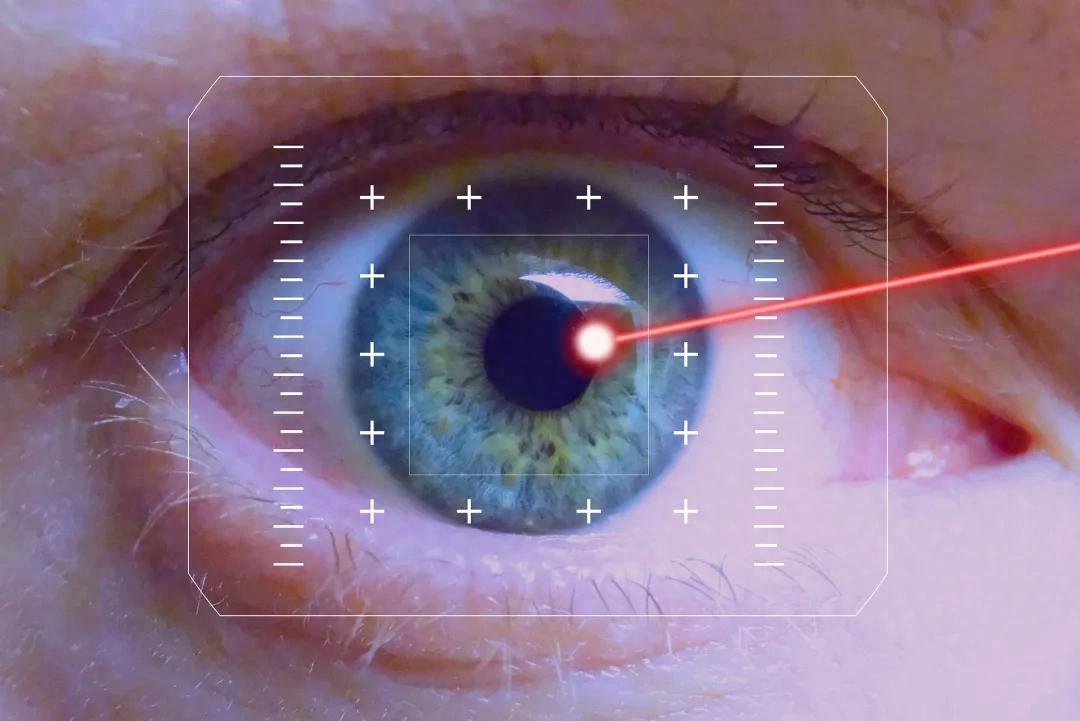
Here's the point. The following is a presentation of three mainstream approaches to near-sighted surgery:
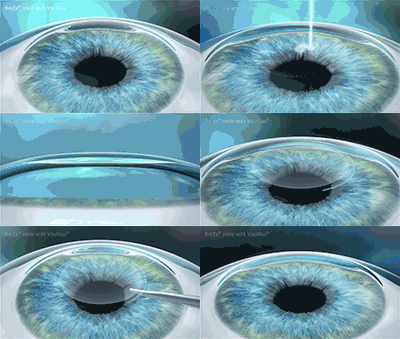
01 full flight seconds (smile)
Principle: only one flying second laser device has been used throughout the operation to set the thickness of the required cutting of the amphibians, according to the close-sightedness of the subject, and, without the laser harming the outer layer, to cut out the shape of a cavity lens in the inner layer and then open a cut of around 2 mm above the amphibious membrane, through which the engraving of the amphibians is removed for the purpose of near-sighted correction。
Strengths
01: relatively rapid recovery of vision after surgery
02: small upper pelvis (2-3mm) with fewer dry eyes after surgery
03: no amplitude valves are required and the amber biome is stable。
Disadvantages
More amphibians need to be removed, with greater requirements for their thickness
Can't do personal cutting
It is very difficult to remove an amphibious lens and it is important to choose an experienced doctor。
Population applicable
1. A population within 1,000 degrees of peri-view, within 500 degrees of dispersible light, with sufficient amplitude and rules of the membrane form
2. Special professions, such as military personnel, are also given priority。
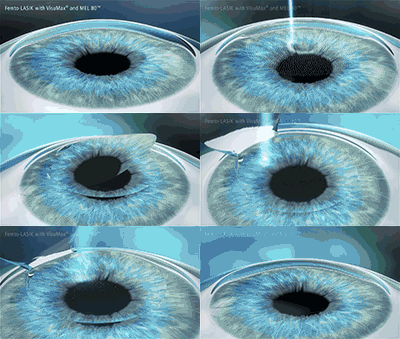
02, half a second
The principle is that, during the operation, two devices are required, one flying second laser to make the cornea, which is then lifted, and a second quasi-molecular laser is used to cut a portion of the cornea, which is eventually covered back, for the purpose of correcting the vision。
Strengths
01. Rapid post-operative visual recovery
02, individualized cutting。
Disadvantages
(a) the high incidence of dry eyes after the surgery is larger (about 20 mm)
Symptoms associated with the cornea, such as migration, wrinkles, infections, etc。
Population applicable
Population with a peri-vision correction of up to 1,200 degrees and a dispersing light of up to 600 degrees
2. An "upgraded version" of a half-hour surgery, i. E., a personalized half-fly second, is available to patients with high-dispersion light, an irregular corneal form and special requirements for night vision。
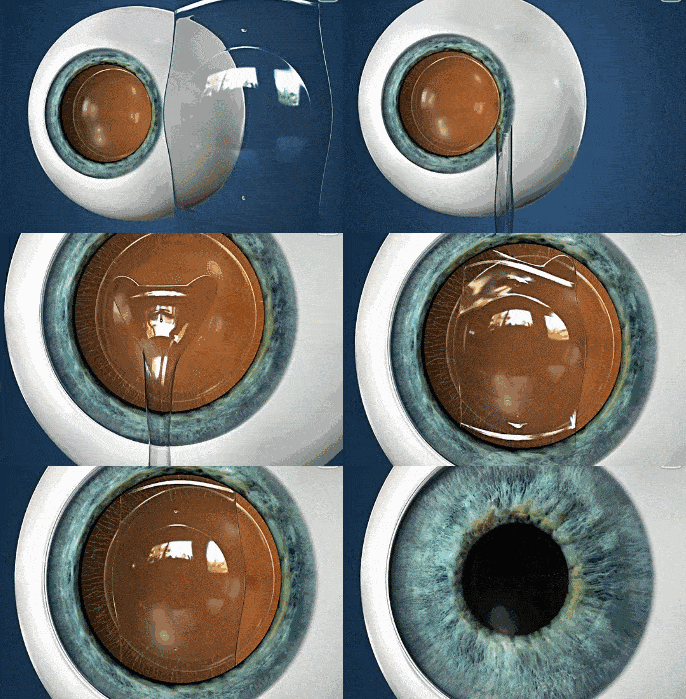
03, icl crystal implant
The rationale: icl is to open a small hole on the corneal and then implant a thin crystal in front of the crystal and behind the iris, which is equivalent to implanting a contact lens with degrees into the eye。
Strengths
01. There is no need to cut the cornea, there are few dried eyes and good visual quality
02, crystals are available if necessary。
Disadvantages
It's a little more expensive than laser surgery
Population applicable
Periphery can be corrected up to 1800 degrees in peri-peri-vision, 600 degrees in-dispersion, and those with a high degree of peri-vision and a thin membrane can be considered as a priority。

Carnation: there are many types of near-sighted surgery, strict surgical taboos, not all people can do it, opt for near-sighted surgery, which requires a rigorous pre-operative examination before choosing according to their occupational needs and financial ability









