


In cold winters, especially in the northern regions, the recharging handies have become a necessity for many to cope with the cold. It is small and easy to carry, and can provide lasting warmth by charging, not only to warm hands, but also to alleviate the discomfort of the joints or as a temporary heat dressing tool. However, many consumers are often curious in their use: what kind of liquid is in the charger's treasure? Is it safe? At the same time, it is difficult to select a reliable product in a fully-targeted market。


2026 version of level2 data, permanent free access experience
I. The working method of charging warm handies
Charged heating handies, also known as electric heaters or charging hot water bags, are portable devices that use electric heating internal media to release heat. Unlike traditional hot water bags, it does not require repeated water injection, but direct heating of internal liquids through built-in heating elements. Typical product structures include casings, heating devices, liquid media, temperature control systems and charging interfaces. The shell usually uses soft silicone, pvc or fabric materials that are easily held; the heating unit is responsible for converting electrical energy into thermal energy; the liquid medium is used as a heat carrier to absorb and evenly diffuse heat; and the temperature control system ensures temperature stability and avoids overheating。
Under the heating method, the charger is divided into three main types: electrode, electro-hot silk and electro-hot tubing. The electrode is directly immersed in liquids through electrodes, with simple but less secure structures; the electro-hot wiring and electro-hot tubes are used in isolation to heat, and the liquids are more reliable than directly exposed to electrical components. In the market, these products are subject to national mandatory product certification (cc certification) to ensure electrical safety and quality standards。
The workflow is broadly as follows: when a user inserts a charge from a power source, the heating element is activated and the liquid warms rapidly to a given value (e. G. 50-60°c). After charging, the power is removed, the heat in the liquid is slowly released and the temperature is maintained for several hours. Some high-end models are also equipped with lithium batteries to support wireless use or a combination of mobile power. Such a design would make the charge-heating treasures popular in outdoor activities, offices or homes, especially during the dark winters, and would reduce the difficulty of out-of-country heating。
Ii. Composition and role of internal liquids
The core of the charger's treasure lies in its internal fluid, which directly affects heat efficiency, safety and useful life. Many mistake it as ordinary water, but it's not. The liquid composition varies according to product type and design, but is generally based on the principles of good heat, high boiling point and harmless。
First, the most common liquid is a mixture of water and electrolyte. This solution is widely used in electrode warm handies. Water as a basic medium with a good heat capacity to absorb heat quickly; electrolyte (e. G. Sodium chloride or other salts) increases conductivity and makes heating more efficient. When electrically activated, electrodes generate currents, which are converted to thermal energy by ion motion in the solution, and the liquid temperature rises rapidly to near the boiling point. It should be noted, however, that during heating, the liquid produces gases that, if the product is not sealed, may lead to expansion or leakage. In national standards, the liquid must be strictly matched to ensure that it is not corrosive and is not harmful to the human body under normal use。
Second, some electro-hot silk or electro-hot tube-based warm handies use a mixture of ethanol and water. Ethylene is an organic compound with a boiling point of 197°c, well above 100°c in water, which means that liquids are not boiling and heating is more stable. At the same time, ethyldiol is better than thermal and thermogenic than pure water and can prolong the release of heat. This mixture is often used in high-end products with a ratio of 1:1 or adjusted as needed to balance costs and performance. High purity of ethanol to avoid impurities leading to odor or corrosive internal components. In cold areas, the liquid also prevents freezing and ensures that the product works normally in a below zero environment。
In addition, a few products have used sodium saturated solutions. This is a chemical thermal medium, mainly found in non-charged “magic hot water bags”, but some of the chargers are also drawn upon. The sodium acetate (ch3coona) is liquid in an oversaturated state and releases heat up to 50-60°c when the crystal is triggered by external irritation (e. G. Bending metal pieces). The liquid is not odour-free and stable, but it is not suitable for repeated charging for heating and is mainly dependent on chemical reactions. When charged, the process is usually supported by electro-heating. However, in the market, this type is less common, as charging efficiency is lower than in the first two。
In addition to the main components mentioned above, a number of products are added to a small number of preservatives, colours or detergents to increase the life of liquids and improve their appearance. For example, the addition of a small amount of silicate prevents the accumulation of water and ensures that the heating element is not clogged. These additives must meet food safety standards, as the liquid does not come into direct contact with the skin, but the potential risk in case of leakage is considered。
The role of liquids in warm hands is more than heat. It also spreads the heat evenly and avoids local overheating; at the same time, as a buffer medium, absorbs the swelling pressure and prevents the deformation of the shell. The capacity is typically in the range of 300-500 ml, with excessive weight increases and short temperature retention periods. It is worth mentioning that the liquids of the regular product are sealed and the users cannot replace themselves. If the liquid is reduced or spoiled, it should be scrapped to avoid safety hazards。
From a safety perspective, the choice of liquid is directly related to the risk of explosion. There have been many accidents in early products as a result of the use of volatile liquids. As a result, the department of quality inspection has strengthened its supervision by requiring liquid boiling points of no less than 150°c and passing pressure resistance tests. When used, consumers should immediately stop using if they smell alien or if they find the liquid to be obscurous。
Iii. Safety analysis of fields
Safety is a primary consideration in the use of charged warm hands. Although internal liquids are designed to be safe, improper use may cause problems. For example, electrode products are charged with liquids during heating and may cause electrical leakage if the insulation is broken. In contrast, electrical wiring and electro-thermal tubes are isolated with low risks. Consumer associations have tested multiple products and found a high 65 per cent failure rate, with major problems including fluid leaks, overheating and incomplete marking。
Cold burns are another hazard. The surface temperature of the liquid can be as high as 60°c after heating, with red swelling due to prolonged skin contact. It is recommended that the break be moved every 20-30 minutes. Children and the elderly use custody to avoid burns or mishandling。
In addition, the charging process needs to be sensitive to: the use of matching adapters to avoid side-loading; and the timing of charge time is controlled at 10-15 minutes and excessive length may lead to liquid expansion. When the aircraft is carried, check whether the battery capacity exceeds 100 whh (watt hours), otherwise boarding is prohibited. There are no strict restrictions on such products, but it is recommended that they be placed in luggage。
Iv. How do you choose to buy the charger treasure
In the market, there is a large variety of recharging and heating hands, at prices ranging from $20 to $200. Purchases need not be tied to branding, but focus on core indicators to ensure safety。
1. View the authentication logo. Priority is given to products with a ccc logo, which is compulsory state certification and covers electrical safety, electromagnetic compatibility, etc. The authentication number can be found on the product owner or packaging, and authenticity can be verified through a network of qc officers. Avoiding the purchase of “three-nil” products, i. E. Poor quality goods without a production date, without a qualified certificate and without a factory name. These are often of unknown liquid composition and prone to explosions。
2. Priority electrical wiring or electro-thermal tubes. Ask how to heat up when selecting or check the instructions. The electrodes are cheap, but liquid direct conductors are not safe, especially in wet environments. The electro-heated tubes are even and the liquids are not easily contaminated and suitable for daily use。


It's a fragrance
3. Knowledge of capacity and power. Liquid capacity affects temperature retention time, 300 ml suitable for handheld and 500 ml warms the abdomen. The power is typically 300-600 w, which is overheated quickly but overheated. The selection of products with temperature control supports multi-soldier adjustments (e. G. Low-middle-middle-middle-middle-middle-middle-middle-middle-middle-middle-middle-middle-middle-middle-middle-middle-middle-middle-mature range 40-60°c. A model with a mobile power function, with a battery capacity around 5,000 mah, is appropriate for outing。
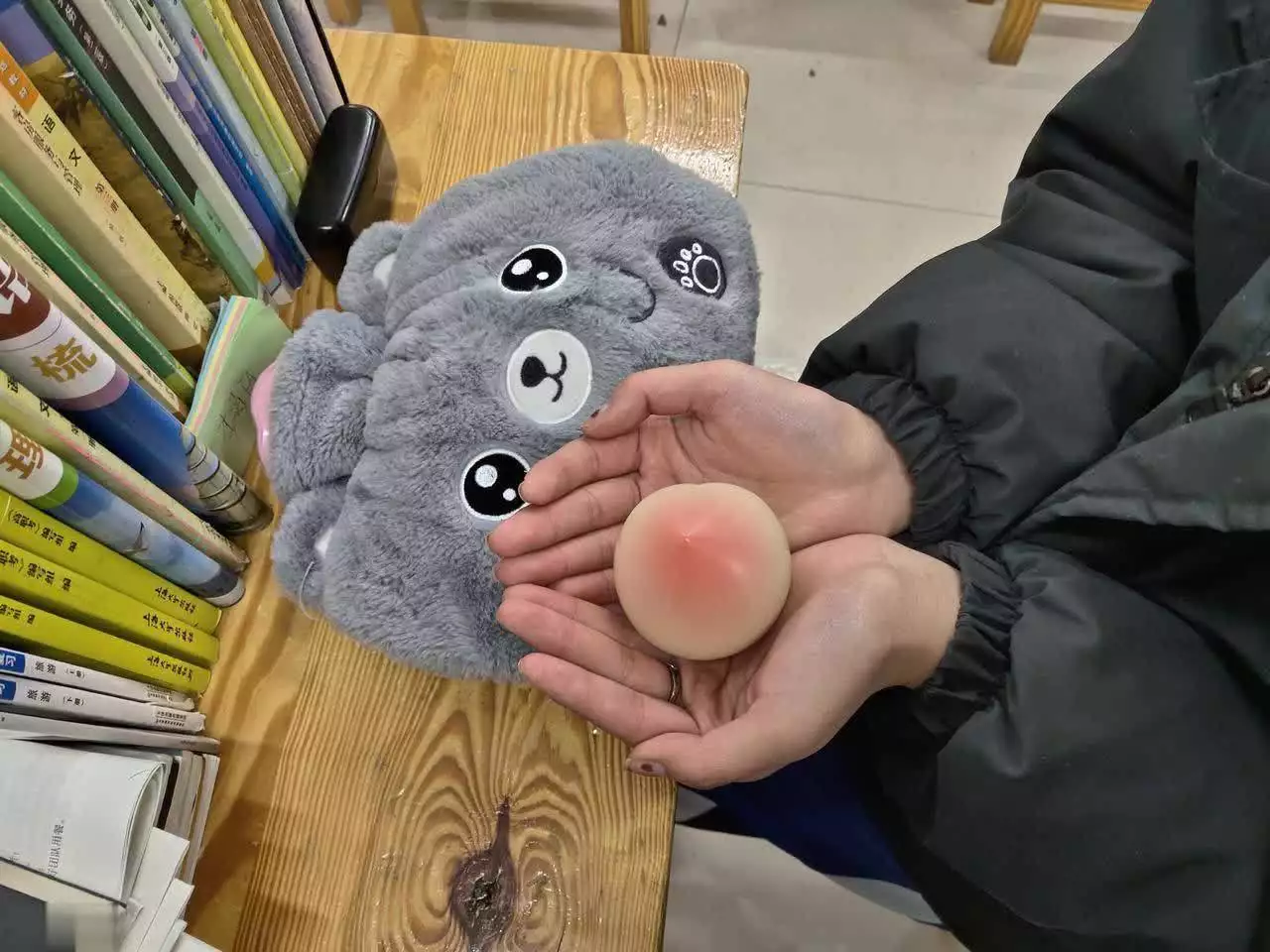
4. Inspection of materials and processes. The outer casings shall be soft and hard to grind, and silicone or velvet materials shall be comfortable and hands shall not slip; seals shall be tight to prevent leakage of liquids. Liquids are transparent and smell-free. The weight of the product is controlled at 300-500g and carried lightly. Appearance design can be based on individual preferences, such as circulars, animal formations, but priority is given to practicality。
5. Consider additional functions. High-quality products include automatic power outages, overcharge protection and blast-proof valves. The charging interface should be type-c or micro-usb and be highly compatible. Some models incorporate temperature displays to facilitate monitoring. During the winter, in the wet and cold areas of the south, the selection of tidal-proof designs is more appropriate。
6. Reference use scenario. Offices are small, with large outdoor capacity; female users can choose a pink look and male preference is relatively simple. When the budget is limited, it starts at the entry level with $30-50, but ensures full certification。
• procurement channel recommendations: online platforms, such as kyoto and skycat, look at user evaluations (without reference to brand names, but with universal feedback); underground electricity markets can experience it. Invoices are retained after purchase to facilitate advocacy。
Maintenance and attention
The life of charged heating hand is typically 2-3 years, depending on liquid stability and usage habits。
1. Daily maintenance
• duplication of surfaces after charge to avoid liquid residues。
• store in a dry place, far from high temperatures。
• discontinuation of use if the liquid is reduced by more than 10 per cent。
• cleaning with soft cloth and without water。
2. Attention
• do not disassemble and replace liquids。
• avoid heavy pressure or fall。
• care for pregnant women and heart patients。
• when the child is used, accompanied by an adult。
It cautioned that winter accidents were more frequent than poor products and that the selection of formal channels was crucial. The charger treasure warms countless families with its easy speed, and its internal fluids are mostly mixed with hydrolysis or ethanol solution to ensure efficient heat and safety. Winter is cold, but technology is within reach. Reasonable use, comfortable living。









