


The core function of an electron is to convert the mass of the object to a readable digital signal, a process that relies onSensorsCo-operation between technology and electronic circuits. When readers search for “electronic names”, they usually want to know why they can achieve precise measurements and how differences between products affect actual use. From an industry perspective, electronics are not a single product but are based onPrecision, scale andApply sceneThe rationale and design logic behind the classification of different types are key to understanding this tool。
The working principle of electron designation is based on a force sensor, most commonly a resistance variant sensor. When the object is placed on a weighing platform, gravity changes the elasticity within the sensor in small shapes, which is accompanied by a disfigurement of the resistance fragments attached to it, leading to a change in the resistance value. This resistance change is converted to a voltage signal via the whistlestone bridge circuit, which is then converted to a digital signal by the modular converter (adc) and is then processed by the microprocessor and displayed on the screen. High-precision electrons, such as an analytical scale of one tenth of a grams, will use more sensitive sensors and more sophisticated anti-disruption circuits to reduce the impact of ambient temperatures, vibrations and currents on measurements. In additionCalibrationMechanisms are key to ensuring accuracy and typically include both internal automatic calibration, which is self-checked regularly through the built-in standard codes, and external manual calibration, which relies on users using the known weight codes。
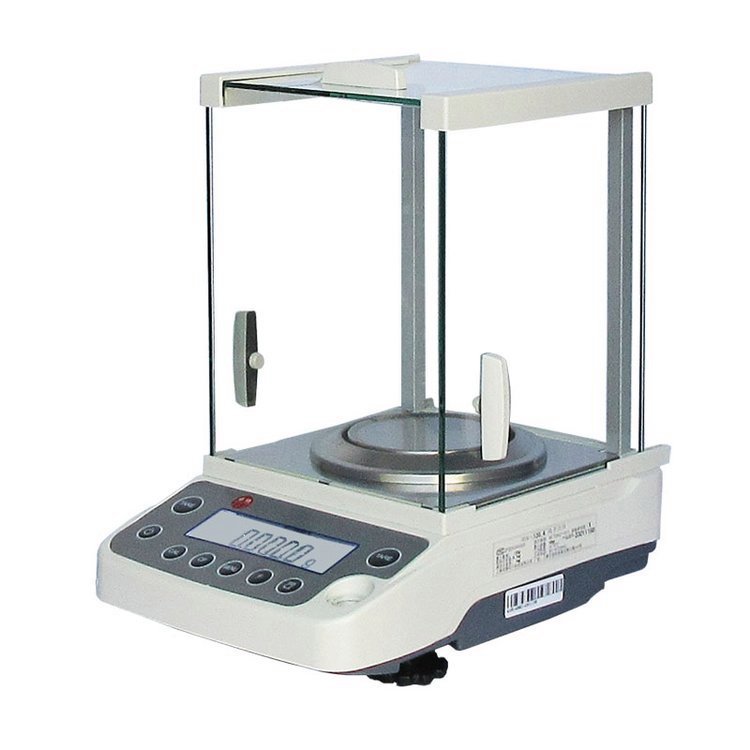
In industry understanding, differences in electron names are mainly reflected in sensor type, range and accuracy, and structural design. For example, the reference to the “geo-precision electronic analysis scales” in the product information is marked as “0. 0001g” having a accuracy of one in 10,000 and is usually used in laboratory or jewellery-based heavy scenes. This type of equipment uses electromagnetic balance sensors rather than resistance variant sensors commonly used in generic electronics. The electromagnetic balance sensor offsets gravity by electromagnetic force and has the characteristics of responsiveness, good linearity and low temperature impact, making it possible to measure the μg level. In contrast, electron names (e. G. Spring scales) of mechanical measurements, although simple in structure, are limited to spring fatigue and friction and are much less precise than sensor programmes. For materials, high-precision electrons often use stainless steel or aluminium alloys to balance corrosive resistance and light quantification, while reducing external interference through wind masks and seismic base designs。
The focus on electron names in different applications is very different. In the jewellery industry, one tenth of a grams of precision is a basic requirement, as differences in the small weight of valuables such as gold, diamonds and so forth directly affect value. At this point, the user should focus on the long-term stability of the sensor, calibration frequency and the availability of temperature compensation. In industrially termed heavy scenes, such as formulations or packaging lines, with a higher view of mass ranges and overload capacity, precision requirements may be only 0. 1 g or 1 g, but need to be adapted to adverse environments such as dust, vibration, etc. For home-based scenarios, such as kitchen scales or weight scales, precision and stability requirements are relatively low and cost and portability are dominant factors. In general, the technical route selection of electronic names is essentially a trade-off between precision, scale, cost and environmental adaptability, and understanding these differences helps users to make reasonable judgements based on actual needs rather than blindly pursuing high parameters。









