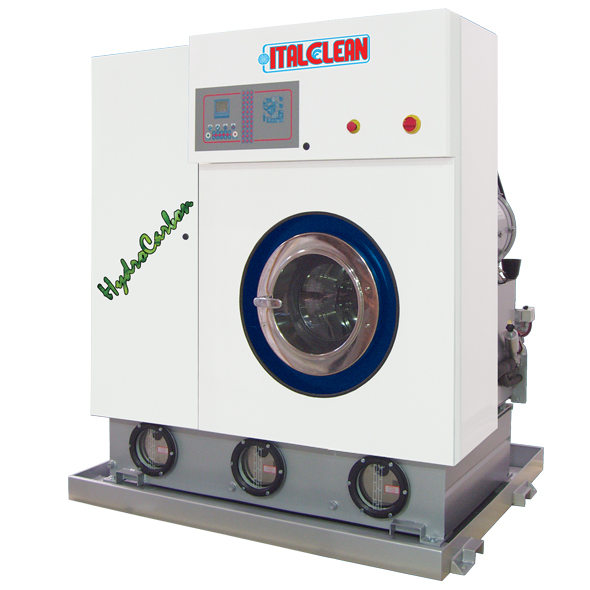
Principle; cleaning of fabrics with a certain amount of volatile organic solvents for the purpose of defusing dirt. Requirements for solvents for dry cleaning
A be able to dissolve substances such as oil, grease and fat more quickly and easily
B does not affect the dyeing or stamping on the laminated fabric
C do not harm fabrics, primarily by not affecting fabric fabric structures
D after laundry, no odour
E for easy recovery in distillation
F during the drying of clothing, it can evaporate from the clothing at the appropriate temperature。
G toxicity is permitted to the extent that it does not harm the operator and is not flammable。
H the sale price is relatively reasonable。
Tetrachloroethylene; also known as perchloroethylene, molecular ccl2? Ccl2 with a boiling point of 121°c from the by-product of the refining industry and chlorine, generally controls drying temperatures of over 60°c, ccl2? Ccl2 are non-flammable during drying. Tetrachloroethylene is a dense liquid with a weight of 1. 62 at 20 °c, which is larger than water but is not insoluble, and when the two are mixed, they are quickly layered, the water is above and the tetrachloroethylene is under stable. Under normal-use conditions, exposure to water does not produce hydrogen chloride, is slightly corrosive to metals, has no effect on rust steel and, together with air, is decomposing into toxic gases such as carbon monoxide and chlorine gas。
Tetrachloroethylene is suitable for most natural and synthetic fibres, is not corrosive, it dissolves for intolerant dyes and it dissolves for polyethylene。
Tetrachloroethylene is expensive and still widely available, mainly because of its high recovery rate in dry-cleaning and in the distillation phase, which can reduce costs through repeated use。
Operational steps
The whole process of dry washing is very similar to that of water washing, which is used as a washing medium with detergents for the purpose of decontaminating the soil, followed by proper watering and drying, followed by dry cleaning with volatile organic solvents as the main defouling substance and scrubbers with appropriate water and detergents to decontaminate. The purpose, followed by dehydration and drying, is to distinguish between water and dry washing in terms of form and medium of washing, but in roughly the same pattern。
Operational steps for dry cleaning
Check for pre-fouling. Cleaning check
1. Inspection; pre-cleaning of clothing by dry-cleaning operators to ensure safe washing and good washing, and careDry cleaner(a) checking clothes from a dry cleaner, from a dry-cleaning perspective, including
Whether or not the clothing is broken, faded and dyed, and if so, the clothing is placed with the guest group。
(b) the presence of polluting substances in clothing, such as lipstick, pens, pens, chromosomes, etc., which, in the course of dry cleaning, contaminate the same laundry。
The clothing on which the clothing is placed is likely to affect the washing or injury of clothing, e. G., chest flowers, metal buttons, metal-like accessories or other sharp objects. Such items should preferably be removed before washing, then sewn on, and the aluminum-sealed accessories for the shape rules could be sealed。
(a) easier clothing, mainly clothing or clothing, where certain substances are highly susceptible to problems in dry cleaning and where damage to these substances or other clothing is affected, generally of the following types
A buttons manufactured in polyethylene
(b) skin material on b clothing
(c) painting accessories and printing patterns on clothing
(d) metal tablets and beads on clothing
Evelves;f more old, dark-coloured clothing colours。
Classification; the purpose of clothing;1 ensuring safe washing of laundry
2. Ensure laundry to the maximum extent possible
3. Improved efficiency
Disaggregation of clothing avoids phenomena caused by incorrect classification, including mixing, wrinkles, deformation, mechanical damage, colour loss, uncleanness, etc。
(b) to perform clothing classification work, paying attention to the following issues
(1) disaggregated clothing for dry cleaning
A clothes that have different mechanical power and can withstand different levels of mechanical power. Fry clothing fabrics can only withstand the mechanical power of a buffer, using a high liquid position or adding a similar degree of ablution, while thicker clothing fabrics can withstand normal mechanical shocks. If the fabric is mixed with the thick fabric, it may cause wrinkles and bruises on the surface of the fabric。
B high-speed dehydration. Different fabrics are subject to varying degrees of dehydration, and it has been proven that the cleaning of rigid surface-treated clothing of the acetate fibres requires only the draining of solvents and the direct dehydration to drying. If it goes through the high-speed dehydration phase, it causes wrinkles or damage, and if it combines thin clothing with dehydration, it must be replaced for relatively long periods of time to achieve good dehydration, it can result in heavy wrinkles, which are detrimental to the ironing of clothing and have a negative impact on its structure。
C washing time; different fabrics require different washing times, and in order to avoid the influence of long-term mechanical force on their structures, shorter role times can be used, whereas there are no strict requirements for cleaning time for those structured and clothing。
D drying temperatures and times, different fabrics require different drying temperatures and times, with a good drying effect from 60 ~ 65 °c to control the drying time until the drying system of the solvent water separator is out. For fine clothing, such as silk or silk, it takes only lower drying temperatures and relative time. If the clothing is dryed together in a mixture of thinness or different materials, the thinness or temperature-sensitive clothing or temperature-sensitive clothing can be overheated, with adverse consequences。
E relative humidity. Different materials and structures of clothing bear different relative humidity levels within a safe range, so that the relative humidity of a particular clothing is the relative humidity of a safe area, perhaps the hazardous range of another clothing, the relative humidity or the insufficient relative humidity, may result in a combination of constriction, deformation, colouring, wrinkles, etc., or some water solution stains are not completely removed。
(2) there are four categories according to colour:
Fabric colours can be classified into four categories: white, light and medium light, medium dark and dark, and possibly colour-like fabrics。
(3) fabric structure: refers to the thickness and closeness of the fabric。
They can be classified as ordinary fabrics, fine fabrics, thick fabrics, sweaters。
3 pre-fouling: special stains and local stains on fabrics, disposal in the ordinary dry-cleaning process is not ideal, and pre-fouling is compulsory before dry-cleaning is done to achieve good detergent effects and work efficiency. At the same time, some of the stains are dry-cleaned directly without pre-cleaning, not only because they cannot be washed, but also because they are reinforced by heat during drying to the point where they cannot be removed. Therefore, the pre-fouling of clothing is essential for achieving a good washing effect。
There are generally two forms: a partial approach; and b batch approach。
4 cleaning: refers to the process of washing, dehydration and drying of fabrics after inspection, classification and pre-fouling into dry cleaners。
The dry scrubbers include the following stages:
A upside fluid; b clean-up; c drain fluid
(1) zero button collector pump working solvent tank
(2) quasi button collector pump evaporated cylinder d dehydration; e-drying; f-cooling
5. Inspection:
Once the laundry has been dryed and removed from the dry cleaner, the clothing must be examined individually with a view to ascertaining whether the washing effect has met the requirements, including the following two aspects:
A checks whether the laundry is clean or not and, if so, should be treated immediately
B checks for broken and altered clothing and should be returned as such。
Dry cleaning:
(1) simple dry cleaning; (2) secondary dry cleaning; (3) extra dry cleaning
Dry-cleaning process 1
1 silk fabrics/comforts, verbs。
(1) prepare solvents to pump into cartridges dry-cleaning solvents that are suitable for high liquid levels in the cartridges with liquid pumps, incorporating, depending on the clothing, 0. 25 to 0. 3 per cent of water and 1 to 4 per cent of dry-cleaning detergents not greater than the weight of clothing, then turn on the small cycle system for 30 seconds and pump the ready dry-cleaning solvents back into the working solvent tank。
(2) put the clothes that have been disposed of into dry cleaners and close the door。
(3) control of liquid pumps into high liquid levels by pumping ready dry cleaning solvents。
(4) opening reverse washing, opening liquid pumps, filtration, 4-6 minutes。
(5) pump the washing fluid to a working solvent tank (or distillation tank) and pump the liquid liquid from the cleaning solvent tank into a liquid position for drift treatment for approximately two hours。
(6) pump the washing fluid to the working solvent tank。
(7) high-speed dehydration of about 30 to 50 seconds (depending on the size of clothing)。
(8) dry clothing at 45°c for about 15-25 minutes (depending on the quantity of clothing)。
(9) clothes are cooled for about five minutes。
2 for silk fabrics or cotton fabrics to be worn during autumn and winter seasons, a secondary dry cleaning method may generally be used, with a specific process of (2) ~ (9) which does not require preparation of solvents, directly extracts clean solvent stains and adds a 1% dry detergent, which is pure white clothing (or clothing similar to white)
(1) preparatory work before washing, replacing clean fibre filters; pumping small quantities of solvent from a clean solvent tank into the cartridge, initiating the pump for a small cycle of 10 seconds and then pumping the solvent into a working solvent tank, a step that is repeated twice。
(2) treatment of vulnerable areas such as clothing collars, sleeves, etc。
(3) placing clothing in a dry cleaner, pumping solvents from a clean solvent tank to a low liquid level in the cartridge, and adding a 1% dry washing detergent from a button collector。
(4) reverse washing, opening the pump wash cycle for approximately 2. 5 minutes。
(5) pump the washing fluid to the working solvent tank。
(6) 30 seconds to 2 minutes (depending on clothing condition)
(7) pumping solvents from clean solvent tanks to low liquid levels in cartridges。
(8) reversing washing, opening the pump to allow a small cycle of washing fluid for two minutes。
(9) pump the washing fluid to the working solvent tank。
(10) 1-4 minutes (depending on clothing)
(11) dry at 45 ~ 50 °c for 15 ~ 35 minutes (depending on clothing condition)
(12) colding, approximately 45 minutes。
The structure and rationale of dry cleaners
There are two types: an open dry cleaner and a fully closed dry cleaner。
(a) the composition of the dry cleaner system
A laundry system; b filter system; c distillation system; d dry recovery system; e solvent storage tank; f pump; g button collector。
The washing of dry cleaners takes three forms
(1) control rollers are simply inverted。
(2) control of the reverse of the roller and the small cycle of washing liquid, the small cycle process of washing liquid; and the road valve by the pump piping pipe of the drum cell
(3) controls the reverse of the roller and the small cycle of washing, the cycle of washing filters。
Process; cartridge buttons collection pump pipe filters cell
Distillation; at distillation, the liquid content of the solvent in the distillation tank shall be below 5 cm below the bottom of the observation mirror, then the vapour valve in the distillation tank shall be manually activated, the vapour content shall be moderate, and care shall be taken to observe the presence of the solvent in the distillation tank, after a period of time (approximately 20 minutes), when the solvent is heated and removable, but when the foam boils, the input volume shall be reduced, as appropriate, until the solvent boils, at a height of not more than 2 cm, and if greater than reduces the volume of vapour input, increase in the reverse. At this point, the evaporated solvent gas becomes liquid through the condenser, and the solvent is observed through the lens of the water separators through the pipe into the water separator. Solvents should be clear and transparent, with no colour or visual impurities, and distilled solvents should not be injected too quickly into water separators, which can be moderate (which can be controlled by the size of vapour input by distillation), which can result in separation and reduce distillation as soon as possible。
More about dry cleaners: