


The high-temperature fumes released from kilns and equipment in industrial production contain large amounts of recyclable heat and direct emissions increase both waste of energy and production costs。Wing tube, is the core component of the recycler。
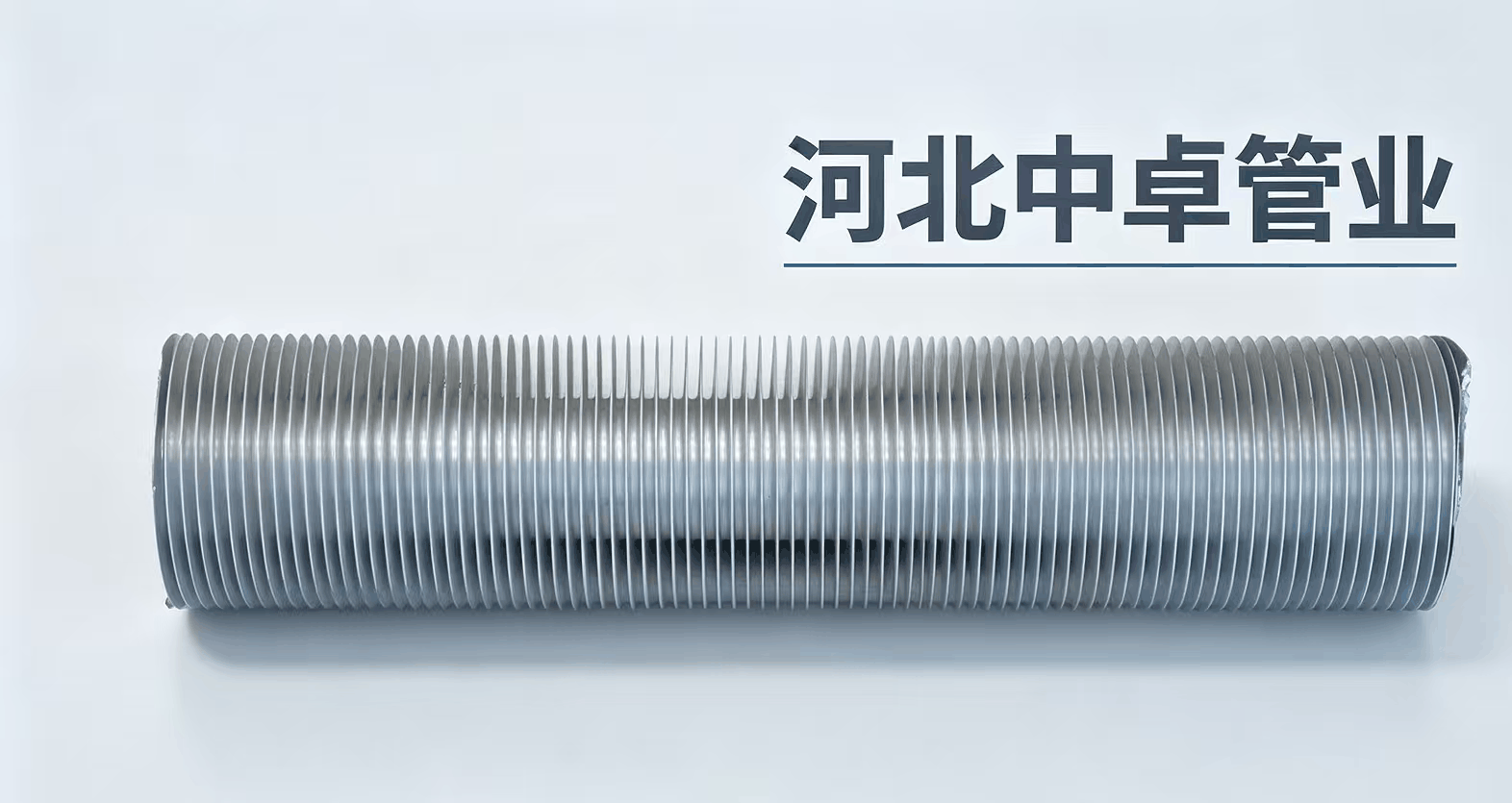
Wing tube
OneHeat changer
The normal luminous tube is only used for heat exchange on the wall surface. The wings tube adds dense wings to the outer side of the tube and expands the heat area significantly. Under the same head of tube, the heat area can be increased several times and more heat recovery can be achieved with smaller equipment。
# two, the core edge of the after-heat scene
1. **according gas for heat**
Frozen-to-heat coefficients are low and the volume of heat-for-heat equipment can be very large with pv. The wings make up for the aerobic shorts and are well suited for the flue gas residual heat recovery。
2.** wide range of material options**
The use of carbon steel, nd steel, stainless steel may be selected in accordance with the conditions of work. It is resistant to high temperatures. Some of the materials are resistant to flue gas and sulphur corrosion and are suitable for all types of industrial ore and boiler exhaust environments。
3.** smaller land area, flexible installation**
The same heat-replacement needs, the size of the wings-retherers is much smaller than the size of the photovoltaic equipment, suitable for projects with limited plant space, beam modularization and ease of repair and replacement。
# three, the use of recycled heat
Recovered excess heat can provide preheating boiler water, new wind in heating workshops, or provide heat sources for drying processes to reduce fuel consumption。
# four, short sheets that need attention
Fragments of the wings tend to accumulate dust, which reduces the heat-replacement efficiency, and dust-intensive work is accompanied by ash-cleaning devices; sulfur-containing flue gases are selected for perishable materials to avoid corrosive perforation。
Hebei midge
Summary
The choice of wings tube for residual heat recovery is determined by the flue gas-for-heat properties. Efficient heating is achieved by extending thermal surfaces, but is selected by combining flue temperature, dust and corrosivity to determine tube and wing parameters in order to stabilize long-term operation。









