


Heat exchangers, also often known as heat exchangers, are thermal energy transfer devices common in industrial production, heating equipment. Its central function is simple: to pass excess heat from thermal fluids to the cold fluids, thus meeting the process needs of media heating, cooling, residual heat recovery, etc., and being one of the core equipment for energy-efficient temperature control and efficiency enhancement。
Depending on the principles of heat transfer, the use of the heater and the structure of the equipment, the heater can be divided into different types, suitable for different production scenarios and conditions。
I. Classification by heat transfer principle
Different heat transfer principles determine the heat exchange, the application of the scene and the advantages of use。
1. Interwall heaters
This is the most widely applied type of industry at present. The equipment completely separates the cold thermal fluid from the solid surface, with no direct contact, no mixing between the two fluids, and the heat is passed through the wall, which is very clean and safe。
2. Heat exchangers
Thermal exchange is carried out by specialized heat collectors, and the cold thermal fluids pass through the heat collectors. Thermal energy conversion is achieved by the accumulators first absorbing heat from thermal fluids and then releasing heat to the cold fluids, with significant recovery effects。
3. Fluid connection indirect heat exchangers
The cold thermal fluid is not in direct contact throughout the course by means of exclusive intermediate heat transfer. The heat exchange is done indirectly through the medium, which corresponds to some special heat exchange needs。
4. Direct contact heaters
Without an insulation structure, the cold thermal fluid is directly mixed to complete the heat exchange, which is fast and simple in structure, and is used mostly to allow fluid mixing for the heat exchange scene。
5. Double heaters
It is a composite heat-replacement device that integrates two or more different heat-replacement principles, taking into account the advantages of a variety of equipment and allowing for complex, diversified heat-replacement conditions。
Ii. Classification by use of equipment
Depending on the actual production function, heat exchangers are divided into four main categories, with different functional and precise adaptation processes:
1. Heating: the core function is to heat up process media to meet the temperature requirements of the production process。
2. Preheaters: preheater treatment of media in advance, efficient recovery of the equipment's residual heat, reduction of energy losses and energy conservation and reduction。
3. Overheaters: primarily for use in steam systems, saturated vapour can be further heated to overheated, improving the quality and efficiency of the vapour。
Evaporaters: the evaporation phase is modified by heating media and is widely used in process scenarios such as media enrichment, separation, refrigeration, etc。
Iii. By equipmentStructure classification
The structure determines the manner in which the equipment is installed, the resistance to pressure, the difficulty of overhauling and the applicable conditions:
1. Floating-head reheaters: one end plate is free to float, effectively offsets the heat expansion stress generated by the operation of the equipment, and the equipment is subject to core overhaul, easy maintenance and high-temperature, high-pressure and high-temperature conditions。
2. Fixed plate-formulators: a simple, stable and cost-effective structure, fixed connection between the two-end plate and the shell, good overall containment, with the disadvantage that the cleaning of the shell is more difficult and suitable for a clean medium to change the heat scene。
3. U-barrel reheaters: an altercation of the tubes into a u-shaped structure, fixed at two ends on the same plate, which can be stretched freely, effectively avoids thermal stress problems, equipment is durable and suitable for high temperature and high pressure conditions。
4. Plank-to-heaters: metallic plates are used as the core for heat-for-heating, heat-for-heat, heat-efficient, small-sized, open-to-disassembly, simple daily cleaning and maintenance, mostly for heating, light work, low-temperature heat-for-heat。
Summary
As core equipment for thermal energy systems, different types of heat exchangers have advantages in terms of heat efficiency, applicable conditions and transportation costs. The selection of suitable heat exchangers based on the temperature, pressure and media characteristics of the production process can effectively increase production efficiency, reduce energy consumption and ensure stable operation of equipment。
And then we'll take a look at the principles of the various heaters, using a motion map。
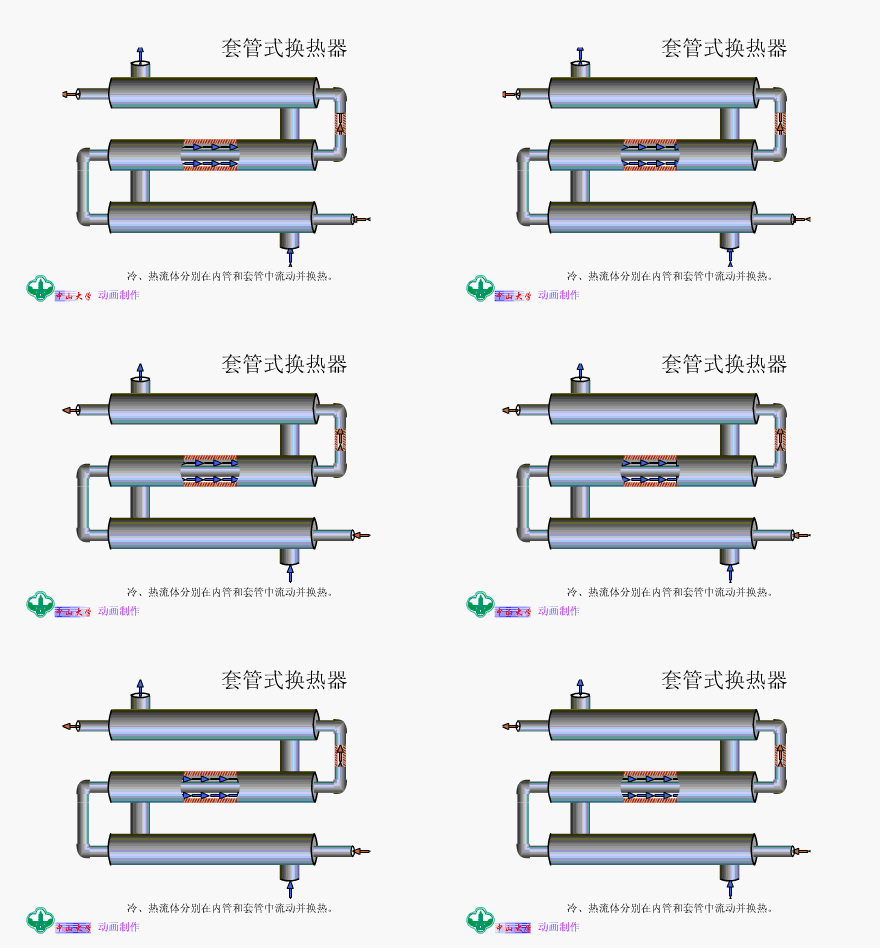
Package heater
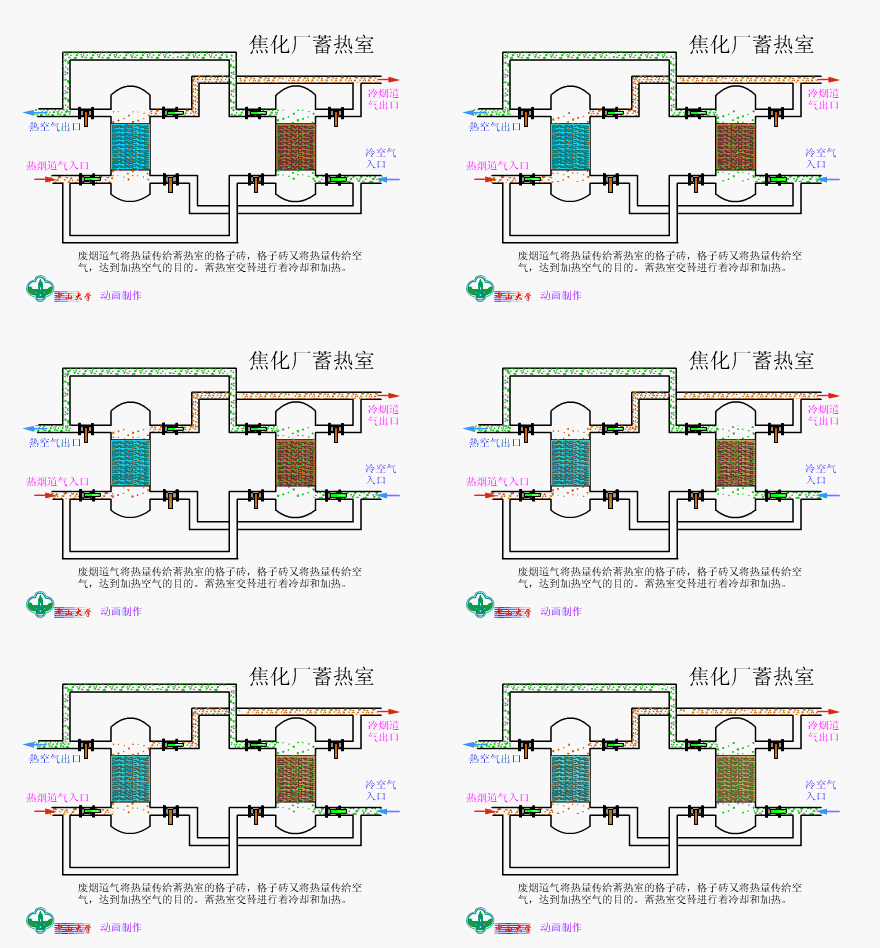
The hothouse at the focal plant
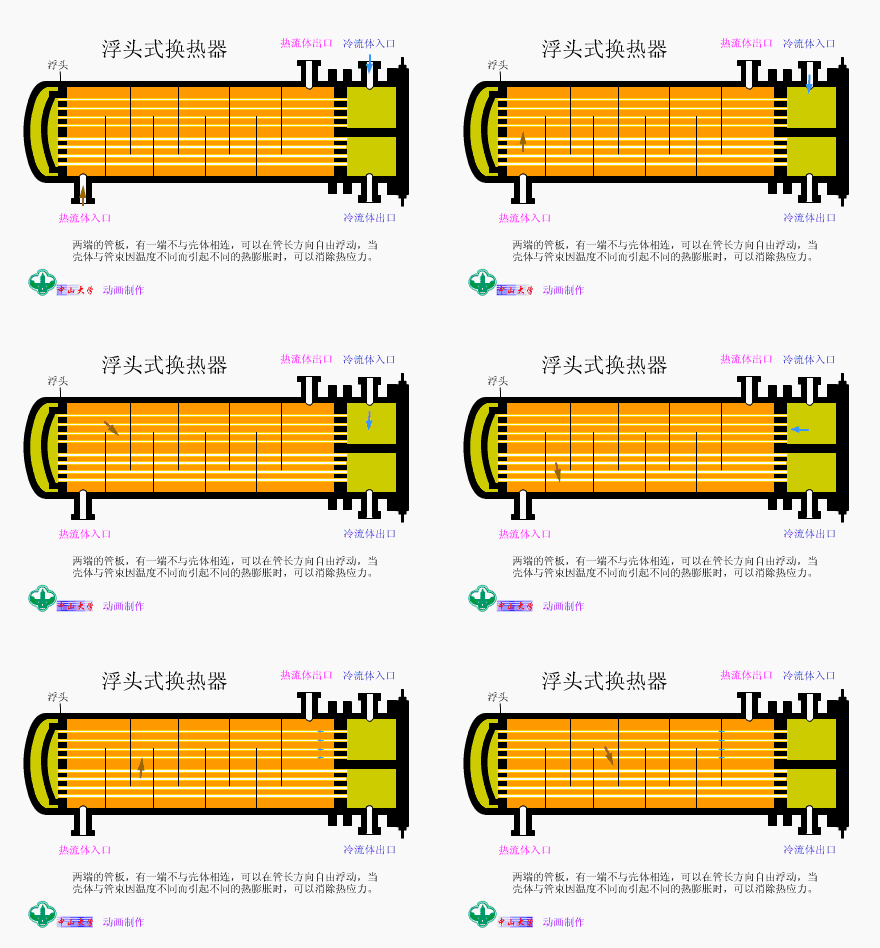
Floating heater
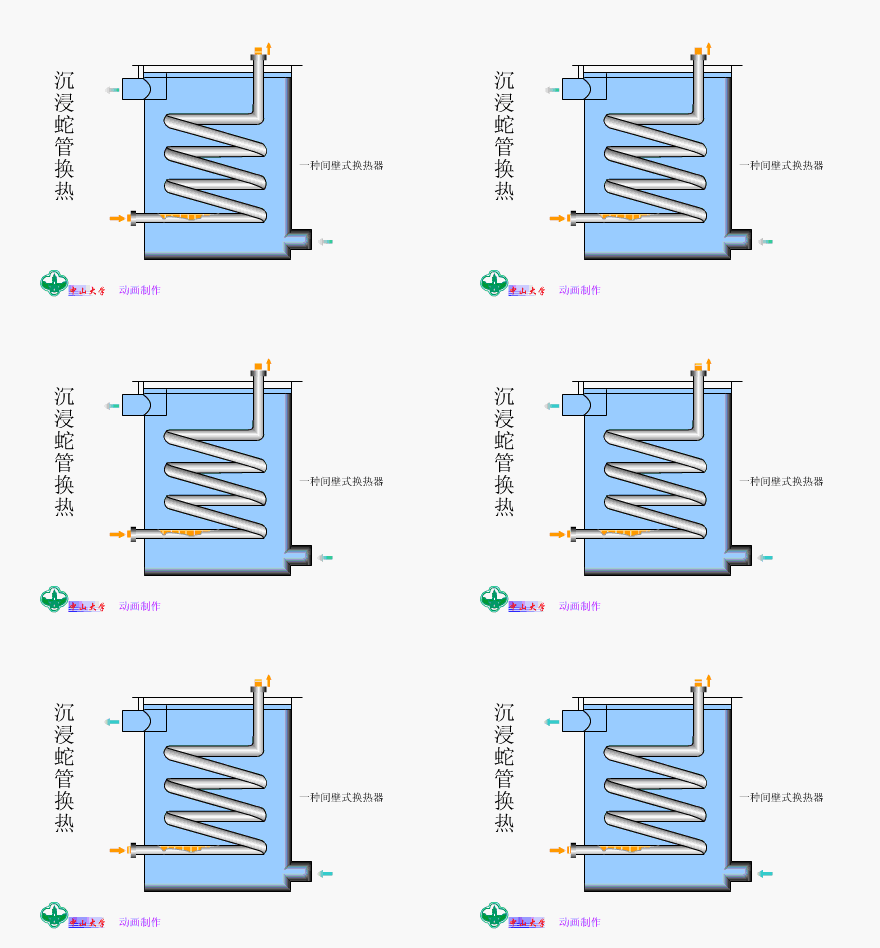
The immersion tube for heat
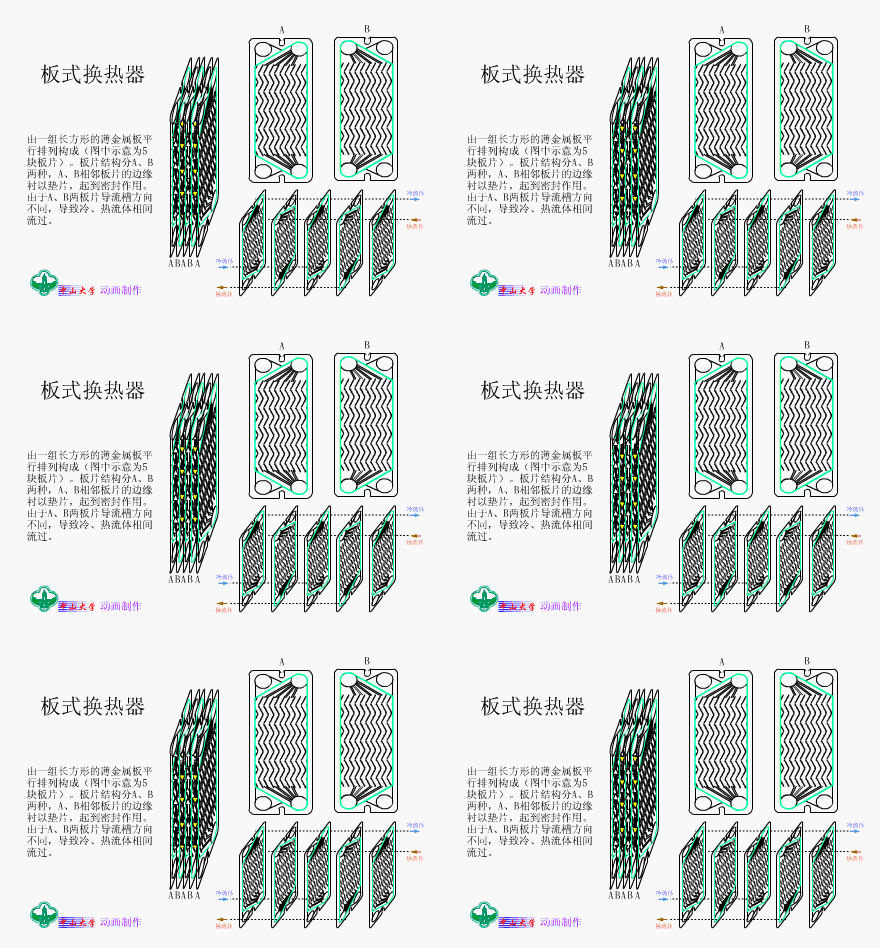
Plank heater
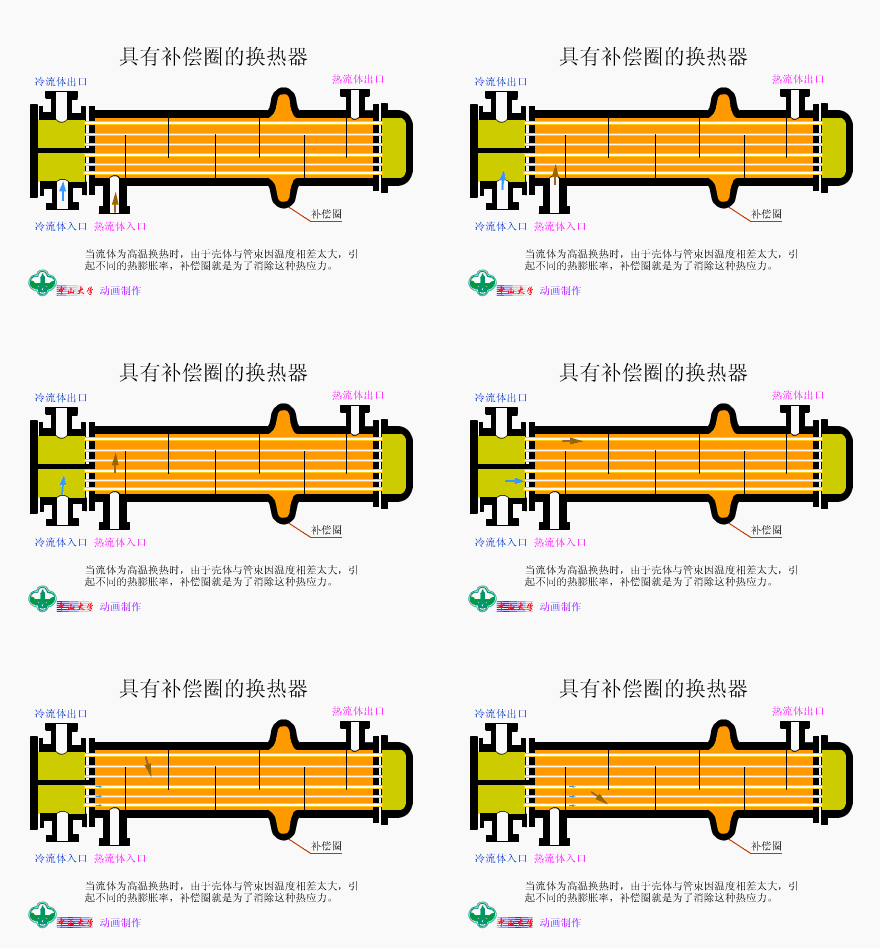
Heat exchangers with compensation circles
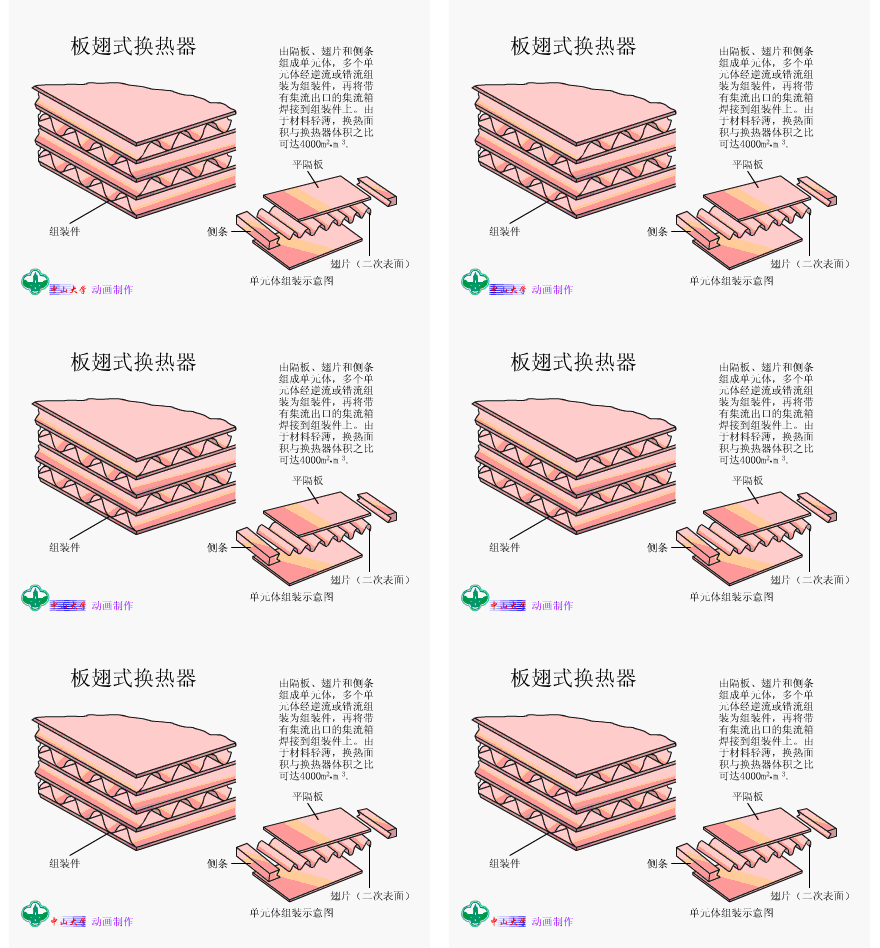
Wing switcher
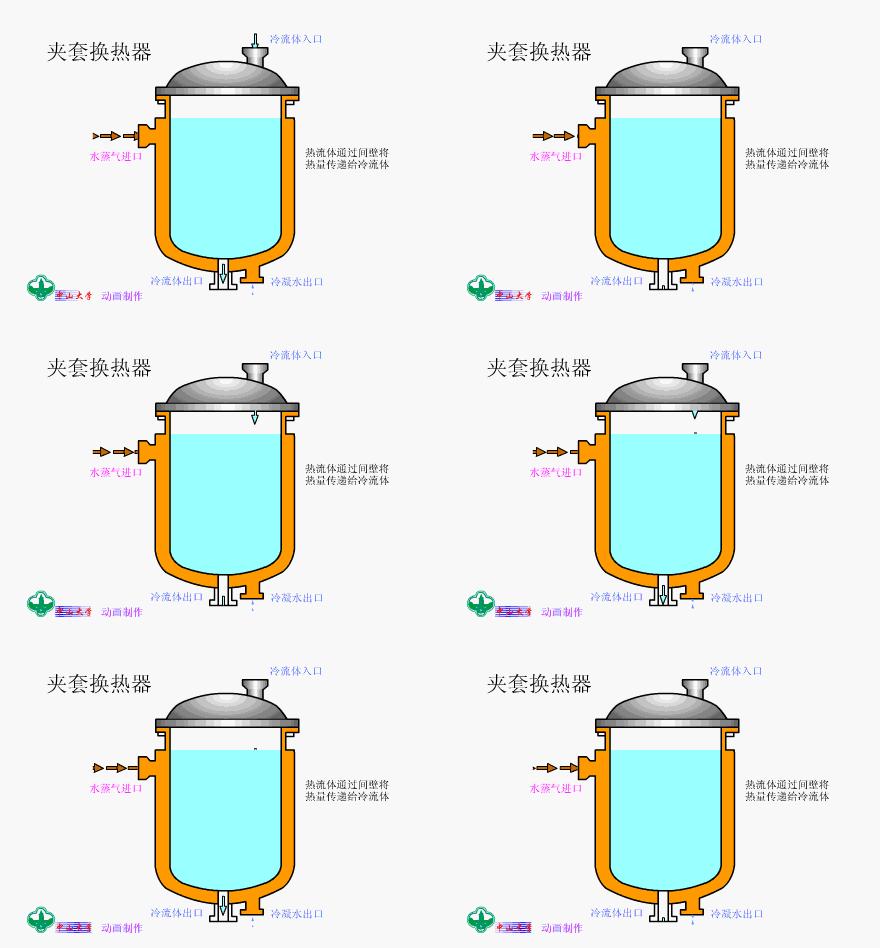
Combination heater
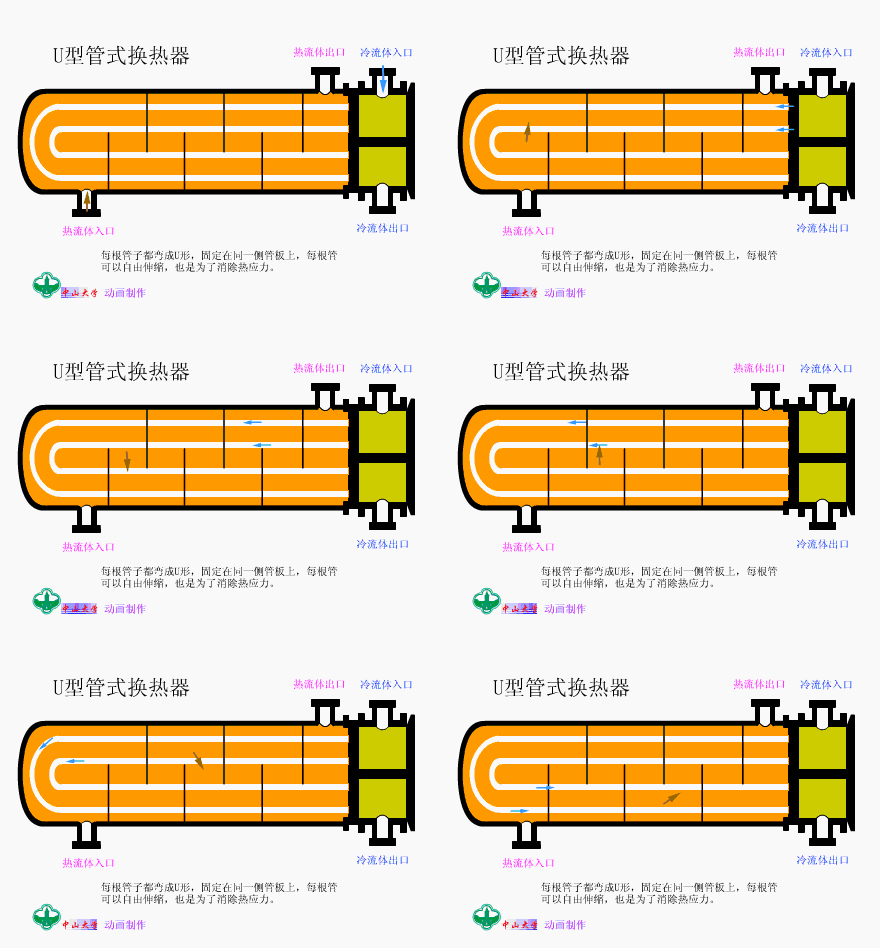
U-type tube converter
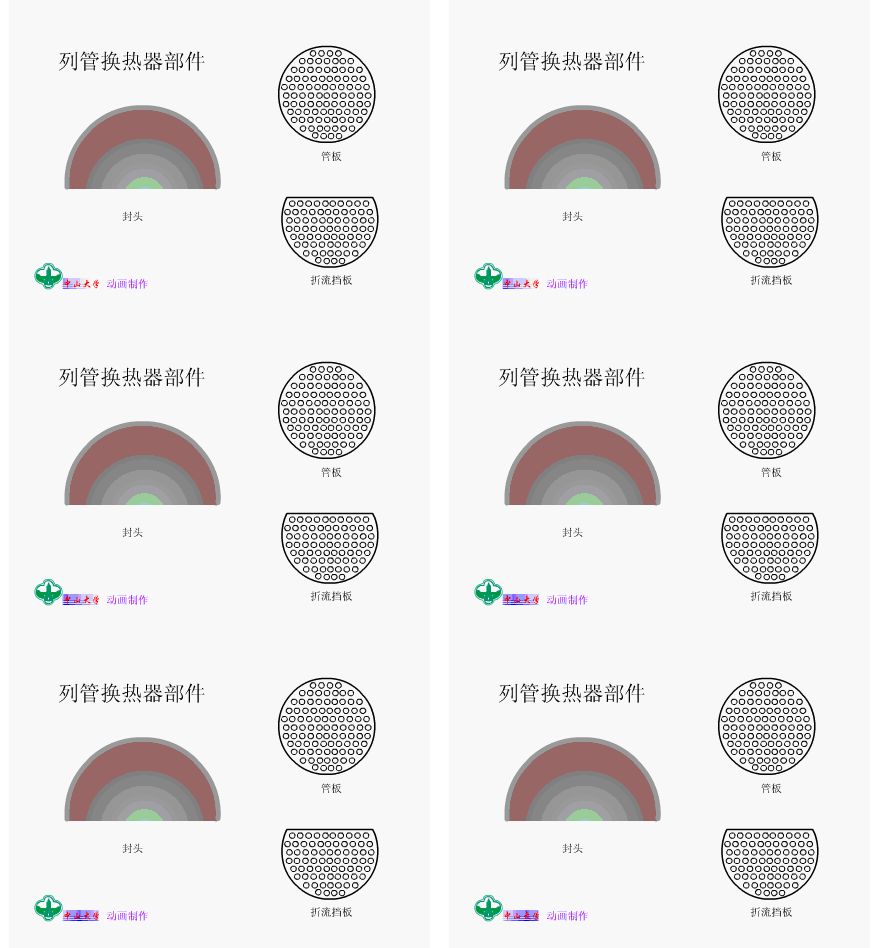
Column heater parts
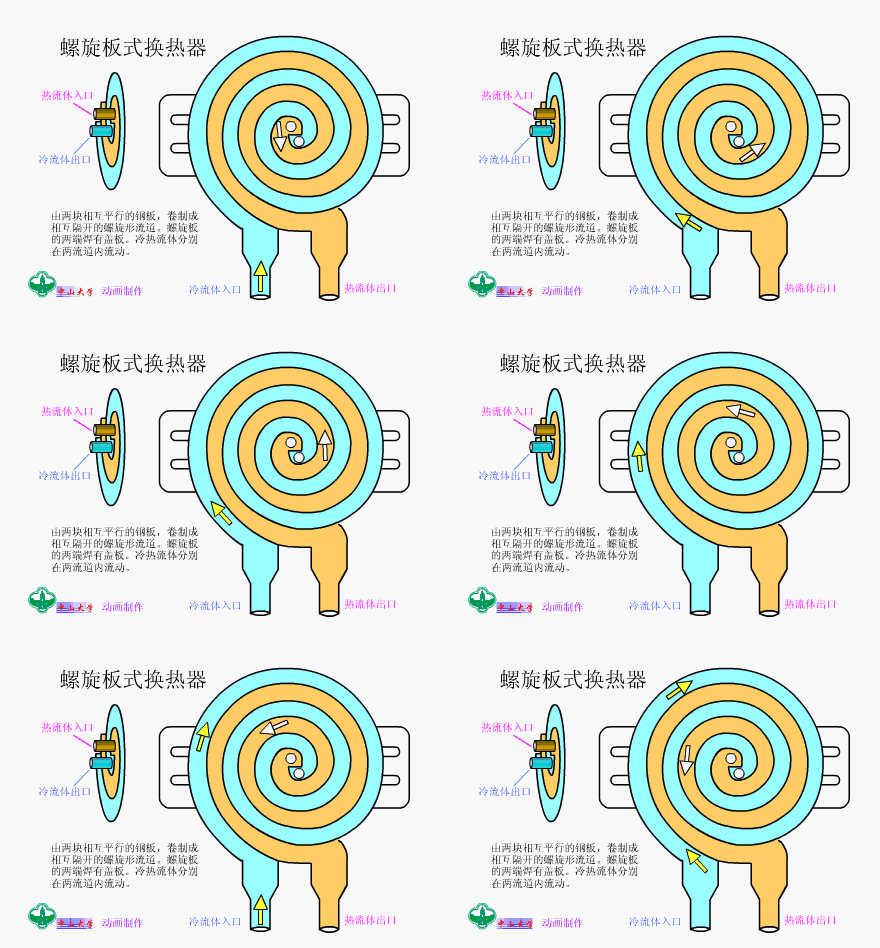
Spiral plate heater
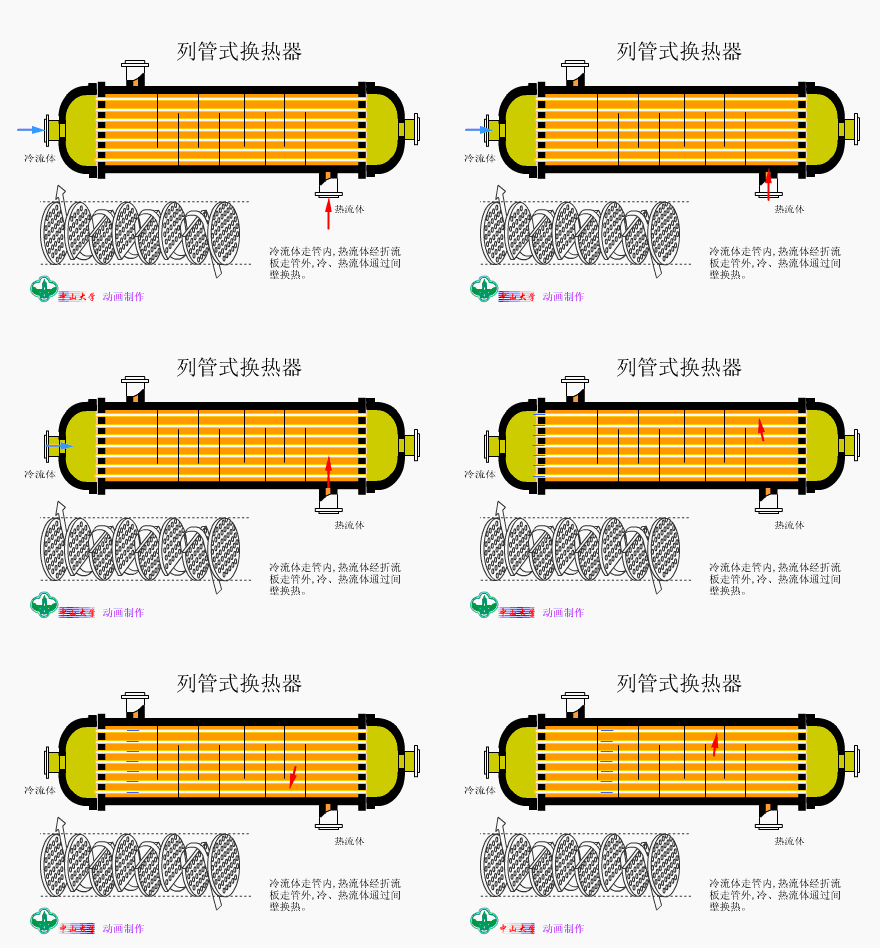
Row-style heater
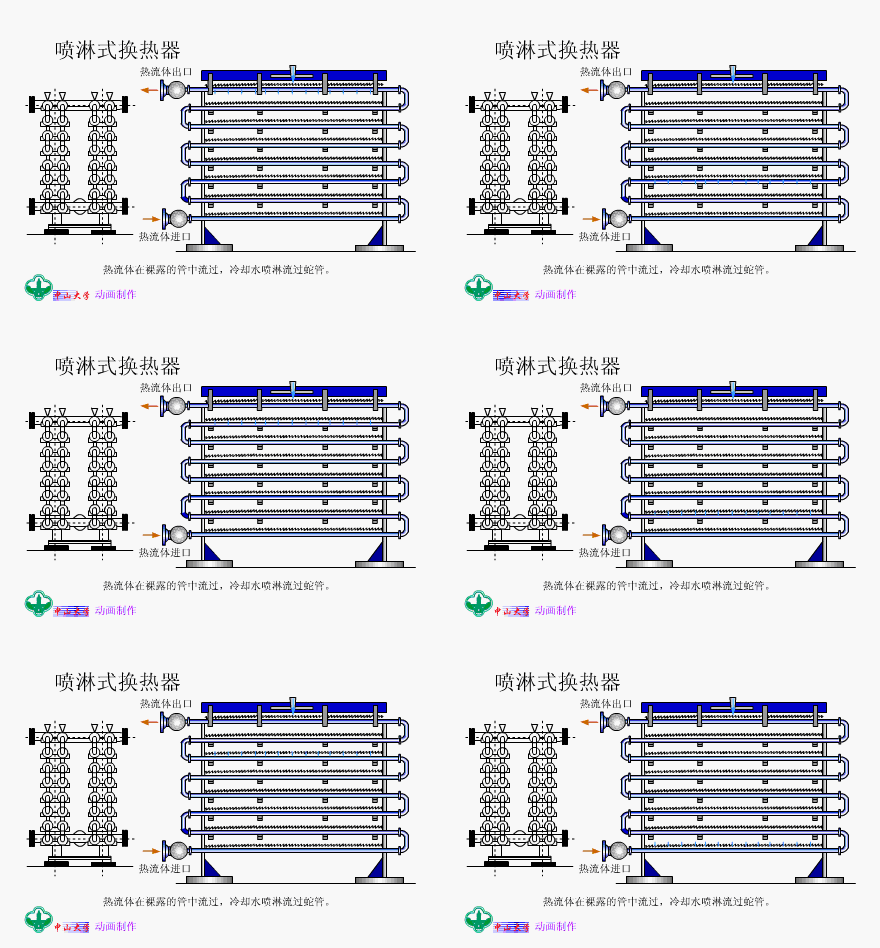
Spraying heater
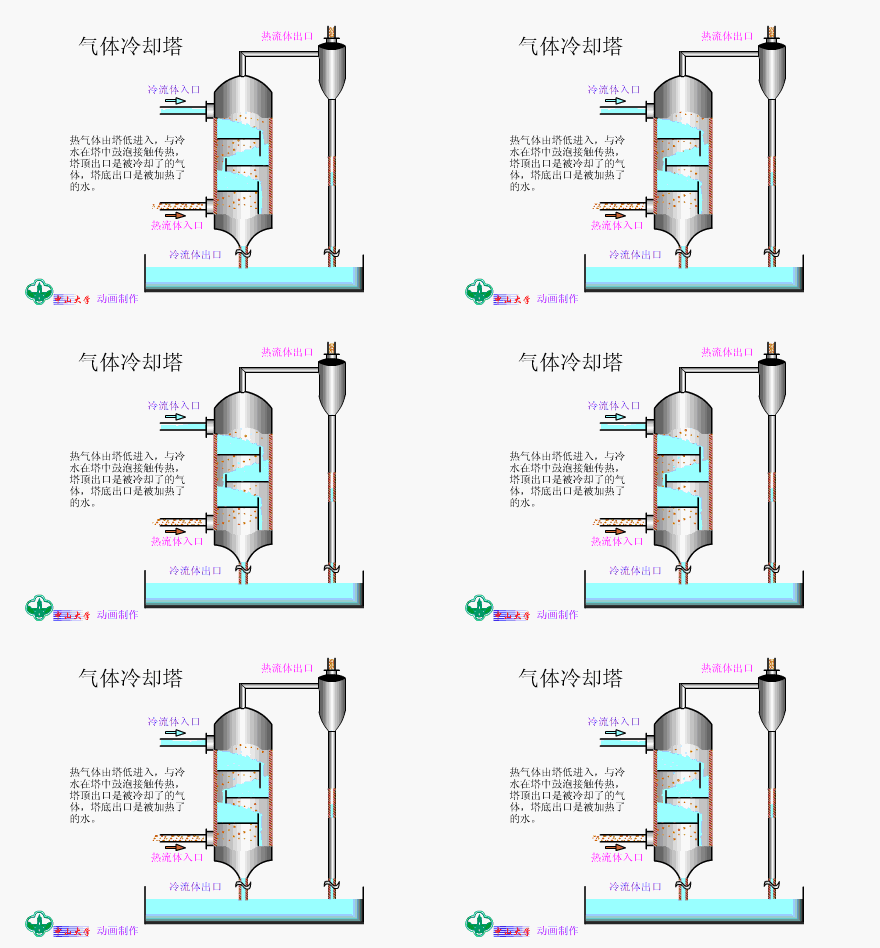
Gas cooling tower
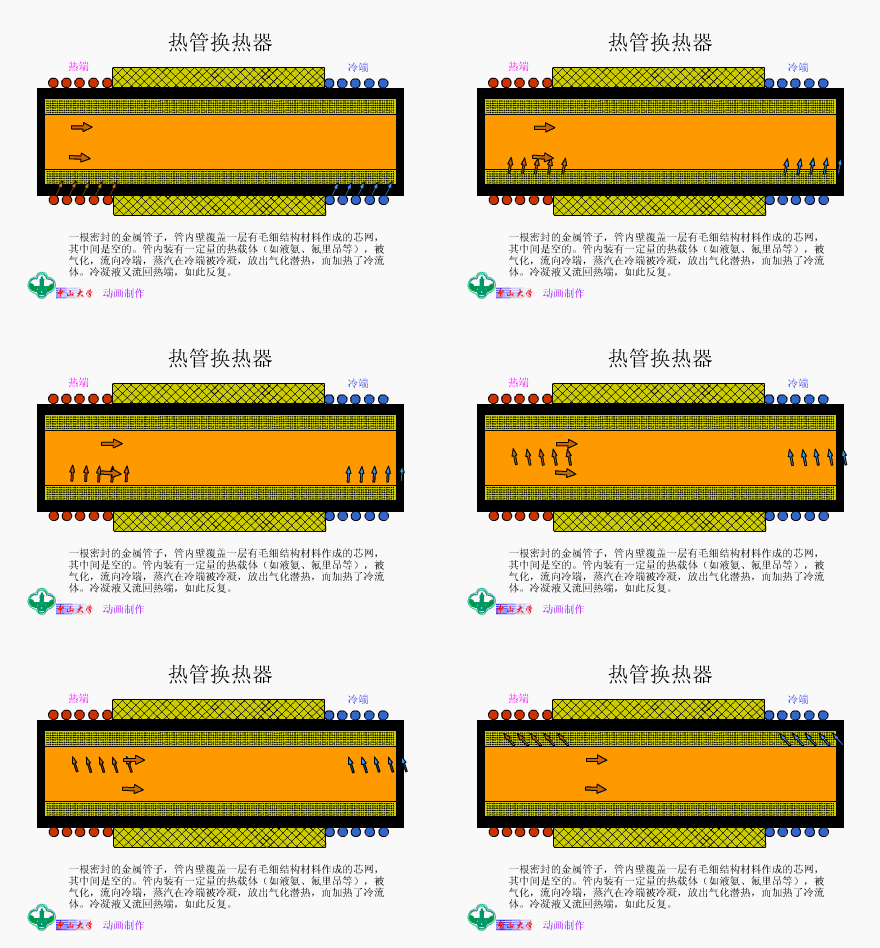
Heat exchanger
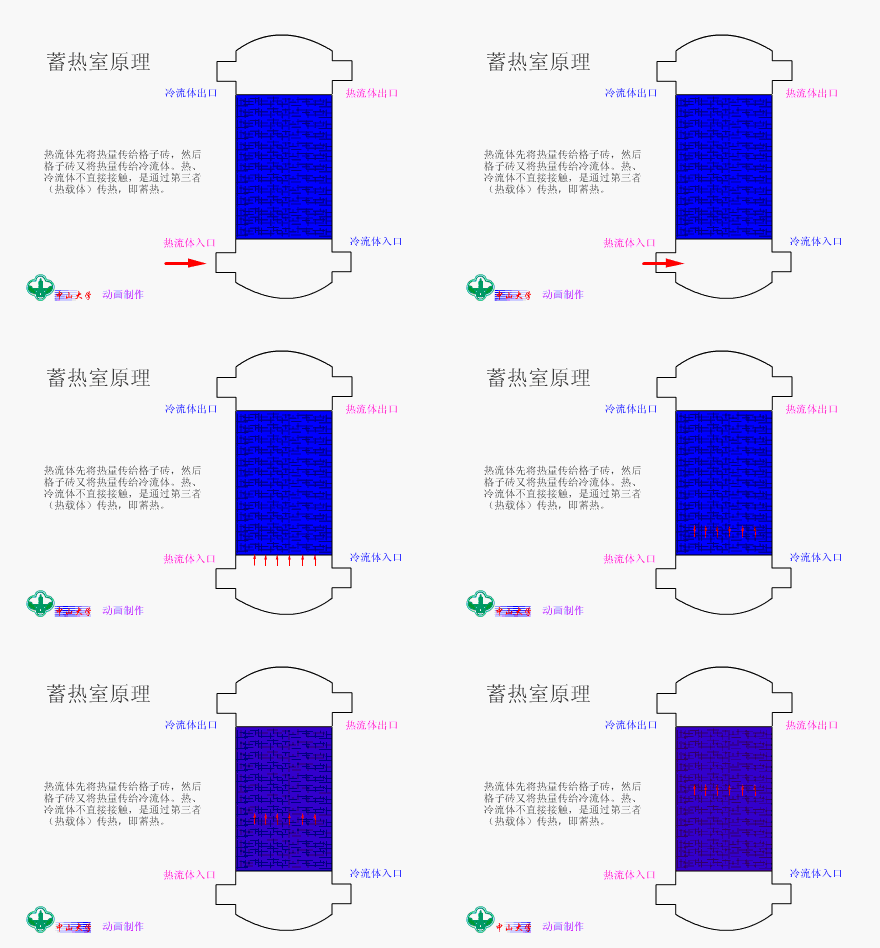
Thermals
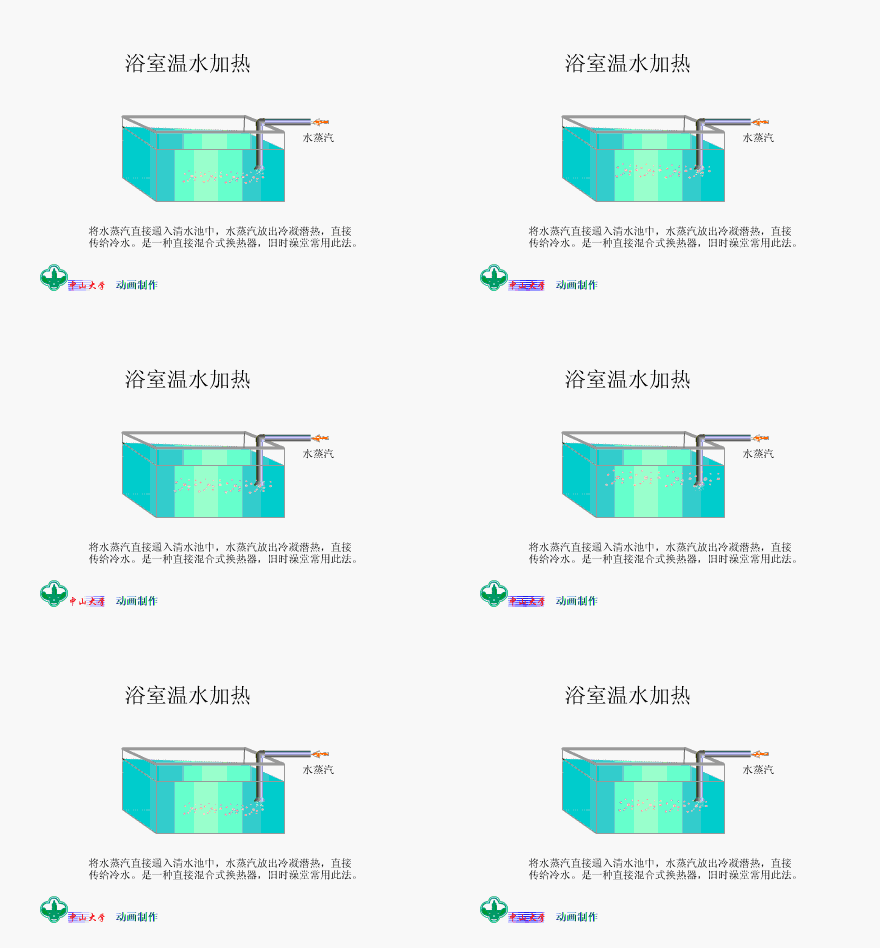
It's hotter in the bathroom
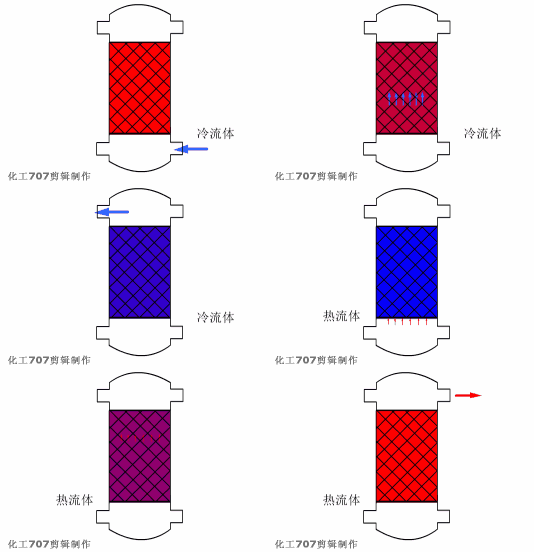
Energy exchangers









