


Friends of the heat exchange design know that heat exchange efficiency is a core indicator. Same oneThe heaterIt's the right tube, it's efficient, it's a step up; it's wrong, it's hard to change the back。
Wing tubeAnd luminous tubes are the two common options in the heat tube. The wings are more expensive, but the heat is more efficient; they are cheaper, but the heat is smaller. Today we talk about the difference in the performance of the two tubes in actual engineering from the point of view of the thermal design engineers。
First, the foliage system is simple
The wing tube is a circle of wings made from the outer or inner surface of the light tube. The aim of this is to increase the area of heat exchange. The same tube length can be three to eight times the heat-replaced area of the wings, depending on the height, spacing and thickness of the wings。
What does an increase in the area of heat exchange mean? It is the same heat-replacement load that reduces the length of the tube, reduces the diameter of the shell and reduces the volume and weight of the entire heat-replacement. This advantage is evident in space-limited settings such as heat exchangers on ships, heat exchange modules on sea platforms。
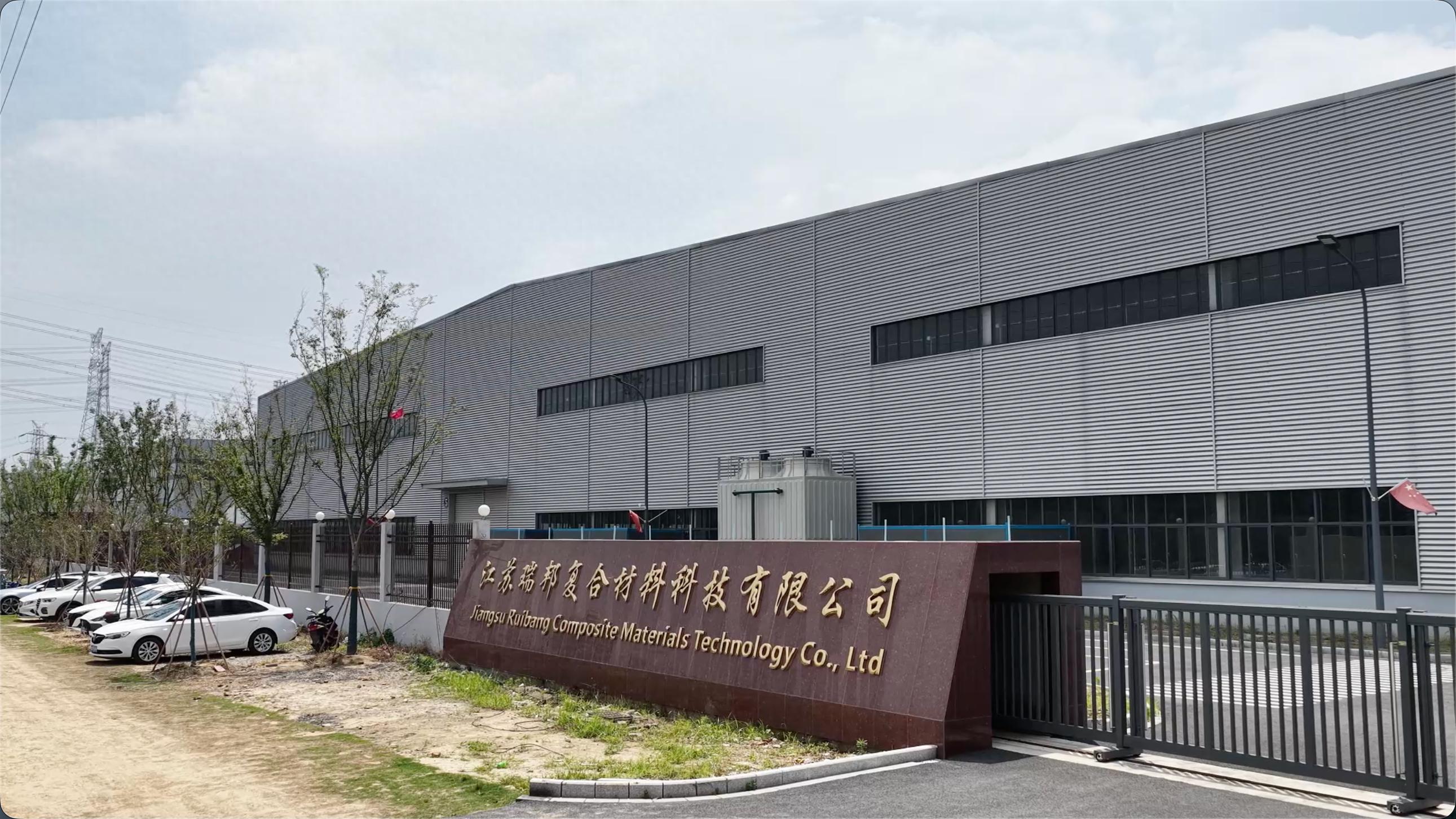
(b) wing-making tubes produced by jiangsu state composite materials technology co. Ltd. Are directly formed wings on the surface of the copper alloy pipe through a rolling process, integrated with the tube, without welding, and without additional heat resistance on the heat route。
Ii. Thermal efficiency comparison of the wings and the light tubes
In terms of heat transfer coefficients, the extra-heating factor for the wings is usually 2-4 times higher than for the pv. This is determined by the geometric structure of the wing tube, which increases the area of heat exchange while destroying the boundary layer near the tube wall and reinforcing the current exchange of heat。
In the actual works, a heat exchanger using a wing tube can save 30-50 per cent of the amount of piped material compared to the photovoltaic programme, subject to the same heat exchange mission. The reduced use of the tube, the corresponding reduction in the diameter of the shell, and the decrease in the weight and cost of the overall equipment。
But the wing tube also has its bounds. If the fluid on the wing side contains particles or is easily decomposed, the gap between the wings may be blocked, resulting in a decrease in heat exchange efficiency. So before choosing whether to use a wing tube or a light tube, it is necessary to assess the level of fluid cleaning。
Iii. Quality is determined by the way the wings are processed
The wings are processed in several ways: rolling, entanglement, welding, squeeze. The quality of the spin-off tubes is relatively stable, as they are derived from the material of the tube itself, the wings and the tube are a whole, and there is no welding or exposure to thermal resistance on the conductor path。
That's how it works. The height, spacing and thickness of the wings can be customised according to heat-replacement conditions, and the consistency of the product is guaranteed under the iatf 16949 quality management system。
Iv. Procurement of the windingsTechnical parametersCheck
If in 2026 you are going to purchase wings for heater designs, several technical parameters require special attention when asking for and receiving:
Flap density (number of wings per inch). The thicker the wings, the larger the heat, the greater the resistance to movement and the ease with which to accumulate ash. The selection is usually based on the level of cleaning of the fluid medium, which can be used with more dense wings, and the dirty medium with less。
Flap height. The higher the wings, the greater the heat, but the efficiency of the wings drops with height. Wift efficiency is the ratio of the actual heat transfer of the wings to the heat transfer assumed to be at the base temperature. If the wings are too high, the temperature at the tip of the wings is already very close to the fluid temperature, and the increased height does not contribute much to the heat exchange。
Whip thickness. The wings are too thin to be damaged and too thick to increase weight and cost. The thickness of the wings is usually between 0. 3 and 0. 8 mm, selected on the basis of corrosiveness and mechanical stress of the condition。
Baseline specifications. The backbone of the wings determines the flow and pressure capacity of the fluid. The wall thickness of the tube requires a calibration based on design pressure and temperature。
V. Selective proposal for thermostat design in 2026
In the thermostat design of 2026, it is proposed to select whether the wing tube or the light tube is based on the following principles:
Regardless of which tube is chosen, the technical capability of the supplier directly affects the final performance of the heat exchanger. Suppliers with iatf 16949 certification and improved testing are more secure in terms of product consistency and batch stability。









