


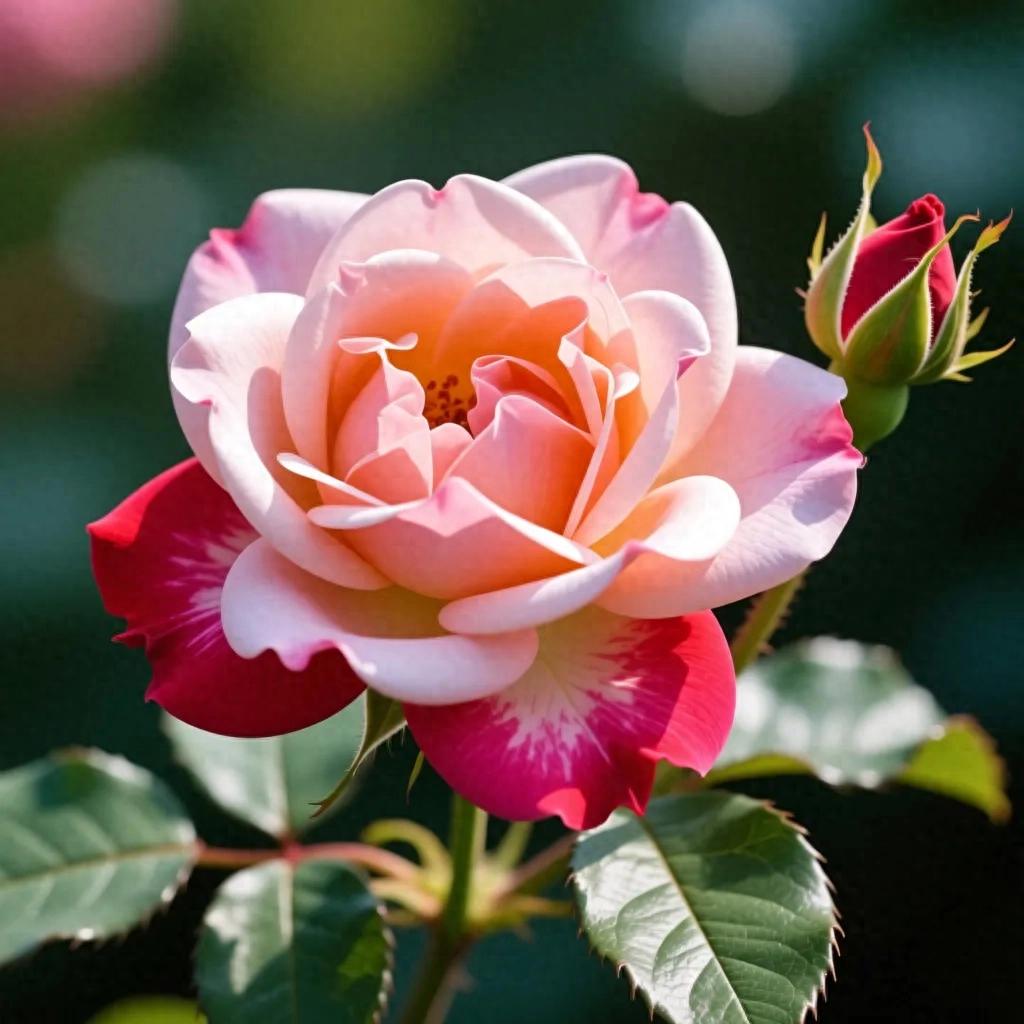
It's hard to say, easy to say. The difference is often not “quick” but whether the method is right. The season is called a “medicine pot” by the florist, but choosing the right species and using the right methods can also be the most generous reward。
Choose the right species, half the success. The easiest mistake for a freshman is to see a pretty picture. There is a wide gap between the disease resistance and the difficulty of conservation between the seasonal varieties, some of which “see you for three days without medication”. The balcony party preferred a variety of micro-moons, such as the “juice balcony” “canary”, which is compact, disease-resistant and fast-growing, and is naturally prepared for the plant. If your home is closed to the balcony, with poor ventilation, priority should be given to disease-resistant varieties, and the large fujimoto and shrub seasons should be left to the courtyard。
Light and ventilation are hard thresholds. The monthly season requires at least four to six hours of direct light per day and better than six hours. The north balconies can be largely abandoned, with embroidery or jade more realistic. Ventilation is also crucial, and closed environments are highly susceptible to red spiders and powder disease. If only indoors, it is important that windows be opened on a regular basis or that fans be considered to support air circulation。
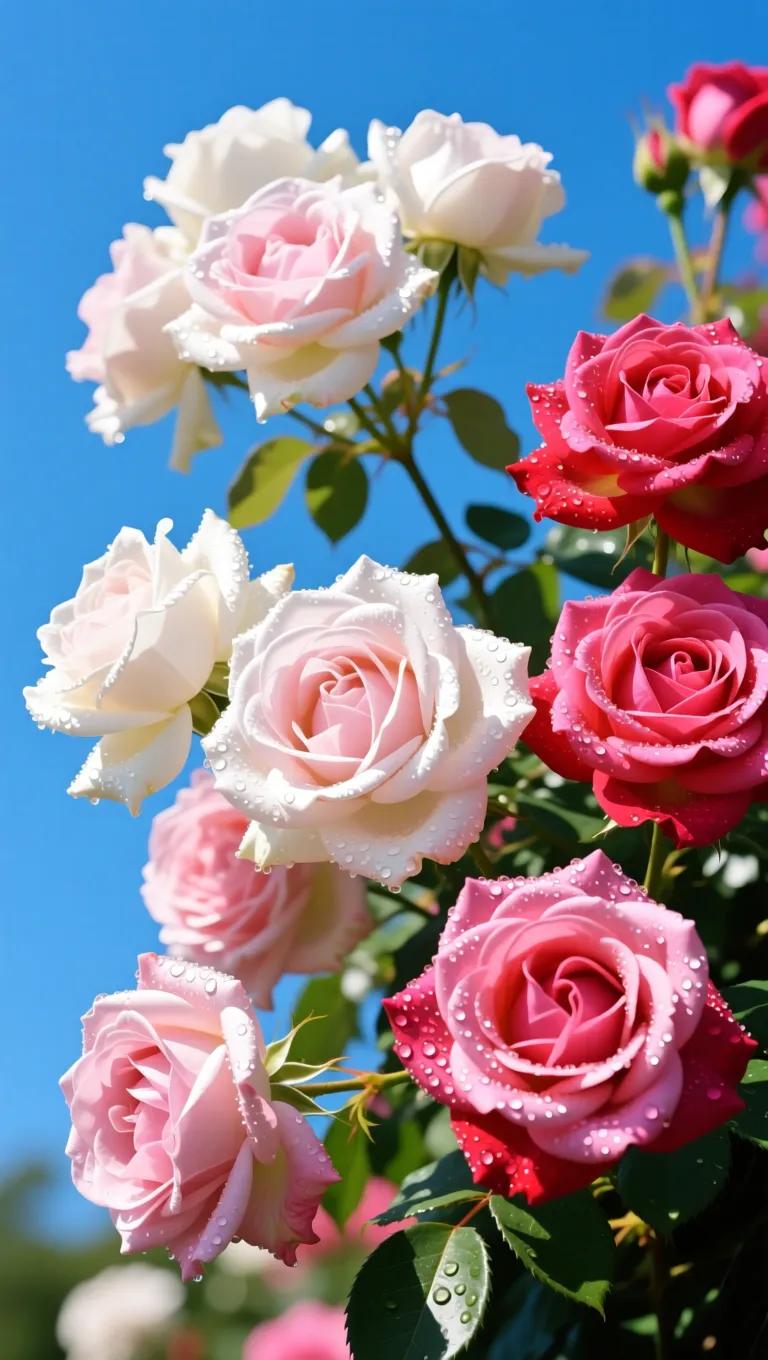
The soil is the foundation. For the seasons to be dry and dry, the soil must be ventilated. The trophic soil purchased by the flower market suggests an additional 20 to 30 per cent of pearl rock or coarse river sand to increase drainage. There must be drainage holes at the bottom of the basin, those good-looking no-pore pellets that can't be drained out of the water, and it's only sooner or later. The size of the basin is just one lap larger than the original earthball, and the size of the tub is equivalent to “beep water”。
The water is “dry and wet”. Put your finger in the dirt two or three centimeters and feel dry and water it. It is the most taboo to pour a little wet surface every day and not drink water at its roots. Watering follows the basin and does not go around the leaves, which are long wet hotbeds of dusty and black spots. In the summer, water is chosen in the morning or in the evening, and when it is hot, it can easily hurt the roots。
Fertilizers remember "nith in long leaves and potassium phosphate in flowers". In the spring period, high nitrogen fattening leaves were used, and the flowering season was replaced by phosphate potassium, which was applied in an incipient manner, with no incentive to burn its roots. The bouquet is followed by the timely application of balanced compound fertilizers and the reserve of nutrients for the next wave。
You have to cut it. They cut the flowers and the upper branches in time for new branches. Day-to-day cutting of disease branches, weak branches, cross-cutting branches and maintenance of internal ventilation. Winter cut before the early springs begin, cutting off a third of the old branches and stimulating new ones。
Pest prevention is more important than treatment. The most common diseases in the season are pollinosis, black spots and pests such as aphids and red spiders. A periodic six-monthly application to prevent fungal disease is carried out with polybice or dyson manganese zinc; small spider webs have been found on the back of the leaf, essentially red spiders, with a focus on leaf back spraying using acaricide such as biphenyl ester. Remember: prevention is bigger than cure, and it's easier to save when it's too late。

The season is a patient exercise. It's not gonna open one more because you're in a good mood today, or just because you forgot to water it. It's just at its own pace, in the balance of light, moisture, nutrients, slowly becoming what it should be。









