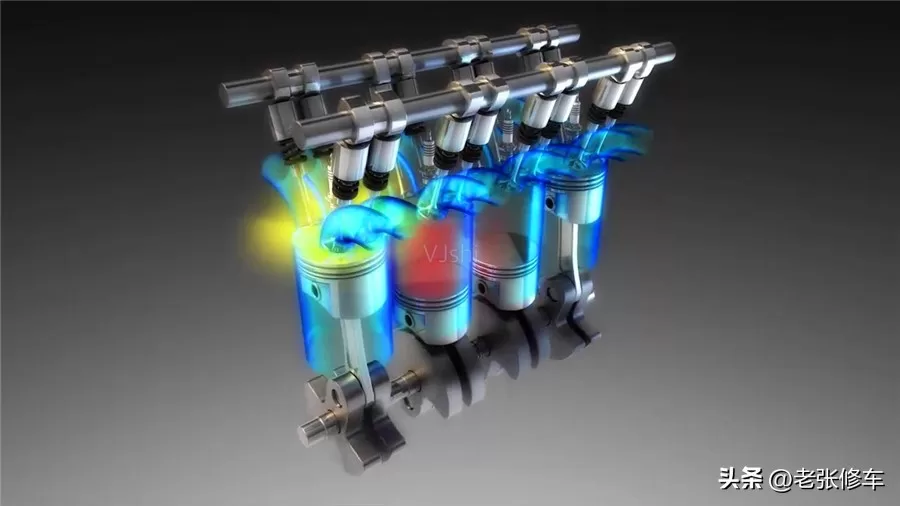
Hello, everyone. Let me brief you today on the carEngineIt works. The motor is the heart of the car, which converts the chemical energy of fuel into mechanical energy and drives the wheel. There are many types of motors, but the most common are internal combustion engines, i. E. Engines that burn fuel in gas cylinders. Internal combustion engines are divided into gasoline and diesel engines, which work in a somewhat different way, but which are followedFour-string cycle, i. E. Four stages of infusion, compression, performance and exhaust。
Gas intake
In the gas intake phase, the gas entry door is open and the piston moves from the top to the bottom, forming negative pressure, inhaling air and gasoline mixed gas (gas) or pure air (diesel). At this time, the combined gas or air pressure in the cylinder is lower than atmospheric pressure and the temperature is lower。
Compression phase
During the compression phase, the entry and exhaust doors are closed and the piston moves upwards from the bottom point to compress the mixture of gas or air in the cylinder to the smallest volume. At this time, the gas mix or air pressure in the cylinder is higher than atmospheric pressure and the temperature rises. Compression ratio refers to the volume ratio before and after compression, the average petrol machine between 8 and 12 and the diesel machine between 16 and 22。
The work phase
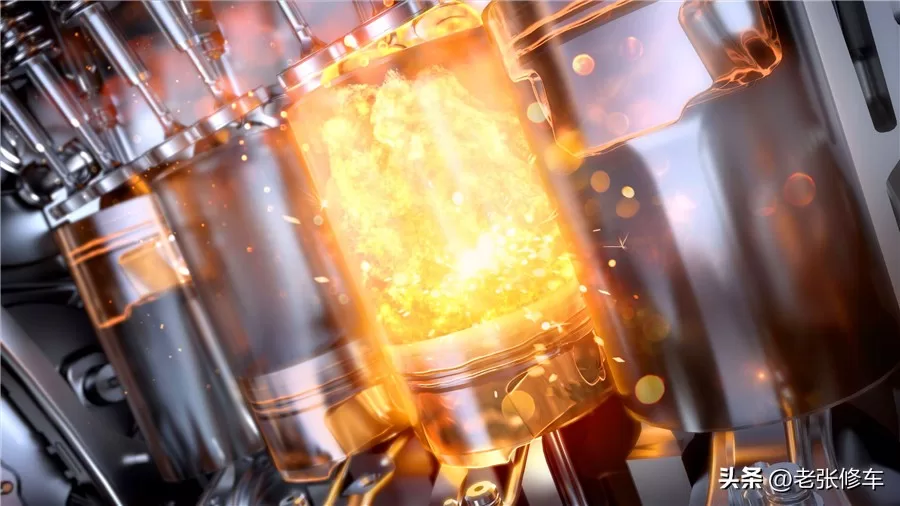
During the performance phase, the gas entry and exhaust doors were closed and the pistons were close to the stop point, spark plugs (oil) or nozzles (diesel) lit or sprayed inside the cylinders. At that time, the mixture of gas or air and diesel mixtures were burned sharply, producing high temperature and high pressure combustion products. These combustion products exert a huge push on the piston, pushing the piston from the top to the bottom. It's the engine process, and it's the engine power。
Emission phase
During the vent phase, the vent door is open, the vent door is closed, the piston moves upwards from the bottom stop and discharges the burning products from the cylinders outside. At that time, the pressure on the combustion products in the cylinder was lower than the atmospheric pressure and the temperature was higher. Emissions of combustion products include hazardous substances such as carbon monoxide, carbon dioxide, nitrogen oxides and sulphur dioxide. To reduce emissions of pollutants, modern cars are equipped with tail gas treatment devices such as catalytic converters。