

What's an instant planting? I'm going to plant my teeth immediately after pulling out
I. Definition of the basic findings of image
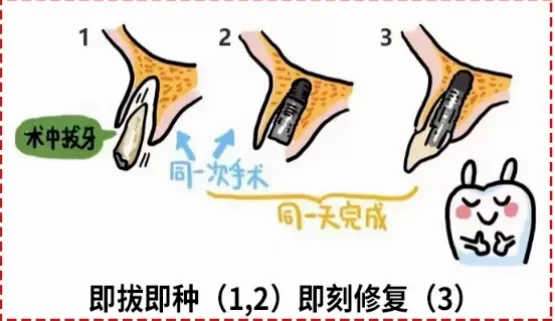
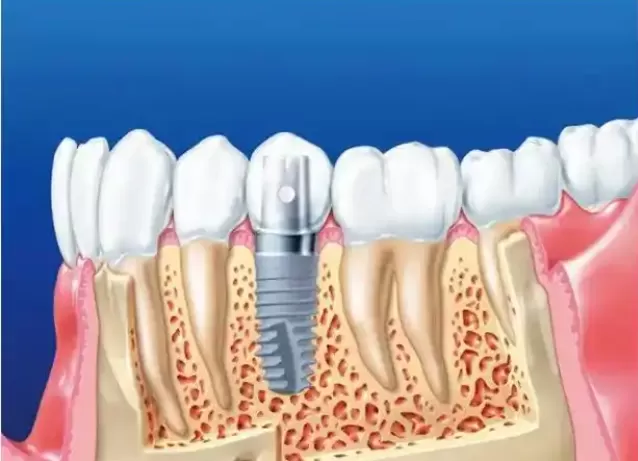
An illustration of the principle of implantation for the same period during which the tooth extraction was immediately planted
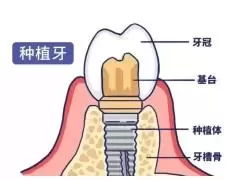
This programme is heard by many people with dental impairments when they consult to grow their teeth. In short, it is also known as the ready-to-exposure planting, which means that, during the same period in which the teeth are removed, the plant is immediately implanted into a fresh-out-of-the-tooth nest, without waiting for the three-to-six-month recovery period, and is a mature micro-start in oral cultivation。
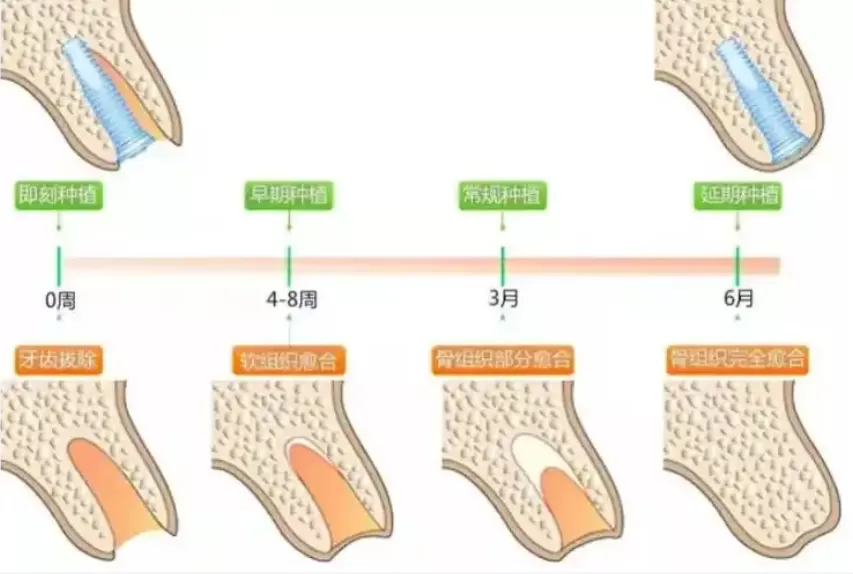
In order to understand the specialization of immediate cultivation, a distinction should first be made between three types of planting time programmes:
(a) plantation immediately: immediately after the removal of the tooth, the same operation completed with the implantation
Early planting: 4-8 weeks after tooth extraction, implanted when soft tissue is healed, bone tissue is not fully healed and suitable for cases with mild inflammation
Postponed (traditional) cultivation: three to six months after tooth extraction and full bone healing of the toothpit before embedding into the plant, a classic planting programme。
The core medical principle of instant planting is the extraction of the natural bone bed structure of the cavity, taking advantage of the blood flow of fresh cavity extraction, while ensuring the initial stability of the plant, and promoting the integration of the plant with the bone tissue (bones integration). For the front-tooth zone, instant planting also allows maximum retention of the cavity of the cavity and the form of the cavity, avoiding the collapse of the cavity and aesthetic defects caused by the absorption of the cavity of the cavity。
It needs to be made clear that planting immediately does not mean that “you can eat at once”. The clinical breakdowns are "early planting + immediate repair" and "early planting + delayed repair": the former had been installed within 48 hours of implantation and had only recovered its beauty and could not be chewed with force; the latter still had to wait for the bone to be combined before they were crowned, but only shortened the waiting period for the extraction of the tooth. The immediate weight (bite immediately after planting) is extremely demanding for bone conditions and implants, only for a small number of cases with excellent bone conditions。
Ii. Adaptive and taboo conditions of immediate cultivation
Diagram of ready-to-plant adaptation and taboos
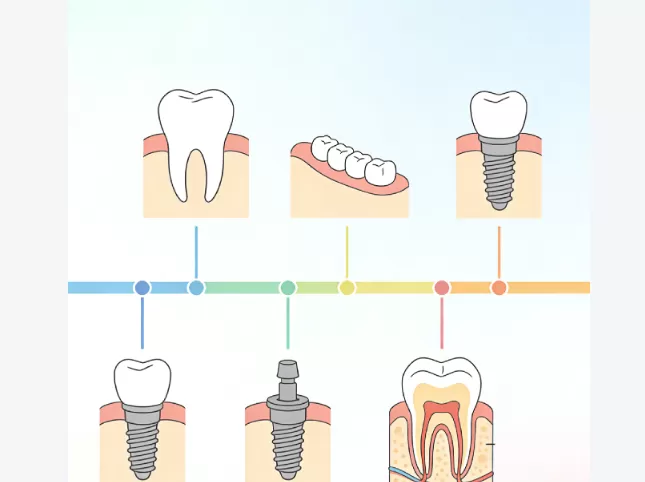
The immediate planting advantage is clear, but it is not for everyone, and it has a strict range of adaptability and is a core criterion for assessing the professionalism of doctors. Blindly expanding adaptive disorders is the primary cause of crop failure。
Core conditions suitable for immediate planting
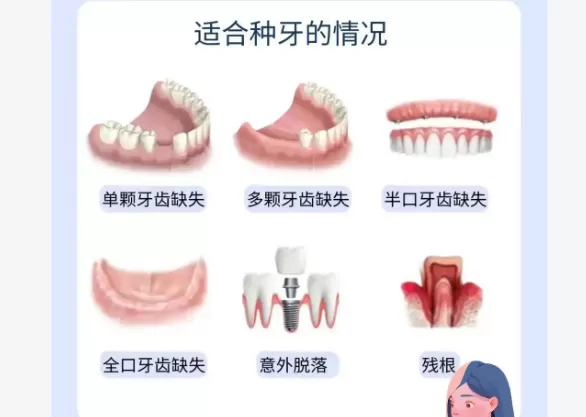
Lack of a single front/front grinding tooth: unretainable teeth due to external injuries, broken teeth, broken teeth, integrity of the bone wall of the larvae, in particular the lip-side plate thickness of 1 mm, and no extensive bone loss, which is an immediate gold adaptation。
(c) zero acute inflammation: no acute inflammation of teeth, no puss and no visible absorption of the trough bone; cases of chronic inflammation that can be controlled may be carried out as appropriate after they have been fully recovered。
Bone abundance, bone density achieved: cultivation area has sufficient bone height and bone width to ensure that the planter receives thallium after implantation the initial stability of 35n. Cm, which is the basis for immediate success in planting。
Tooths are in good condition: they have no visible swelling and growth, they have sufficient soft tissue, they are able to shut down their openings, wrap their implants and reduce the risk of infection。
The whole body is in good condition: uncontrollable diabetes, hypertension, heart disease, osteoporosis etc., no long-term history of bisphate medication and normal blood function。
It's absolutely forbidden to grow immediately
(b) acute sepsis, peptosis and uncontrolled severe dentures
(b) the large area of the broken bone walls and the severe lack of bone capacity to ensure the initial stability of the plant
Severe osteoporosis, osteoporosis, osteoporosis and poor bone binding capacity
Uncontrolled systemic diseases of the whole body, immuno-deficiency, coagulation disorders
Night grindings, severe bites and excessive force combine to cause early plant instability。
Iii. Standardized surgical procedure for immediate planting
Map of standardized surgical processes for immediate planting
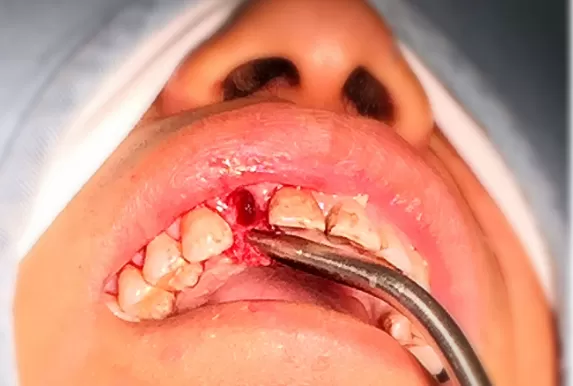
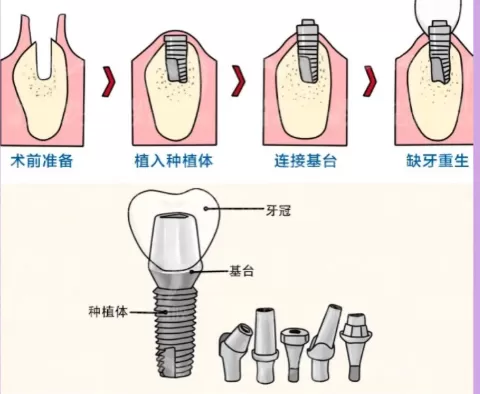
Formal and immediate cultivation follows a rigorous surgical process and is not a “ straight nail to the teeth”, with operating norms at every step to ensure safe surgery and long-term success。
Step 1: comprehensive pre-operative assessment and programme design
Pre-operative cbct (concentrated ct), three-dimensional measurements of bone height, bone width, bone density, assessment of critical anatomical structures such as neighbour teeth, neural tube, upper cavity, etc., and full dental and blood examinations to remove surgical taboos. Based on data, doctors select suitable plant models, implant angles and depths, and develop precision surgery programmes。
Step two: little teeth, bone walls
Use of micro-branding devices, softly removed teeth, maximum preservation of cavity walls and surrounding soft tissue, and avoidance of violent tooth removal leading to fractures and fractures. After the extraction of the teeth, the tissues of lumber, inflammation, repeated rinsing and decontamination of the infection。
Step three: preparation of planting grounds, precision implantation
Following the axis of the extraction of the tooth, the cavity is prepared to grow in stages, with strict control of depth and direction, avoiding the wearing of bone walls on the side of the lips and damage to the teeth of the neighbour. Precise implantation of plant bodies in predefined locations and confirmation of initial stability of the plant is the most critical technical node for immediate planting。
Step 4: bone increment treatment (as required)
If there is a gap between the implant and the extraction of the denture, and if there is a thin plate on the side of the lip, artificial bone powder is filled, covering the biological membrane, i. E., the guiding bone regeneration technique (gbr), guiding the growth of the new bone and securing sufficient bone mass around the plant, especially in the pre-tooth aesthetic region。
Step 5: soft tissue processing and opening-up closure
To adjust the shape of the tooth petals, to close the openings without tension, or to install a healing base. If immediate repairs are made, temporary bases will be installed, temporary tooth crowns will be made and worn, pre-tooth beauty will be restored, and a plastic tooth aluminum will be shaped to provide the basis for the aesthetic effects of the final restoration。
Iv. Core advantages of immediate cultivation
Immediate cultivation versus traditional cultivation advantages and disadvantages figure
Compared to traditional extension, instant planting is a popular programme of tooth-deficient repair, at the core of which are four irreplaceable advantages。
First, a significantly shorter treatment cycle. Traditional cultivation requires a waiting period of three to six months for bone healing, with a full treatment cycle ranging from six months to one year; the immediate planting of tooth extraction and implantation is completed once, saves long waiting periods, reduces overall treatment time by more than 50 per cent, and reduces the number of visits, especially for busy and tooth-deficit social groups。
Second, reduce the intake of the tooth chute and retain the bone mass. When teeth are removed, the cavity of the cavity is lost, irreversible physiology is absorbed, and the front lip is thinner and the absorption is more pronounced, often resulting in late-temporal collapse and poor looks. The immediate planting of implants can replace the root of the teeth to support the cavity, minimize bone absorption, preserve the height and width of the cavity of the cavity, and have a more natural effect of post-rehabilitation。
Thirdly, former dental aesthetics are more effective. The lack of front teeth not only affects chewing but also pronunciation and socialization. Plantation is accompanied by immediate repair and, immediately after the surgery, temporary tooth crowns are worn to avoid the embarrassment of a lack of teeth; at the same time, the crowns can be worn more naturally and with a much higher degree of imitation, with much better aesthetic effects than prolonged cultivation, through the precision of the temporary teeth and the contours of the teeth。
Fourth, one operation, smaller trauma. The withdrawal and planting of teeth is completed once, reducing the trauma of an operation, making the post-operative response lighter and the overall pain less; at the same time, the number of local anesthesia is reduced, the risks and discomfort associated with the operation are reduced and are consistent with the concept of minimal oral treatment。
Objective risks and limitations of immediate cultivation
Mapping of risk factors for immediate cultivation
As a surgical operation, instant planting is not perfect, and there are limitations and potential risks to making a reasonable choice。
First, adaptation is strict and not universal. The demand for immediate cultivation of bone, soft tissue and inflammation control is high, with approximately 30 to 40 per cent of people with dental deficiencies in clinical terms meeting the conditions for immediate planting, and patients with severe bone deficiency, inflammation, and bad teeth are forced to plant immediately, raising the risk of failure significantly。
Secondly, initial stability depends on medical expertise. The immediate planting of the plant is in fresh extraction, the initial stability is much more difficult to control than the extension of the plant, and the accuracy of the doctor's operation, the selection of the plant and the angle of implantation determine the success of the operation. The lack of technology may result in early decomposition of the plant and failure of bone integration。
Third, the aesthetic risks of the ex-tooth zone. Physical absorption may occur on frontal osteoporosis after the immediate planting of the front teeth, and if bone increments are not addressed, the later stage may be characterized by teeth contraction, ploughing of the neck, affecting beauty and requiring aesthetic design and bone treatment techniques from doctors。
Fourth, the risk of post-operative infections is slightly higher. Fresh extraction is a fungic environment, and if it is incomplete and bad oral hygiene, there may be post-operative infections that affect bone integration. As a result, the demand for sterile and post-operative oral care is stricter。
Vi. Aesthetic core of ready-growing - front teeth
Animation of gbr growth technology immediately in front teeth
The front teeth are areas of high demand and the most difficult to grow immediately, and the core is not only strong, but even good. Professional foretooths are grown immediately, with the core being the fine processing of bone and soft tissue。
At the osteoporosis level, the front lip side plate is naturally thinner and is easily absorbed into collapse after extraction. After implantation, the standard operation is to replant the faults between the implant and the bone wall, using the guidance bone regenerative (gbr) technique, re-establish the outer plate thickness of the lip with the bone powder + barrier, guarantee long-term bone stability and avoid late-teeth decay。
At the soft tissue level, the thickness, form and integrity of the toothbrush nipple directly determine the ultimate beauty. Empirical doctors are able to adjust the shape of the tooth petals by retaining the tissues of the tooth through microbrushing, and then gradually shape the toothbrush through the temporary tooth crown, which induces the growth of the toothbone nipples, leading to the aesthetic effects of “nature of the tooth crown, smooth arc flow of the tooth, and no traces of cultivation”。
That is why it is also instantaneous, with wide variations in prices: low-cost programmes tend to be implanted only, without bone increments and soft tissues, short-term seemingly toothy, and long-term exposure to tooth collapse, blackouts and poor beauty。
Vii. Guidelines for post-plant care
Diagram of care for post-denture care
The long-term success of immediate planting depends on surgery in three and care in seven. Post-operative regulation of care is key to avoiding infection and guaranteeing bone integration。
24 hours after surgery
(b) 30 to 40 minutes after the surgery to stop the haemorrhagic ball, without mouthing, without spitting, without tongue licking, to avoid the loss of the clot
2 hours after the operation, they can eat warm and soft food, avoid technical chewing and fast overheated, hard and spicy foods
(b) local ice coating within 24 hours of the operation to reduce swelling and pain; and after 48 hours to heat the swelling, as appropriate, to facilitate its elimination
Antibiotics and painkillers are administered to prevent infection and to alleviate discomfort。
Short-term maintenance (1-3 months after surgery)
(b) after 24 hours of operation, brush their teeth softly, avoid the art areas, maintain oral hygiene, and then wash their mouths with warm water
The temporary tooth crowns, which are immediately repaired, are only for aesthetic use and must never be chewed with them, so as to avoid a relaxation of the receptivity of the plant and affect bone integration
(a) the cessation of smoking and alcohol, which can seriously affect bone unions and significantly increase the failure rate
Regularly reviewed, and regular visits are made one week, one month and three months after the surgery to check for plant healing。
Long-term maintenance
When the crown is finally worn, the chewing resumes gradually, avoiding long-term bites of hard, such as nuts, bones, bottlecaps, etc.
(b) daily oral cleaning, along with dental wires and vortex cleaning around growers to avoid inflammation around them
Semi-annual to annual oral examinations and specialized dental cleaning are performed, plant bodies are regularly maintained and the useful life is extended。
Viii. Common error areas for immediate cultivation clarification
Comparison of common error areas for immediate planting
Zone one: i'm going to plant it right now and i'm going to eat it right after i pull out my teeth。
The vast majority of instant planting is done by immediate repair, temporary teeth are restored to beauty and cannot be chewed with force; the real immediate burden is extremely demanding, with only a few cases of the best boned reartooth being carried out, and the front teeth are hardly recommended for immediate weight。
Zone two: all people can grow immediately, better than traditional cultivation。
There is a high rate of failure in cases of immediate cultivation with strict adaptation, poor bone condition and severe inflammation. Traditional extended cultivation adaptation is more widespread, with more stable success rates, and its own programmes are the best。
Mistake iii: plantation is cheaper than traditional cultivation。
Increased demand for technical, implantation and bone increment materials for immediate cultivation is generally higher than normal extended cultivation, especially in cases of corrosive increments in the former tooth aesthetics。
Zone four: no surgery, no trauma。
The immediate planting is still surgical, requiring the cutting of teeth and the preparation of bone beds, with only a reduction in the waiting period for the extraction of teeth, which is not entirely intact, and a slight swelling and pain after the operation。
Plantation now - full summary
Summary of the core elements of immediate cultivation
In general, instant planting is a sophisticated and efficient dental repair technique for oral cultivation, with core values such as shorter treatment cycles, reduced bone absorption, improved aesthetic effects of pre-dentures and reduced surgical trauma, especially for patients with pre-dentures, well-equipped bones and aesthetic needs。
But it is not a one-size-fits-all programme, with rigorous adaptability, precision surgery, standardized bone and soft tissue treatment, and sound post-operative care, which together determine the long-term success and aesthetic effects of planting. Tooth-impaired persons should not be blindly pursuing “immediately” and should first go to a regular oral institution for a comprehensive examination, where the specialist grower assesses bone conditions and overall condition and chooses the most suitable planting programme for them。
With the development of planting techniques and osteochemical incremental materials, ready-to-plant adaptive disorders are being expanded, along with digital guidance boards, and implantation accuracy and safety continue to increase, becoming the preferred rehabilitation programme for an increasing number of dentally impaired patients。