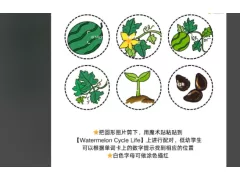
Watermelon cultivation methods and techniques range from seedlings and planting to high-yield management packages
I. Basic knowledge of watermelon cultivation
Watermelon growing environment temperature light map
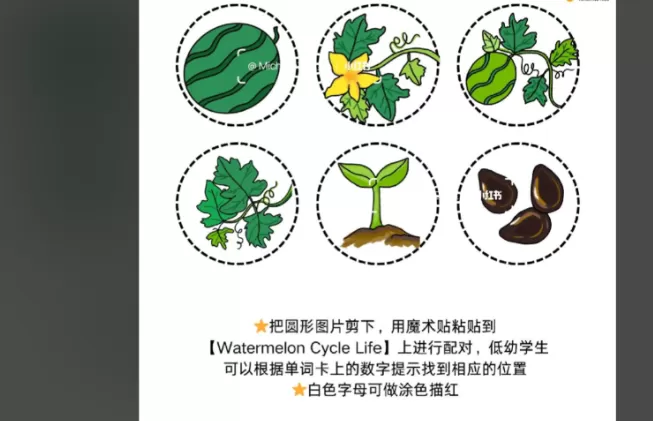
In order to grow high-sweet, large and productive watermelons, it is necessary first to learn the growth habits of the watermelons, all of which are based on their physiological characteristics. Watermelon is a typical cash crop of light, heat, drought-resistant, flood-prone, with strict requirements for temperature, light, soil and moisture throughout its growth cycle。
Watermelons have a suitable growth temperature of 15°c ~ 35°c and a maximum growth temperature of 25°c ~ 30°c; temperatures below 10°c stop growing, temperatures below 5°c are prone to freezing and temperatures above 38°c are prone to falling fruit. Watermelons require strong light throughout their journey, full of strong vines, well-spruced buds, high sugar accumulation, and low light, long fruit differentials and a dim taste。
With regard to soil, watermelon is the most suitable sandy soil for perturbation and drainage, with a deep, high organic content and soil ph values between 5 and 8. Watermelons are extremely afraid to accumulate water, which is more than six hours old in their fields, and therefore low-lying, adhesive soils are not suitable for cultivation. A mastery of basic learning is a prerequisite for the follow-up, seeding, management and enhancement of quality。
Watermelon cultivation methods and techniques - land selection techniques
Standard membrane map for watermelon rise
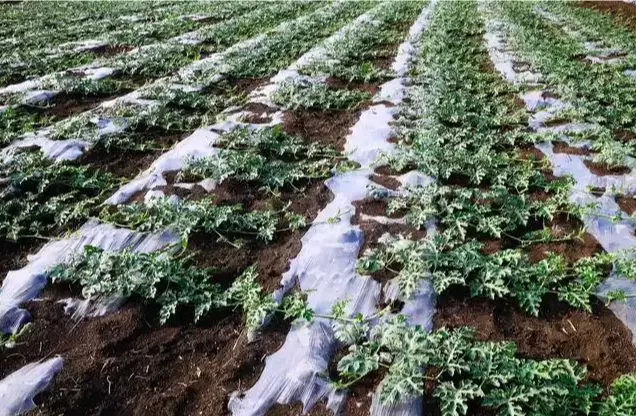
Watermelon is a well-developed, long-lived, fertilized, land-selection and whole-landing that directly determines production and sweetness and is the most easily neglected link of new players。
First, the plot selection. Precedence is given to dry, ventilated, drained and waterless plots to avoid low-lying water fields. At the same time, watermelons are being planted more than three years later, with the same proposal, to effectively prevent aging, cranium and strangulation. It can rotate with rice, corn, vegetables。
Second, deep down. The fields are cultivated 15 to 20 days before planting, at depths of 25 to 30 centimetres, tan, insecticidal, active soil and reduction of endemic diseases。
Thirdly, use bottom fat. Watermelon is a popular crop, with bottom fertilizer accounting for more than 70 per cent of the whole process. Combination of potassium sulphate with small trace amounts of trace element, mainly by consumable farmers. Too much nitro fat to avoid later-life growth and low levels of sweetness。
And fourthly, it's made of gills, rembranding. Watermelon standard cultivation is based on high-strength cultivation, 25 to 30 centimetres tall, narrow layouts that allow for drainage, temperature and root protection. The complete membrane cover, moisture, weeds, temperature increase after completion of the site has significantly increased the rate of seedling and pre-surge。
Watermelon cultivation methods and techniques - selected leachate seedlings
Flowchart of watermelon seed leachate
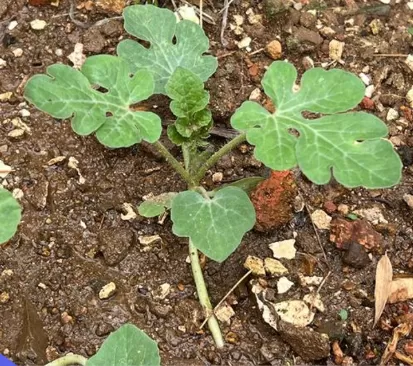
High-quality seedlings are key to high-yielding, and standardized seed treatment can increase the growth rate, the elimination of seed bacteria, the clean-up of seedlings, and the low incidence of disease。
First step, pick the sun. The selection of full, non-destructive and insect-blind seeds, which are dry for a period of one to two days before planting, breaks the sleep of the seeds and enhances their activity。
Step two, warm water disinfected and impregnated. Vaccination is carried out using 55 °c warm water soup impregnation, with a cooling immersion of 6 to 8 hours, and the seed surface mucous membranes are removed; a low concentration of sodium phosphate solution is also used to impregnate for 20 minutes to prevent viral disease. Packet seeds can be immersed directly without disinfection。
Step three, constant temperature sprouts. The leachate completes the dry moisture, wraps the seeds with clean wet cloths, places them at 28 °c ~ 32 °c environment with constant temperature seeding, washes them once a day in warm water, and the seeds are white for about three days, so that the roots are 0. 5 cm long to sow, avoiding excessive breakage。
In the spring, open-air planting is generally practiced from late march to early april, and the sheds are available for seedlings up to february to avoid cold freezing。
Iv. Watermelon cultivation methods and techniques -- scientific seedling methods
Standardized seedling bed map for watermelons
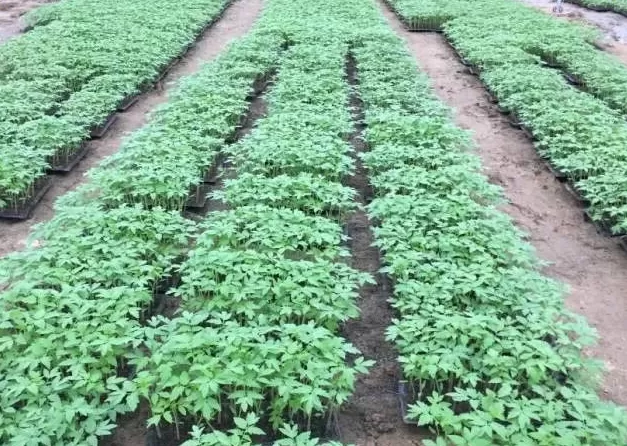
Cultivation in watermelon is divided into seedlings and live broadcasts, with high-scale planting giving priority to seedlings, long-lived, integrated fruit and higher yields。
Priority is given to the use of cadavers for seedlings, which are nutrient-free and insect-free. The pre-sap beds are soaked with subtidal water, with one white seed per hole, approximately 1. 5 centimetres of covered soil, which should not be too thick to prevent suffocation。
The nursery is kept warm and wet until the seedling is produced, with temperature control at 28°c ~ 30°c; suitable ventilation occurs after the seedling is produced, at 22°c ~ 25°c during the day and above 15°c at night to prevent high-foot seedlings and seedlings。
The focus of seedling management is on water control, temperature control, light light, no drying and watering, avoiding wet beds, the timely removal of weak and ill seedlings, ensuring that the seedlings are strong and ready to be replanted at once。
V. Methodology and technology of pursula -- transport technology
Map of the plant site in the watermelon field
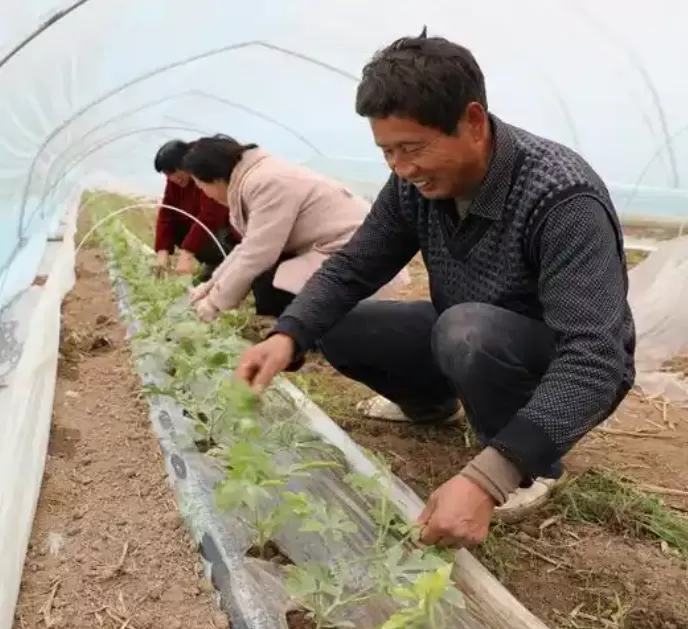
Watermelon planting is timely, reasonably dense and standardized as a key step in stabilizing productive production。
(b) timing: the external temperature is above 15°c and the temperature above 12°c can be transferred to avoid the cold weather。
Set density: based on the variety of species, 700 to 800 watermelons per acre, 500 to 600 medium-sized fruit species per acre, inoculation, over-density, severe ventilation, disease, low seating and low yield。
(b) cultivation norms: the transfer of the earth's seedlings and the reduction of the roots, which are slightly more than 1 to 2 centimetres above the surface, the planting of the soil, and the immediate watering of the roots. Three to five days after planting, the temperature will slow down and promote a rapid return to life。
Watermelon cultivation methods and techniques - long-term whole chicken pressure techniques
Standardized map of the whole watermelon chicken
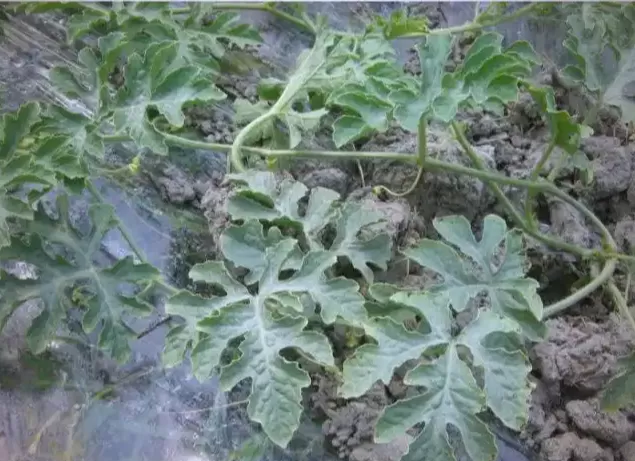
Watermelon vines are extremely strong, and the failure to complete them raises the problem of the frenzy of the vines, their shades are closed, and only the ivy is free of fruit. The whole branch is the core technology for the high yield of the melons。
The dominant approach is the whole chicken branch: the main chicken is preserved with a strong chicken, the rest is removed and the nutrients are concentrated on the outcome branch. The main chicken is responsible for the main fruit, the side chicken is fed, the spare sit fruit。
Vegetables grow up to 40 to 50 centimetres and start to compress the chickens, by holding them down, inhibiting them, promoting their roots and enhancing their absorptive capacity. Roast chickens are selected to take place in the clear weather, so that they do not cause disease in the rain。
Long-term and continuous removal of extra side sprouts, inert branches, weak branches, ensuring ventilation in the fields, reducing nutrient waste and saving nutrients for flowering。
Watermelon cultivation methods and techniques - pollination and retention techniques
Artificial pollination of watermelons, map of their location
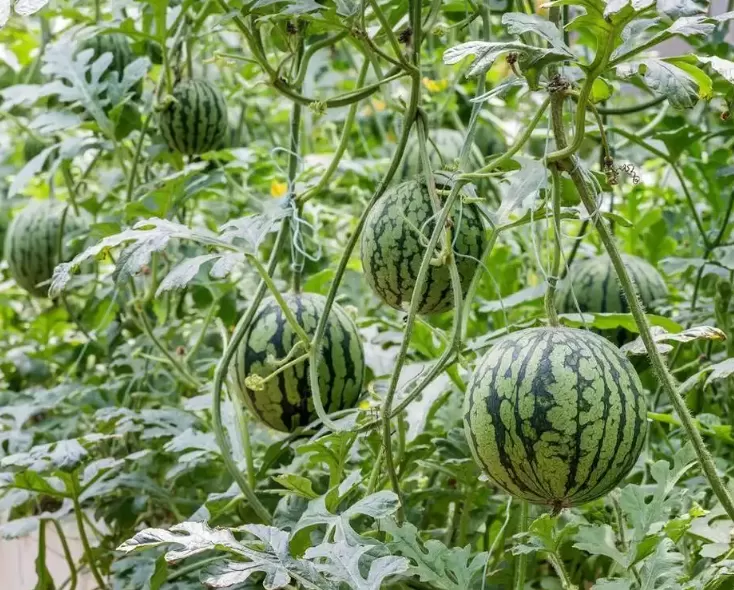
The natural pollination of watermelons is influenced by weather, insects, and is prone to flowers falling fruit, deformities, and high-yielding cultivation requires artificially assisted pollination + scientific leavens。
The best pollination time is from 8 a. M. To 10 a. M. In the middle of the day, when pollen activity is highest. On the same day, the male flower was removed, the petals were removed, the pollen was evenly painted on the female column, and the pollination was equally effective in reducing the abnormal melon。
The remaining melons are key to the enhancement of the proteins: priority is given to the preservation of the second and third female chickens, both of which are of the right size, size, high sweetness and even maturity. The first female sits on a melon too early for melons, malformations, early ripening and decay。
Each large-bearing watermelon contains only one melon, with one or two small-scale fruit types, with all the extra cucumbers, deformities and sick melons removed and concentrated on feeding the melons。
Watermelon cultivation methods and techniques - hydrofertilizer management techniques
Map of the long-term water fertilizer management phase of watermelon production
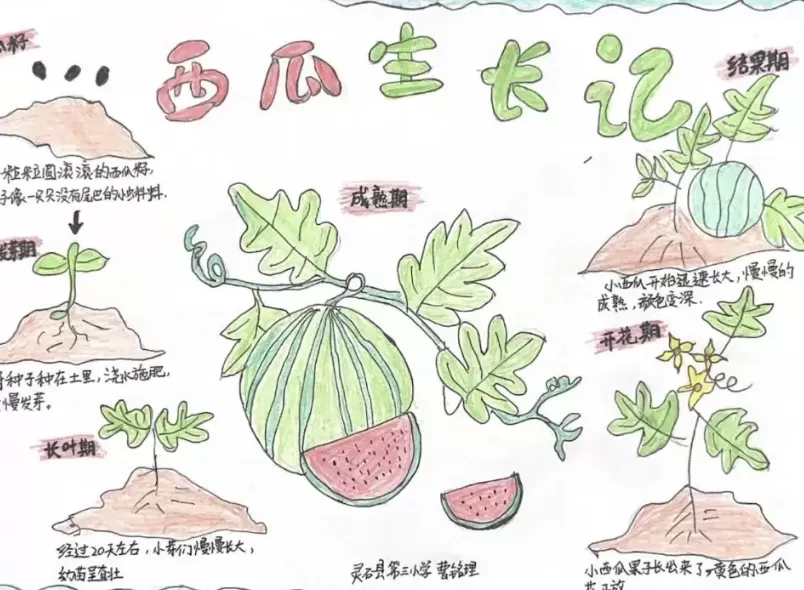
Water fertilizer management in watermelon follows the principles of “front-stage seeding, medium-term control and later expansion”, with different stages of water fertilization programmes。
Shrimp period: less water, less fat, mainly with roots, more water control and less growing。
Cranium escalator: equivalent recharge of water, promotion of the growth of vines and vines, construction of fertilisers, small quantities of potassium nitrogen phosphorus balanced fertilizers, prohibition of excess nitrogen fertilizer。
(c) equation period (most critical): larvae grow to the size of eggs into a period of rapid expansion, with the greatest demand for fattening and water, with a focus on the supplementation of high potassium fattening and tracer elements. Potassium fat determines sweetness and melon weight, and calcium fertilizer prevents cracks, hollows, malformations。
Age: water is stopped 7 to 10 days before the harvest, sugar is controlled and excessive moisture can lead to melons that taste dim, unsweet and fibrosis。
The whole process avoids heavy water flooding, with the use of small water fortuitous purposes, while the water is drained in a timely manner after the rain, and the root of the water in the field is eliminated。
Watermelon cultivation methods and techniques - green pest control
Map of common pest control in watermelon
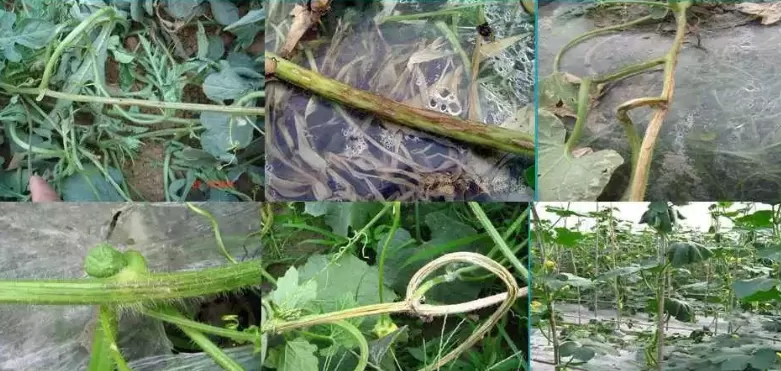
The main diseases of the watermelon are aging, cyanosis, anthrax, powdery, viral diseases; and the main pests are aphids, red spiders, guacamole, and ostrich。
Core principles of cultivation: prevention is greater than treatment. The disease is reduced by rotation, high-water drainage, ventilation and membrane cover。
The focus is on sudden fallout, aphids; cyanosis, powdery; and anthrax and mackerel. In the field, the strains were detected to be removed in a timely manner, sprayed in conjunction with low-toxic pesticide norms, avoiding high-temperature spraying, and strictly observe safety intervals before harvest to ensure the safety of the fruit。
X. Methodologies and techniques for watermelon cultivation - appropriate harvesting techniques
Map of the criteria for the assessment of the mature harvest of watermelons
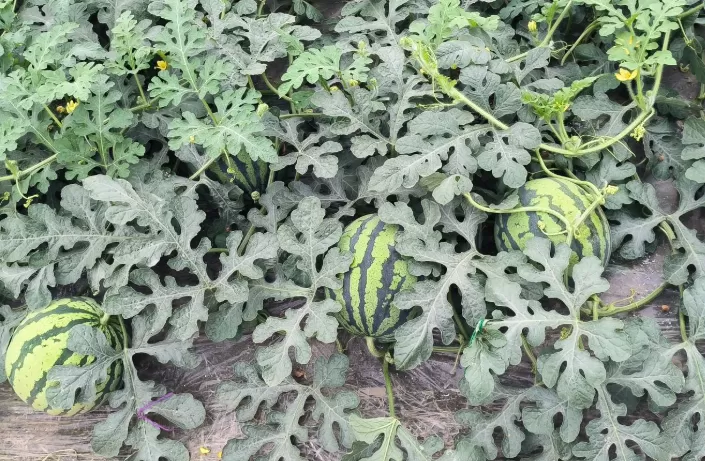
Watermelon harvests are not sufficiently sweet and tasteful, and it is easy to harvest at late hours, empty, penetrating and cracking。
The technique of maturity judgement: maturity is when the parchment is clear, the colour is bright, the handle is thinly yellow, the rolls are dry and the sound of the beat is so heavy。
Clear morning harvests are best in order to avoid high-temperature harvests, light picks, picks with a melon, longer storage and transport periods and higher value for commodities。
Xi. Methodology and technology of powagua -- comprehensive summary
Summary of core techniques for high-yield cultivation of watermelons
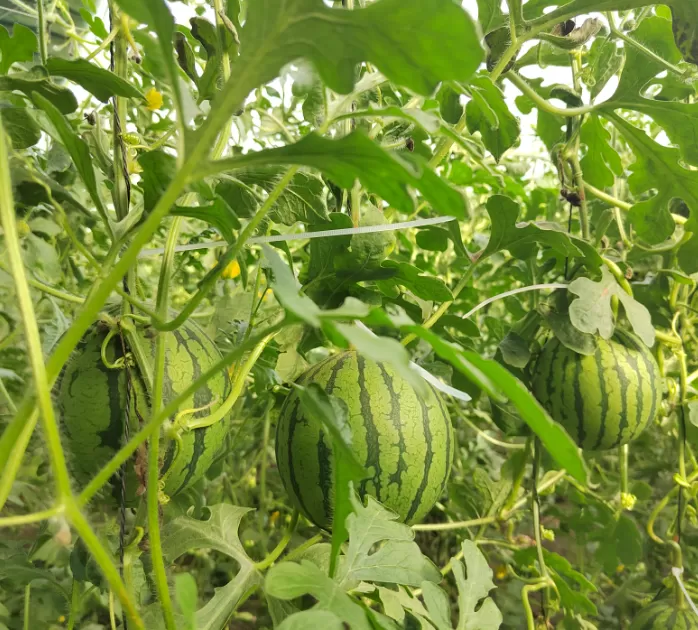
In general, watermelon needs to follow a standardized and gradual set of planting techniques in order to achieve high yields, large and high levels of sweetness: pre-selection, application of bottom fattening, seed sterilization sprouts to ensure proper seed production; medium-term regulation of planting, rational planting, scientific condensation of the whole chicken, control of the length of the animal and the construction of a productive plant; utensils, precision grafts, improved sit-in rates and reduced deformities; scientific water fattening management in the expansion period, sweetening potassium and calcium protection; post-sicking pest prevention, control of sugar and timely harvesting。
A large number of new-hand seeded melons have low yields, not sweets, cracks, and a small number of guacamole, most of which are due to poor whole branches, poor pollination, water fattening and dry roots. The four main cores of flood prevention, flood control, expansion and sweetening, whether open-air or large-scale, are managed in strict accordance with standardized technical processes, leading to high yields, good taste and high commodity rates。