

Technical guide to high-yield tomato quality cultivation process
A long, robust tomato field view, a flat wall fruit, green leaves, high-yield cultivation
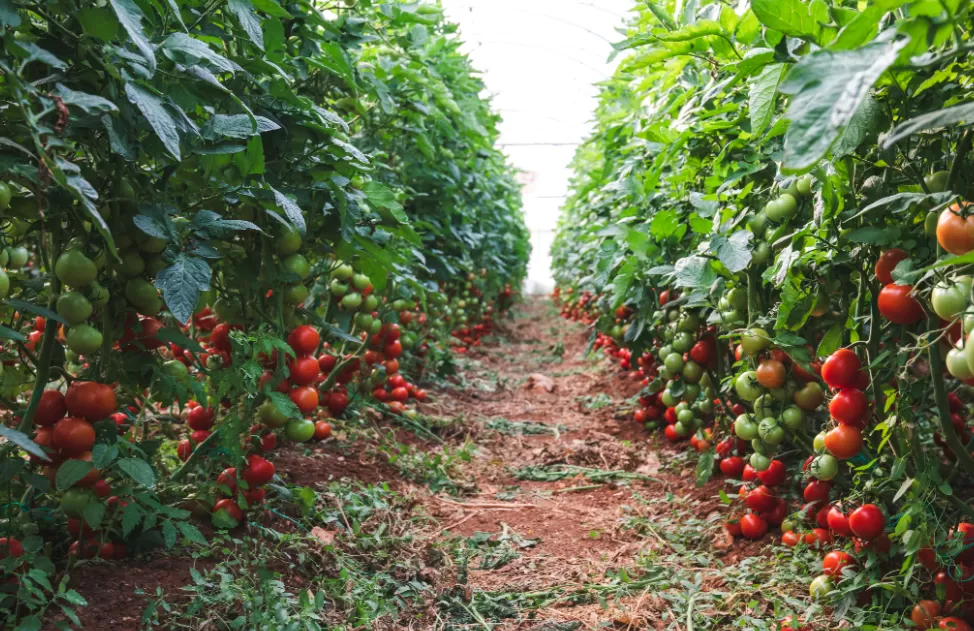
Tomatoes are the most widely grown and economically efficient fruit and eggplant vegetables in the country, with the advantage of open land and large-scale facilities, and stable market demand. However, many growers suffer from weak seedlings, heavy flowers, frequent pests and infestation, and poor quality of production, resulting in a significant loss of earnings. Tomato cultivation is a chained and systematic project, with clear technical standards at every stage, ranging from species selection, seedling, planting management to pest control。
This paper, which is based on tomato growth patterns, is a step-by-step effort to explain the full range of standardized cultivation techniques, taking into account professionalism and integrity, covering the main field and shed planting scenes, and helping growers to achieve stable, high-yielding, high-quality planting goals。
I. Tomato cultivation - selection and mouth-to-mouth planning
(classification of tomato varieties of different types, showing such types as large fruit, cherry tomatoes, hard fruit and applicable scenes)
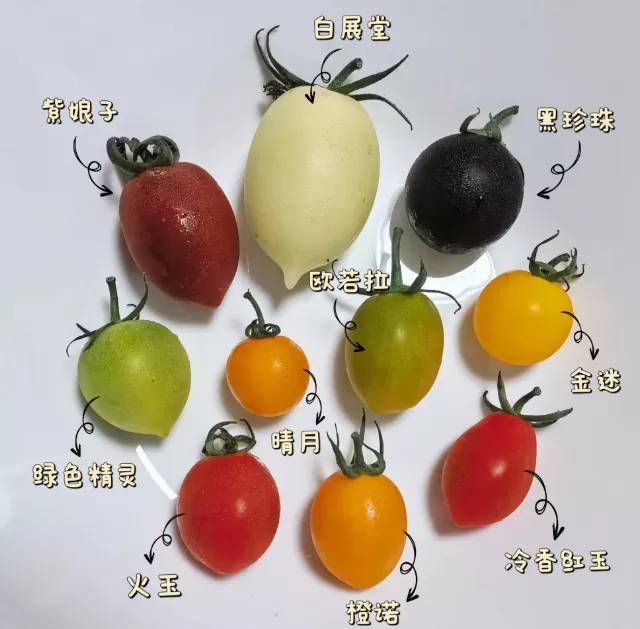
The selection of varieties is the first step towards success in tomato cultivation and needs to be determined in combination with planting patterns, listing times and market demand, and blind and wind-selected species are vulnerable to reduced production and de-sale problems。
The three main categories can be grouped by type of fruit: large fruit hard fruit varieties, fruit-type chords, durable storage, disease-resistant, suitable for export wholesale, facilities long-stamp cultivation, which is the mainstream of base cultivation; cherry tomatoes, high sugar and taste, suitable for picker gardens, high-end merchants, high unit prices and more sophisticated management requirements; and processed special tomatoes, with high levels of fruit and soluble solids, special supply of ketchup processing, requiring order-based cultivation. Premature, medium- and late-cooked varieties can be classified according to maturity, with early-marketing and high-yielding pre-cooking varieties suitable for early pick-up; long-cooking varieties and high total production are suitable for long-season cultivation。
Quest planning needs to match local climatic and facility conditions: the northern field is generally spring-croped, and the last frost-planted, once a year; the southern part can be spring-crunched and fall-lated; and the solar greenhouse can be winterized, with a nursery in august-september, with the highest output but most difficult to manage in june-july of the following year. Core selection principles: priority is given to varieties that are resistant to high local morbidity (e. G., tomato vasectomy, fever, death), which then match commodity properties such as fruit type, hardness, taste, etc., and eventually combine with the wrong peak of maturity to increase crop yields。
Ii. Tomato cultivation - intensive breeding
(breath-breathing landscapes showing a healthy tomato seedling, with standards for the form of a strong seed)
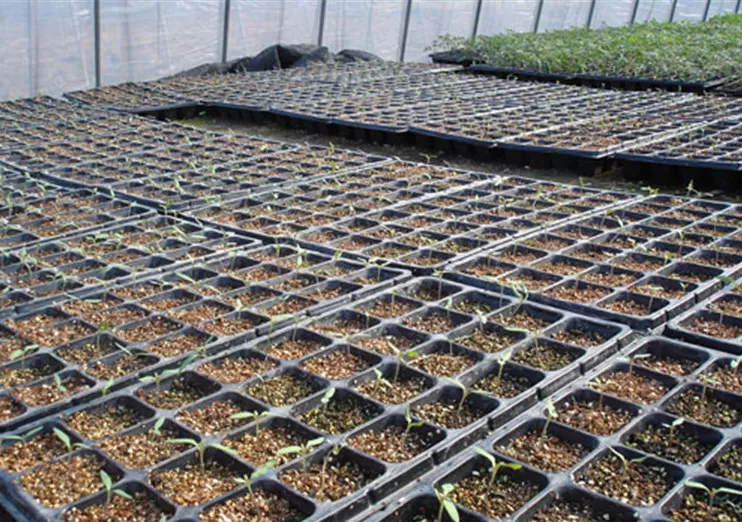
The core of the high production of tomatoes is in the early stages of seeding, which not only produces high rates of survival and slow growth, but also increases production in the early stages of flowering. The current mainstream uses 72 or 50 holes of lacuna-based seedlings, which are less ill, less rootless and less slow than traditional ones。
The first step in seed treatment is to increase activity by tanning for 1-2 days, then inoculation with hot soup, 15 minutes of immersion with warm water of 55°c, 6-8 hours of continuous immersion after natural cooling, seeding at 25-28°c after leaching, 60% of the seed can sow. Depending on the local conditions, a corresponding agent may be selected for planting in order to prevent sudden fallout and degeneration。
Second stage seeding and seeding management: filling of specially designed seedling matrices, watering of the bottom water, sowing of one seed per den, covering 0. 8-1 cm thick matrix and humidizing of the membrane. The temperature is maintained at 25-30°c during the day, 18-20°c at night, and the film is removed at the time of the seeding, with the appropriate temperature reduction for the anti-violator, 22-25°c during the day and 12-15°c at night. Water is not controlled by fattening during periods of seeding, the matrix is dry and wet to avoid large water rooting, and thin leaves can be sprayed to supplement nutrients。
(b) sapling standards: 15-20 cm tall, thicker than 0. 4 cm, 4-6 saps, thick green leaves, well-developed roots, disease-free pests, 30-40 days of age (slightly long early spring and short summer autumn). Gradual ventilation of seedlings seven days before planting to increase the resilience of seedlings and ensure rapid slow seedlings after planting。
Iii. Tomato cultivation - consolidation
(together rises to map the plant, indicating height, spacing, range and membrane cover)
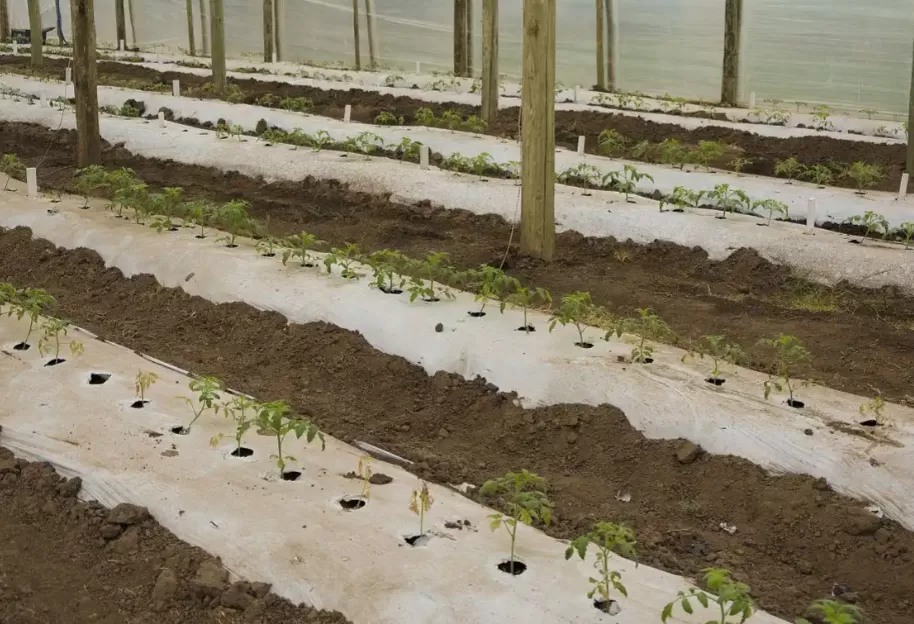
Tomato root is highly developed but is afraid of flooding, and a good soil environment is a prerequisite for robust growth, with the consolidation of the plant chain having a direct impact on the medium- and long-term growth and resilience to disease。
Land selection requirements: ph 6. 0-7. 0 is appropriate to give priority to deep, loose and fertile, easily drained or sandy soil, avoiding coitus with eggplant crops, and more than three years of rotation, which can effectively mitigate endemic diseases. Fertilizers were applied 15-20 days before planting, with fully decomposed organic fertilizers ranging from 3,000 to 5,000 kg per acre, with balanced composite fertilizers of 40-50 kg, calcium perphosphate of 50 kg, and a suitable quantity of zinc-deficit plots to supplement zinc and boron fertilizer. Fertilizers are soaked with 30 cm deep, dredged with 15 - 20 cm high, 70 - 80 cm long and 40 - 50 cm small, covered with a black membrane, which protects, suppresses and dehumidifies。
The selection is done in the morning, with a 30-40cm range of 2,000-2800 holes per acre, adjusted to the size of the variety and the whole branch: pre-maturized varieties, single-dry whole branches, late-defined varieties, and dry whole branches, as appropriate. The depths of planting should be flattened to the raisins and the raisins, so that the seedlings can plant and so that the roots of the tubers can grow. After planting, the root water is injected, which combines root agents with virulence, promoting root causes and preventing root diseases and reducing the period of slow growth。
Tomato production - long-term precision management
♪ tomato whole sting, chicken cranberry ♪
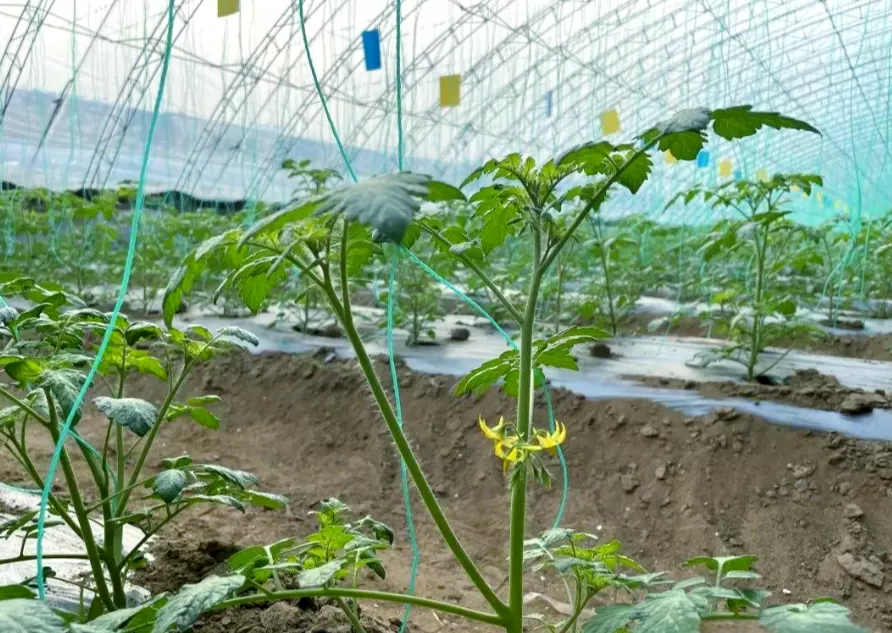
The long-term management of tomato production is divided into three phases: slow-growing, flowering and fruiting. The core is organized around hydrofertilizers, plant adjustment, preservation fruit, and ointment。
The period is mainly for root promotion, and three to five days after planting, the water is then controlled and the seedlings are controlled, the roots are promoted and the leaves are prevented. Until the first walnut sits down and walnuts are in full-time hours, the cucumber ends and normal management of water fertilizers begins。
Fertilizer management is based on the principle of “pre-control, back-to-back, small number of times”. Less nitrogen fertilisation before the fruit sits in order to avoid growing flowers; the first estuarine swelling period begins with fatting, with each acre being flushed with high potassium water soluble at 10-15 kg, followed by one chump per acre, increasing the amount of potassium fertilizer during the fertilizer period, with calcium fertilizer, bovine leaf spraying, preventing umbilical decomposition and fibration. Water is used to optimize sub-mural drip irrigation, to avoid heavy flooding, and to maintain a balanced soil wetness, which can easily trigger fissures。
Plantation adjustment is a key technology for high tomato production. Facility cultivation is common in the form of casserole farming, with open-field frames. The mainstream uses a single branch, retaining only the main branch, and all side branches are removed when they grow to 5-7 cm, reducing nutrient consumption. Selection takes place in the morning of the sun, and the wound heals quickly to reduce the infection. On the basis of the effects of the bite, it is common to leave four to six ears each and two to three leaves above the last of the head. In the event that the flowering period is cold, hot and easy to fall fruit, a safe-sitting agent can be used to plant or spray, and concentrations can be strictly controlled to avoid aberrations. In time, the fruit is cut, four to six homogenous fruit types are left in each ear, decomposed of deformity, pathological and small fruit, concentrated nutrients and increased commodity fruit rates。
Tomato cultivation - green pest control
(comparison map of common tomatoes and pests, left-side diseases, right-hand pests, indicative symptoms)
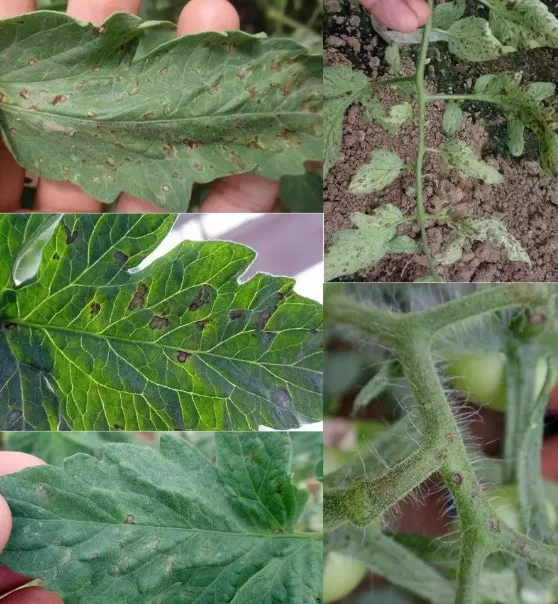
The variety of tomato pests and the concentration of high-prevalence periods in high-temperature, high-humid seasons can lead to a significant reduction or even crop failure due to poor control. Control insists on “preventive and integrated management”, giving priority to agricultural, physical and biological control, scientific co-ordination with chemical control, and reduction of pesticide residues。
Among the common diseases, night disease is devastating, low temperature, high humidity and prone to outbreaks, leaves are immersed in water with dark green spots, fruit is growing brown spots, which can be treated interchangeably with pharmaceutical agents such as cascading, frostilate acid, etc.; early disease leaves are wheeled brown spots, which are initially controlled by disemboweled zinc, ether acetal acetate; asymptomosis is harmful to flowers, fruit, leaves, high humidity, timely removal of flowers, spraying with fungs, fungus and fungi; assaying diseases, as well as abdominal diseases, which are corroded by rotation, seeding, soil disinfection prevention, and root treatment at the onset of the disease。
The common pests are aphids, white ticks, cotton bells and leaf flies. Aphids and white lice can be used in a cedar-traped physical method, in conjunction with aphids and aphids spray; cotton bell-eating fruit is extremely harmful and can be used for the release of bees during flowering, or for the spraying of chlorobemide during larvae incubation; and a leaf fly is protected with tectoplasm + avicus。
Medicinal precautions: strict compliance with safety intervals and the alternation of the use of different action machines to avoid drug resistance; the best use of antiquated and evening sprays to avoid high noon temperatures; and the focus on the application of leaf blades on the back of the blade, and on the fruit tablets to ensure control effects。
Vi. Tomato production - harvest time
(together grade captures a picture showing different maturity fruits and classification criteria)
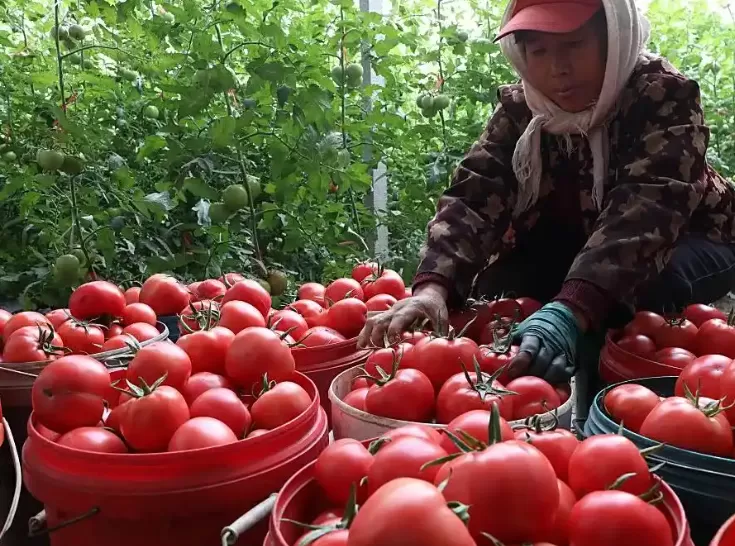
The timing of the tomato harvest directly affects the quality of the commodity, the storage time, and the maturity of the harvest is determined on the basis of sales distance and use。
The best sense of taste is that near-fruit sales can be collected between the chromosomal and maturity periods, with more than 80 per cent coloured fruit; long-distance shipments are required to be collected between the green ripening period and the chromosomal period, and the fruit is hard to store and the shelf is long; processing tomatoes are required to be collected during the chronology period, with the highest soluble solids content。
The pick-up is followed by dry-drying, light-picking, preservation of fruit lumbers and avoidance of mechanical damage. After harvest, the disease, deformation and fibrosis are removed and packaged in order of size and colour, increasing the commodity premium. The harvest period is two to three days to harvest mature fruit in time to avoid collapse and to contribute to the continued expansion of the upper fruit。
Cleans the fields in time after the fall, clears the leaves of the branches, concentrates on harmless treatment, reduces the residues of pathogen in the fields and lays the foundation for the planting of the ground。
Tomato cultivation - full summary
There are no shortcuts to tomato cultivation, and the core is to adapt to growth patterns and to position the technical standards at each link. It ranges from the selection of species to the cultivation of strong seedlings, to the production of long-term water fertilizers and the green control of pests and diseases, and to the grade of harvest at the appropriate time, each step is rounded up。
Growers can adapt their cultivation programmes flexibly to their own facilities, local markets, and adhere to standardized management, so that they can achieve a steady high production of tomatoes while improving the quality of their fruits and, ultimately, securing a steady yield on cultivation。