


Introduction:
Pcb(print cituit board, printed)Circuit board) is an integral part of an electronic device that carries electronic components and connects them through a conductor to perform circuit functions. This paper will describe in detail the entire process of creating the pcb circuit board, includingDesignI don't knowManufacturingAndTestAnd so on。
1. Design phase
A circuit design is required prior to the production of the pcb circuit board. Designer uses professional eddaNick design automation, electronic design) software, such as altium designer, eagle, etc., to map circuit principles and pcb layouts. During the design process, consideration will need to be given to such factors as the functional needs of the circuit, the selection of components and their layout, and the transmission path of the signal。
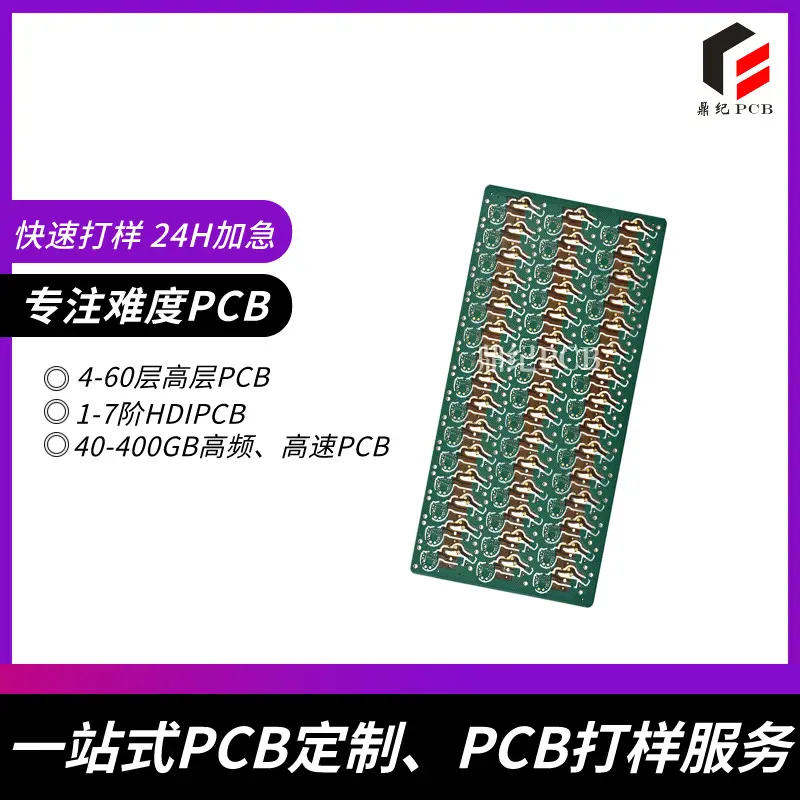
2. Manufacturing phase
Once the design is completed, it will be possible to enter the manufacturing phase. The process of manufacturing pcb circuit boards typically involves the following steps:
- production of photopainting documents: conversion of the planned pcb layout to photopainting documents for subsequent manufacturing processes。
- production of conductive graphics: transfer of conductive graphics to copper plates using optical techniques. First, the light-painted file is printed on transparent film, and then the film is exposed with copper coated with light-sensitive material. When exposed, the parts that are not luminous are dissolved by a micro-synthetic solution, leaving a conductive graphic。
- correlation: the exposed copper plate is placed in the etching fluid, which dissolves the copper portion that is not protected by the light-sensitive material and forms a conductive graphic。
- drilling: in accordance with the design requirements, drills are made on the pcb plate for the installation of electronic components and electrical connections。
- copper plating: copper plating on pcb plates to increase conductivity and prevent oxidation。
- weldproof layer: weldproof layer on pcb board to protect conductive graphics from welding。
3. Test phase
When the production is completed, the pcb circuit board will need to be tested to ensure its functionality. The test process usually includes the following steps:
- visual inspection: check the appearance of the pcb board, e. G., whether the conductive graphics are clear or not, or whether the hole is correct。
- electrical testing: electrical testing of pcb plates using test instruments to check the conformity of electrical circuit connectivity and resistance parameters to design requirements。
- functional tests: installation of electronic components on pcb plates and performance of functional tests to verify the normal functioning of circuits。
Conclusions
The production of pcb circuit boards is a complex and fine process that requires multiple steps, such as design, construction and testing. Through sound design and manufacturing processes, the quality and performance of pcb circuit boards can be ensured to meet the needs of electronic equipment。
The production of pcb circuit boards is a key step in the electronic manufacturing process. The pcb (print conventional board, printed circuit board) is the physical platform for supporting and electrically connected electronic components in electronic products. The following is an article on the production of the pcb circuit board:









